
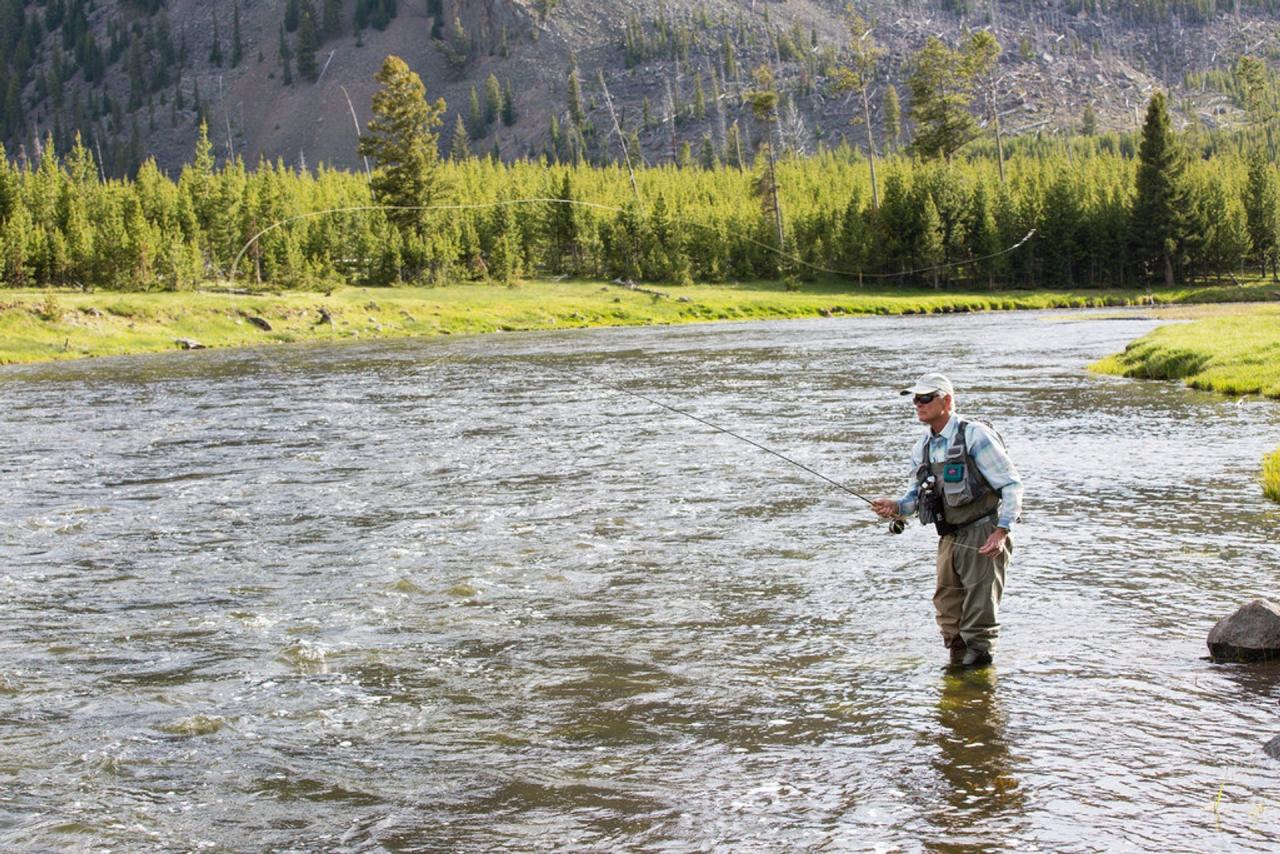
The Essentials: Yellowstone Fishing Permits in 2024
First things first, let’s talk licenses. Unlike your typical state fishing license, Yellowstone National Park requires its own specific fishing permit. This system allows the park to directly manage its aquatic resources and fund conservation efforts. Here’s what you need to know for the 2024 season:
- All anglers 16 years and older must possess a valid Yellowstone National Park fishing permit.
- State fishing licenses are not valid within the park boundaries.
- Permits are available in three durations:
- 3-day permit: $45 (increased from $40 in 2023 to support expanded conservation efforts)
- 7-day permit: $60
- Season permit: $80
These permits can be purchased at any ranger station, visitor center, or Yellowstone Park General Store. For the tech-savvy angler, permits are also available online through Recreation.gov. The slight increase in permit fees directly supports crucial research on climate change impacts and native fish conservation.
Expanded Access: Year-Round Fishing Opportunities and Their Ecological Impact
In response to changing fish migration patterns due to warming waters, Yellowstone has maintained its expanded access to allow for year-round fishing in two prime locations:
- Madison River: From the Wyoming/Montana state line downstream to the park boundary near the West Entrance.
- Gardner River: From Osprey Falls downstream to the confluence with the Yellowstone River near the North Entrance.
This expansion offers a unique opportunity to experience these legendary waters during the off-season. However, it’s important to understand the causal relationship between extended fishing seasons and fish populations. Park biologists have implemented strict monitoring programs to ensure that year-round fishing doesn’t negatively impact spawning cycles or overall fish health.
Conservation at the Core: Understanding Yellowstone’s Fishing Philosophy in the Face of Climate Change
Yellowstone’s fishing regulations are not just a set of arbitrary rules; they’re a carefully crafted strategy aimed at preserving the park’s delicate ecosystem in an era of rapid environmental change. As responsible anglers, it’s crucial that we understand and respect these guidelines, recognizing our role in a larger ecological narrative.
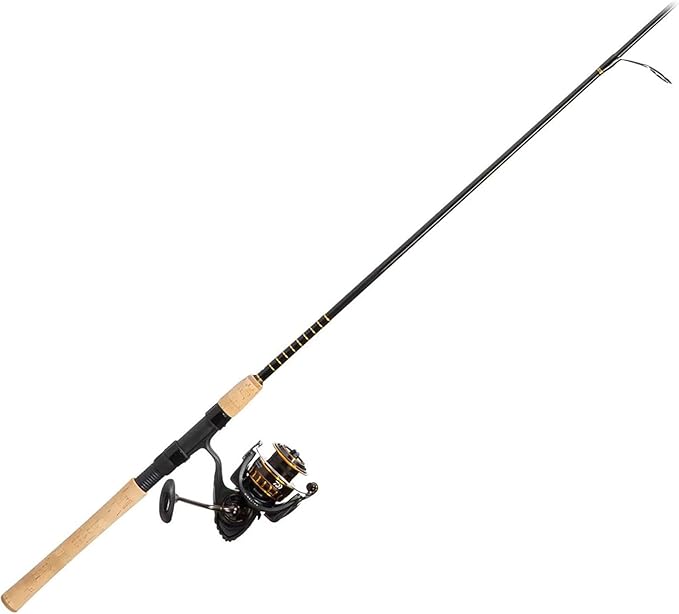
Daiwa BG Spinning Combo
Native Species Protection: A Race Against Time
The park’s regulations strongly support native fish conservation goals, which have become increasingly urgent due to climate change. Cutthroat trout, the park’s sole native trout species, along with Arctic grayling and mountain whitefish, play a vital role in Yellowstone’s ecology. These species are facing new challenges as water temperatures rise and habitats shift.
Recent studies have shown that cutthroat trout populations in some areas of the park have declined by up to 30% over the past decade due to warming waters and competition from nonnative species. By following the park’s regulations and participating in catch-and-release programs for native species, anglers are directly contributing to conservation efforts.
Nonnative Species Management: Balancing Act in a Changing Ecosystem
Introduced species like brook, brown, lake, and rainbow trout have had a significant impact on native fish populations. In certain areas of the park, anglers are encouraged (and sometimes required) to harvest nonnative fish. This selective removal helps maintain the balance of the ecosystem without damaging the native fishery.
The Economic Ripple Effect: Fishing’s Impact on Yellowstone’s Communities
While conservation is paramount, it’s important to recognize the economic impact of fishing on the communities surrounding Yellowstone. A 2023 economic study revealed that fishing-related tourism contributes over $70 million annually to gateway communities.
Tom Jenkins, owner of West Yellowstone Fly Shop, shares, “The park’s commitment to maintaining healthy fish populations doesn’t just benefit the ecosystem; it’s the lifeblood of our community. Anglers from around the world come here for the unique experience Yellowstone offers, and that translates into jobs and economic stability for our town.”
Insider Tips for the Savvy Yellowstone Angler in 2024
Now that we’ve covered the regulatory basics and their wider implications, let’s get into some tried-and-true tips that will elevate your Yellowstone fishing experience from good to great, while also contributing to conservation efforts.
The park now provides daily updates on water conditions and fish activity through their mobile app, allowing anglers to make informed decisions about when and where to fish.
2. Explore Lesser-Known Waters: Reducing Pressure on Popular Spots
While the Yellowstone River and Slough Creek remain legendary, increased angling pressure has led to concerns about fish stress in these areas. Consider exploring some of the park’s hidden gems. The Lamar River continues to offer excellent dry fly fishing for native cutthroats during the summer months. Additionally, the park has recently opened select sections of smaller streams previously closed to fishing, providing new opportunities for adventurous anglers.
3. Master the Art of Stealth: More Important Than Ever
In Yellowstone’s crystal-clear waters, stealth is key, especially as fish become more wary due to increased fishing pressure. Wear muted colors, approach the water carefully, and consider using longer leaders (12-15 feet) with light tippets (5X-6X) to avoid spooking trout. New “invisible” fluorocarbon leaders have shown promising results in field tests conducted by park researchers.
4. Embrace the Terrestrial Season: Adapting to New Patterns
Climate change has altered insect hatching patterns, but the terrestrial season remains a highlight. From early July through September, don’t leave home without a good selection of ant, beetle, and grasshopper patterns. The Lamar Valley, in particular, continues to offer spectacular hopper fishing during this time. However, be aware that these patterns may shift earlier or later in the season as temperatures change.
5. Be Bear Aware: Increased Encounters in Changing Habitats
As climate change affects plant life and fish populations, bear movements have become less predictable. Always carry bear spray and know how to use it. Make noise when moving through areas with limited visibility, and never fish alone if possible. The park now offers a bear safety course specifically for anglers, which is highly recommended.
6. Participate in Citizen Science: Contributing to Conservation
Yellowstone has launched a new citizen science program for anglers. By downloading the park’s fishing app, you can report your catches, helping researchers track fish populations and movements. This data is crucial for informing future conservation strategies.