
The Basics: Who Needs a Fishing License?
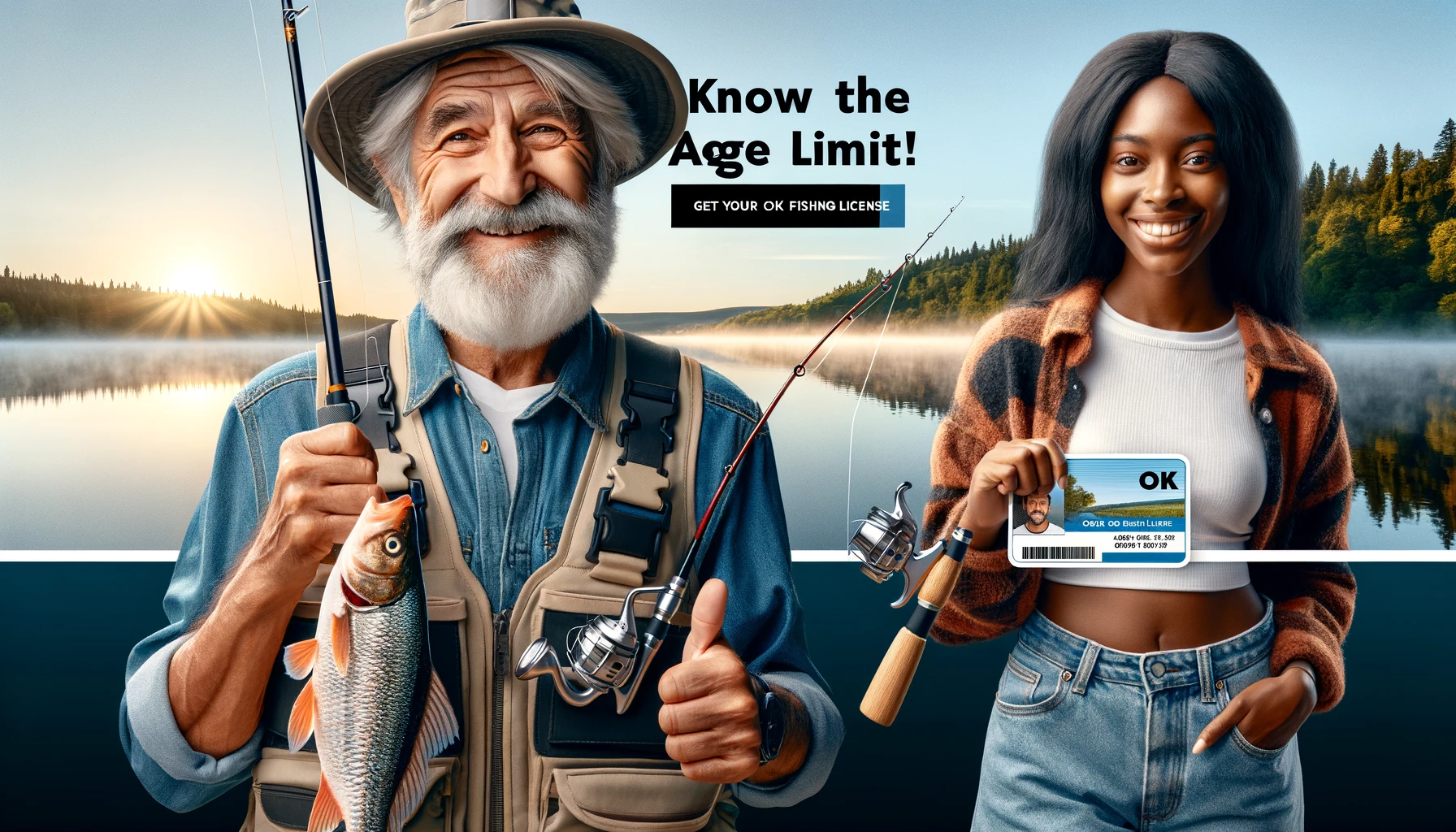
In most states, anyone over the age of 16 needs a fishing license to fish in public waters. However, like fish in a stream, there are exceptions to this rule:
- Age Exemptions: Many states offer free or reduced-cost licenses for seniors and youth. For example, in Texas, residents 65 and older can purchase a discounted "Senior Fishing Package." In Michigan, residents 65 or older can buy an annual fishing license for just $11, compared to the standard $26 fee.
- Private Property: If you're fishing on private property, you may not need a license, but always check local regulations. In some states, like Pennsylvania, you still need a license even when fishing on private land.
- Free Fishing Days: Most states offer several days each year when anyone can fish without a license. In California, for instance, there are two Free Fishing Days annually, typically on the first Saturday in July and the first Saturday in September.
- Military Personnel: Many states offer special considerations for active duty military and veterans. For example, Florida offers a free annual fishing license to resident disabled veterans.
Remember, just because you’re exempt from needing a license doesn’t mean you’re exempt from other fishing regulations. Always check size and bag limits, as well as seasonal restrictions.
Types of Fishing Licenses: Choosing the Right One
Like selecting the perfect lure for your target species, choosing the right fishing license requires some consideration. Let’s break down the various types of licenses available:
Resident vs. Non-Resident Licenses
Most states offer different licenses for residents and non-residents. The definition of residency can vary, so always check local regulations. Here’s a comparison of annual fishing license costs in several states for 2024:
| State | Resident | Non-Resident |
|---|---|---|
| Florida | $17 (freshwater) | $47 (freshwater) |
| California | $54.00 | $145.80 |
| New York | $25 | $50 |
| Texas | $30 | $58 |
| Alaska | $20 | $100 |
Duration Options
States typically offer a variety of license durations to suit different needs:
- Annual Licenses: The most cost-effective for frequent anglers. In some states, like Minnesota, you can purchase a three-year license at a discounted rate.
- Short-Term Licenses: Perfect for vacations or weekend trips. These can range from 1-day to 14-day options. For example, Colorado offers 1-day, 5-day, and annual fishing licenses.
- Lifetime Licenses: A significant upfront cost, but can save money in the long run for dedicated anglers. In Texas, a lifetime fishing license costs $1,000 for residents, which can be a great value for younger anglers.
Freshwater vs. Saltwater Licenses
Many coastal states require separate licenses for freshwater and saltwater fishing. For instance:
- In North Carolina, you need a Coastal Recreational Fishing License to fish in coastal waters, in addition to the standard inland fishing license.
- Florida offers separate freshwater and saltwater licenses, as well as a combination license that covers both.
- In contrast, California's standard fishing license covers both fresh and saltwater fishing.
Specialty Licenses
Some states offer specialized licenses for specific types of fishing:
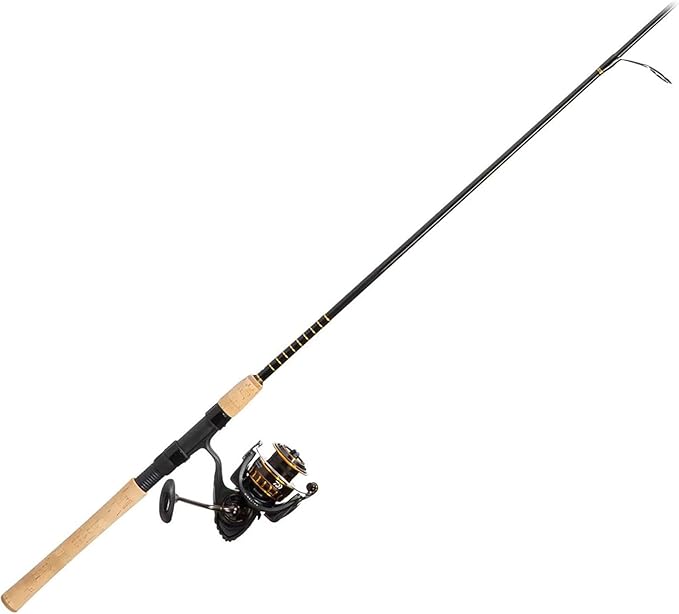
Daiwa BG Spinning Combo
- Fly Fishing Only: Some areas, particularly in trout streams, may require a special fly fishing license.
- Catch-and-Release: Certain waters may have catch-and-release only regulations, sometimes with specific license requirements.
- Bow Fishing: States like Texas and Florida offer specific licenses for bow fishing.
- Spearfishing: In Hawaii, spearfishing in certain areas requires a special license.
The Cost of Fishing Licenses: More Than Just a Fee
The price of fishing licenses varies widely across the country, but it’s important to understand where your money goes. In most cases, the revenue from fishing licenses directly supports conservation efforts and fisheries management.
For example:
- In 2023, the Texas Parks and Wildlife Department reported that fishing license sales contributed over $60 million to conservation efforts.
- The U.S. Fish and Wildlife Service's Wildlife and Sport Fish Restoration program, funded in part by fishing license fees, has provided over $20 billion in conservation funding since its inception.
Here’s a typical breakdown of how fishing license fees are allocated:
- 50-60%: Fisheries management and research
- 15-20%: Habitat restoration and improvement
- 10-15%: Fish stocking programs
- 5-10%: Education and outreach programs
- 5-10%: Law enforcement and regulation
Success stories of conservation projects funded by license fees include:
- The restoration of lake sturgeon populations in the Great Lakes region
- The reintroduction of native cutthroat trout in Colorado's high mountain lakes
- The creation of artificial reefs off the coast of Florida to improve marine habitats
When you purchase a license, you’re not just buying permission to fish – you’re investing in the future of our aquatic ecosystems.
Purchasing Your License: Easier Than Ever
Gone are the days when you had to trek to the local bait shop to get your license. Most states now offer multiple convenient options:
- Online: Nearly all states allow you to purchase licenses through their fish and wildlife department websites. For example, the California Department of Fish and Wildlife offers a user-friendly online system where you can purchase and print your license instantly.
- Mobile Apps: Many states have developed apps that allow you to purchase and store your license digitally. For example:
- The Go Outdoors Texas app lets you buy and display your license right on your smartphone.
- Michigan's DNR Hunt | Fish app provides a digital wallet for licenses and permits.
- The New York Fishing, Hunting & Wildlife App offers license purchases and regulation information.
- Retail Locations: For those who prefer in-person transactions, licenses are still available at many sporting goods stores, bait shops, and even some convenience stores. In Wisconsin, for instance, you can purchase a license at any of the 1,000+ sales locations across the state.
- By Phone: Some states offer phone-based purchasing systems for those who prefer not to use online methods. In Florida, you can call 888-FISH-FLORIDA to purchase your license over the phone.
Pro Tip: Always carry your license with you when fishing. Many states now accept digital versions, but it’s a good idea to have a physical copy as backup. Some anglers laminate their paper licenses or keep them in waterproof containers for added protection.
Multi-State Fishing: Navigating Different Waters
For anglers who like to cast their lines across state borders, understanding reciprocal agreements and multi-state licenses is crucial:
Border Waters Agreements
Many states have agreements that allow fishing on border waters with a license from either state. Here are some examples:
- The Colorado River between Arizona and California can be fished with a license from either state.
- The Mississippi River can be fished by licensed anglers from any state it borders, as long as they fish from a boat or on their own state's shore.
- Lake Tahoe, which straddles California and Nevada, can be fished with a license from either state.
Regional Licenses
In some areas, you can purchase licenses that cover multiple states:
- The Tri-State License allows fishing in parts of Indiana, Kentucky, and Illinois.
- The Columbia River Basin Endorsement permits fishing in shared waters between Oregon and Washington.
Interstate Wildlife Violator Compact
It’s worth noting that most states participate in the Interstate Wildlife Violator Compact. This means that if you have your fishing privileges revoked in one member state, they’re likely revoked in all member states.
Always check the specific regulations for the waters you plan to fish, as they can vary even within a single state. Some states offer helpful resources for out-of-state anglers. For example, the Minnesota Department of Natural Resources provides a comprehensive guide for non-resident anglers on their website.
Conservation Stamps and Add-Ons
Many states offer additional stamps or permits for specific species or fishing methods:
- Trout Stamps: Required in many states for trout fishing in designated waters. In Pennsylvania, for instance, you need a trout stamp to fish in stocked trout waters or Class A wild trout streams.
- Salmon/Steelhead Tags: Common in Pacific Northwest states. In Oregon, anglers need a Combined Angling Tag to fish for salmon, steelhead, sturgeon, and halibut.
- Saltwater Angler Registry: Required in some coastal states, often in addition to a regular fishing license. The National Saltwater Angler Registry is a federal requirement, but many states have agreements to cover their anglers.
- Invasive Species Permits: Some states require special permits for fishing in waters with invasive species. In Minnesota, for example, you need an Aquatic Invasive Species Decal on your boat.
Commercial Fishing Licenses
For those interested in commercial fishing:
- Commercial licenses are typically much more expensive and have stricter requirements than recreational licenses.
- Many states require proof of residency, U.S. citizenship, and sometimes even a background check for commercial licenses.
- Some states, like Alaska, have limited entry programs for commercial fishing to manage fish populations sustainably.
Charter and Guide Services
When fishing with a charter service or guide:
- In most cases, you still need your own fishing license. However, some states offer short-term licenses specifically for charter fishing.
- Some states offer special charter boat licenses that cover all anglers on board, but this is not universal. In Florida, for example, charter boats can purchase a vessel license that covers their customers.
Tournament Fishing
If you participate in fishing tournaments:
- You typically need a valid fishing license for the state where the tournament is held.
- Some tournaments may require additional permits or registrations. For example, the Bassmaster Classic requires all participants to have a valid fishing license for the host state.
- Some states offer special tournament permits. In Texas, for instance, you need a Tournament Fishing Exemption Permit to host a catch, hold, and release tournament.
Staying Informed: Keeping Up with Changing Regulations
Fishing regulations can change as frequently as the tides. Here are some tips to stay current:
- Subscribe to State Wildlife Department Newsletters: Many offer email updates on regulation changes. The California Department of Fish and Wildlife, for example, offers email subscriptions for various topics, including regulation updates.
- Follow Social Media Accounts: State fish and wildlife agencies often post updates on platforms like Facebook and Twitter. The Florida Fish and Wildlife Conservation Commission is particularly active on social media, providing real-time updates and educational content.
- Use Mobile Apps: Apps like FishBrain and FishRules provide up-to-date regulations for specific locations. These apps often include interactive maps, weather forecasts, and community features where anglers can share tips and catches.
- Check Regulations Annually: Even if you have a lifetime license, review the current regulations each year. Many states publish annual fishing regulation guides, both online and in print.
- Attend Local Fishing Clinics or Seminars: Many state wildlife agencies and fishing organizations host educational events where you can learn about current regulations and conservation efforts.
- Join a Fishing Club or Association: Organizations like B.A.S.S. (Bass Anglers Sportsman Society) or Trout Unlimited often provide members with updates on fishing regulations and conservation news.