
The Importance of Fishing Licenses: Conservation and Management
Before delving into the specifics, it’s essential to understand why fishing licenses are required. These licenses serve as a critical tool for wildlife management and conservation efforts. The revenue generated from license sales directly funds fish stocking programs, habitat restoration projects, and scientific research that informs sustainable fishing practices. By purchasing a license, anglers actively contribute to the preservation of New Jersey’s aquatic ecosystems, ensuring bountiful fishing opportunities for future generations.
License Requirements: Who Needs One and Why
In New Jersey, the requirement for a fishing license is not arbitrary but based on careful consideration of demographic factors and conservation needs. Here’s a breakdown of who needs a license:
- Residents and Non-Residents Age 16-69: All anglers within this age range must possess a valid fishing license to fish in New Jersey's freshwaters, including privately owned waters. This broad requirement ensures that the majority of active anglers contribute to conservation efforts.
- Seniors Age 70 and Over: In recognition of lifelong contributions to conservation and to encourage continued participation in the sport, New Jersey exempts resident anglers aged 70 and over from needing a fishing license or Trout Stamp. However, these anglers must carry proof of age, such as a driver's license.
- Farmers and Immediate Family: To support agricultural communities and recognize their role in land stewardship, farmers and their immediate family members are permitted to fish on their own farm without a license. This exemption acknowledges the symbiotic relationship between farming and local ecosystems.
- Saltwater Anglers: While a specific license isn't required for saltwater fishing, anglers must register annually with the NJ Saltwater Recreational Registry Program. This registration helps fisheries managers gather crucial data on saltwater fishing activities, informing conservation strategies and quota decisions.
The causal link between these requirements and effective resource management is clear: by targeting the most active fishing demographics while providing exemptions for specific groups, New Jersey maximizes conservation funding while ensuring broad access to fishing opportunities.
The Fishing Buddy License: Fostering Community and Conservation
New Jersey’s innovative Fishing Buddy License program exemplifies how licensing policies can be designed to achieve multiple objectives simultaneously. This program offers discounted licenses to pairs of anglers, including at least one new or returning angler. The causal effects of this policy are multifaceted:
Application Process: Streamlining Access to the Waters
The process of obtaining a New Jersey fishing license has been designed to balance accessibility with necessary oversight. Here’s a step-by-step guide to navigating the application process:
- Online: Visit the New Jersey Electronic License System for convenient 24/7 access. Be prepared for additional transaction fees (3.9% plus 2.5% credit card processing fee).
- In-Person: Visit authorized licensing agents such as sporting goods stores. This option provides personal assistance and avoids online fees.
- Select Your License Type: Choose from various options based on residency, age, and fishing preferences (e.g., freshwater, trout stamp, all-around sportsman).
- Complete the Application: Provide accurate information to ensure proper licensing and contribute to fisheries management data.
- Receive Your Conservation ID: First-time buyers will be assigned a lifetime Conservation Identification Number (CID), streamlining future transactions and helping track long-term fishing trends.
By offering both online and in-person options, New Jersey caters to diverse preferences and technological comfort levels, ensuring broad access to licensing services.
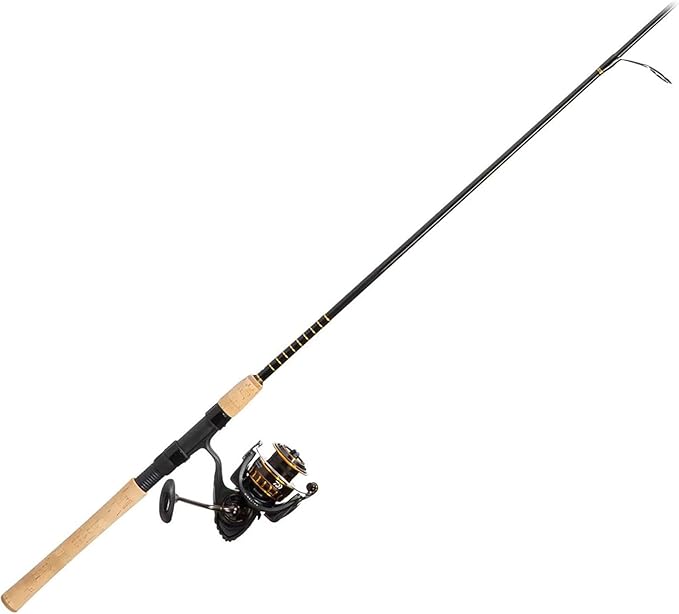
Daiwa BG Spinning Combo
Fees and Pricing: Balancing Access and Conservation Funding
The fee structure for New Jersey fishing licenses reflects a careful balance between generating necessary conservation funding and maintaining affordable access to fishing opportunities. As of 2024, key pricing points include:
- Resident Annual Freshwater License (Ages 16-64): $22.50
- Senior Resident Annual License (Ages 65-69): $12.50
- Non-Resident Annual License: $34.00
- Trout Stamp (Required for trout fishing):
- Resident (Ages 16-69): $10.50
- Non-Resident: $20.00
Additional options cater to specific needs:
- Vacation Licenses for Non-Residents:
- 2-Day: $9.00
- 7-Day: $19.50
- All-Around Sportsman License: $72.25 (includes fishing and hunting)
This tiered pricing structure serves several purposes:
- It acknowledges the different levels of resource use between residents and non-residents.
- It provides affordable options for short-term visitors, encouraging tourism without compromising long-term conservation goals.
- The discounted senior rate recognizes the contributions of long-time anglers while encouraging continued participation.
- The additional Trout Stamp requirement helps fund specific trout management and stocking programs.
Fishing Regulations: Safeguarding Aquatic Ecosystems
New Jersey’s fishing regulations are not arbitrary restrictions but carefully crafted rules designed to protect and sustain the state’s diverse aquatic ecosystems. Key aspects of these regulations include:
- Species-Specific Limits: Size and bag limits vary by species, reflecting each population's reproductive capacity and vulnerability to overfishing.
- Seasonal Restrictions: Closed seasons often coincide with spawning periods, protecting fish during critical reproductive phases.
- Gear Restrictions: Limitations on fishing gear types in certain areas help prevent overfishing and protect sensitive habitats.
- Special Regulations for Trout-Stocked Waters: These rules, including baitfish harvesting restrictions, are designed to maximize the effectiveness of stocking programs and protect wild trout populations.
The causal relationship between these regulations and sustainable fisheries is clear: by managing fishing pressure, protecting spawning periods, and preserving critical habitats, New Jersey aims to maintain healthy fish populations for long-term recreational and ecological benefits.