
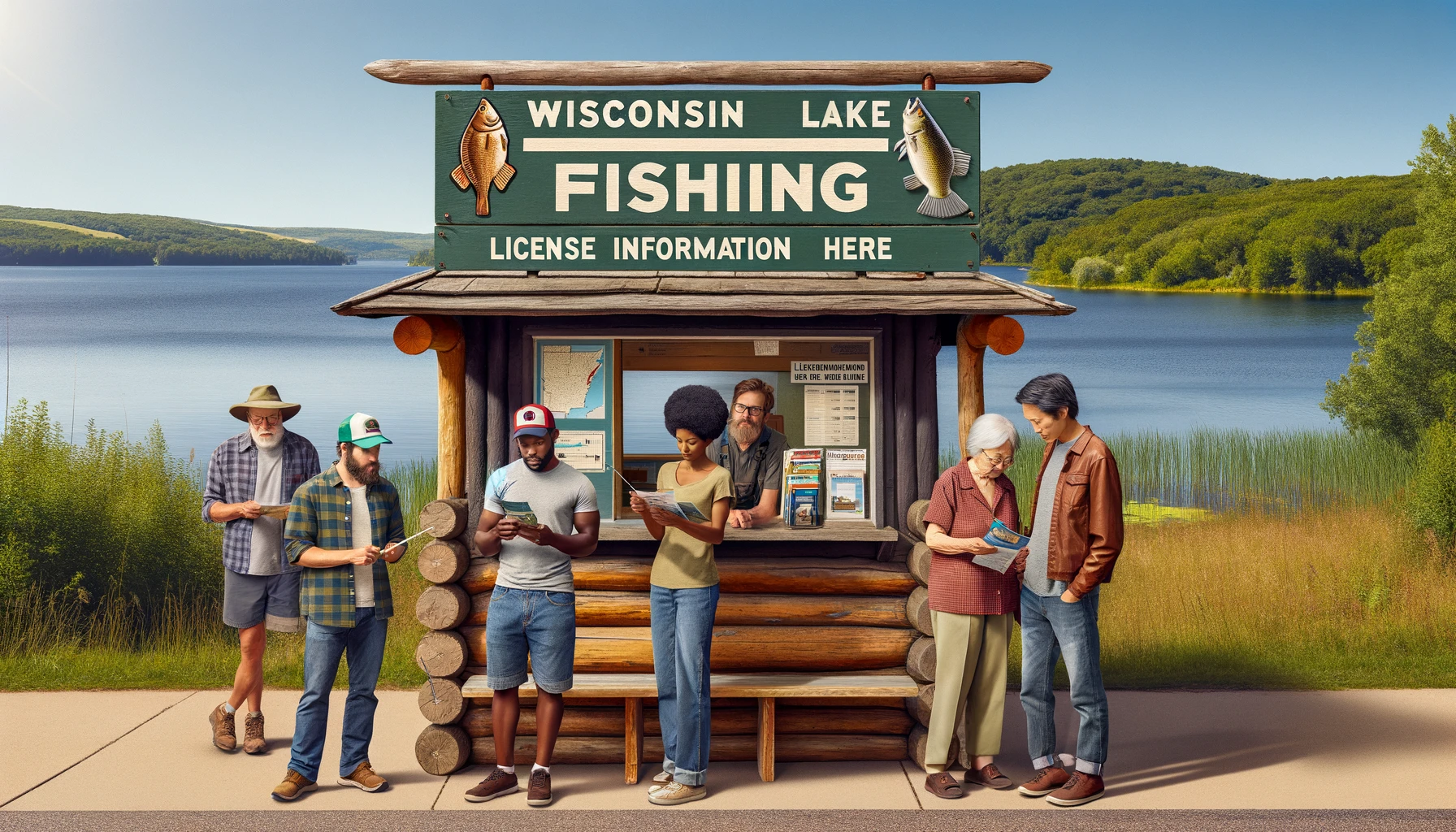
The Basics of Wisconsin Fishing Licenses
Who Needs a License?
In Wisconsin, the rule of thumb remains clear: if you’re 16 or older, you need a valid fishing license to wet a line in any of the state’s waters, including its numerous lakes. This requirement applies to both residents and non-residents, ensuring everyone contributes to the conservation efforts that keep Wisconsin’s fisheries thriving.
According to the Wisconsin Department of Natural Resources (DNR), in 2023, over 1.3 million fishing licenses were sold, highlighting the popularity of angling in the state and the critical role these licenses play in conservation efforts.
Exceptions to the Rule
While most anglers need to secure a license, there are a few exceptions:
Types of Licenses Available for 2024
Wisconsin offers a variety of license options to suit different angling needs:
Resident Licenses
- Annual License: $20
- Senior Citizen Annual License (65 years and older): $7
- First-Time Buyer License: $5
- 1-Day License: $8
- Conservation Patron License: $165 (includes fishing, hunting, and other privileges)
Non-Resident Licenses
- Annual License: $55
- 15-Day License: $33
- 4-Day License: $29
- 1-Day License: $15
- Annual Family Fishing License: $70 (covers spouses and children under 18)
Pro Tip: For those planning extended fishing trips, the annual non-resident license often proves more economical than multiple short-term licenses. Additionally, the Conservation Patron License offers significant savings for residents who enjoy multiple outdoor activities.
Additional Stamps and Permits
Depending on your target species and fishing location, you may need additional stamps:
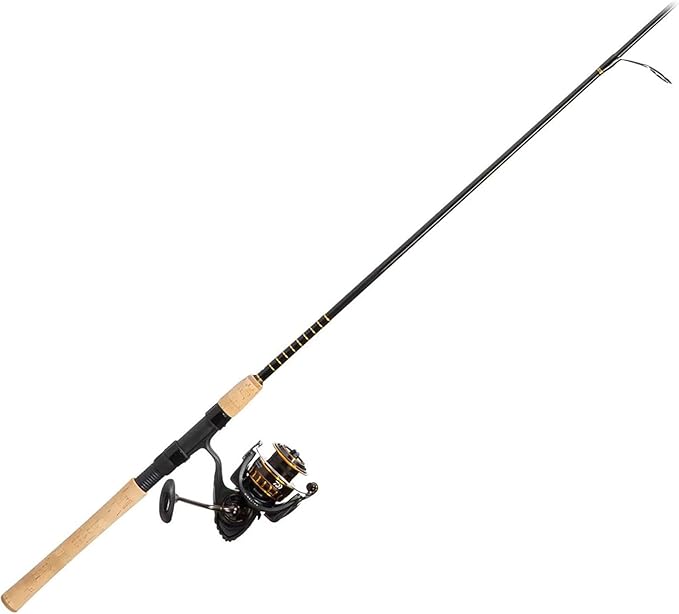
Daiwa BG Spinning Combo
- Inland Trout Stamp: Required for fishing inland trout waters ($10 for residents, $15 for non-residents)
- Great Lakes Salmon and Trout Stamp: Necessary for fishing salmon or trout in Lake Michigan or Lake Superior ($10)
- Sturgeon Hook and Line Tag: Essential for sturgeon fishing in inland waters ($20 for residents, $50 for non-residents)
It’s worth noting that in 2023, the sale of trout stamps alone contributed over $1.5 million to trout habitat improvement projects across the state.
Where to Purchase Your License
Wisconsin has embraced technology, offering multiple convenient ways to purchase your fishing license:
- Online: Through the Go Wild system
- In-Person: At DNR Service Centers or authorized license agents
- By Phone: Call 1-888-WDNRINFo (1-888-936-7463)
Remember: When purchasing online, you’ll need a valid driver’s license or social security number. The Go Wild system now offers a mobile app, allowing anglers to display their license digitally on their smartphones.
New Regulations for 2024-2025
Staying informed about regulation changes is as crucial as knowing where the fish are biting. For the 2024-2025 season, Wisconsin has implemented several new rules:
- A statewide daily bag limit of three walleye/sauger on inland waters
- New panfish limits on specific lakes, including a 10-fish daily limit on Lake Mendota
- Changes to musky length limits on certain stretches of the Wisconsin River
- Implementation of a new catch-and-release season for largemouth and smallmouth bass in the northern zone from May 1 to June 15
Insider Tip: Always check the latest regulations before your trip, as limits can vary by water body. The Wisconsin DNR offers an interactive fishing regulations tool on their website, allowing anglers to search for specific rules by location.
Conservation and Responsible Angling
Obtaining a proper license isn’t just about following the law; it’s a commitment to conservation. License fees directly support fish stocking programs, habitat improvement projects, and enforcement efforts that ensure Wisconsin’s lakes remain prime fishing destinations for generations to come.
In 2023, license fees contributed to:
- The stocking of over 5 million fish across Wisconsin waters
- The restoration of 150 miles of trout streams
- The implementation of invasive species control measures in 200 lakes
Sustainable Fishing Practices
In addition to licensing, responsible anglers should adhere to sustainable fishing practices:
- Practice catch and release, especially for larger, breeding-age fish
- Use barbless hooks to minimize damage to fish
- Properly dispose of fishing line and other waste
- Clean your boat and gear to prevent the spread of invasive species