
Overview of Recreational Fishing License Types
Recreational fishing licenses in the United States can be broadly categorized into the following types:
Freshwater Fishing Licenses
Required for fishing in freshwater bodies such as lakes, rivers, and streams. These licenses are typically issued by individual states and may have different regulations and costs depending on your residency status.
Saltwater Fishing Licenses
Necessary for fishing in saltwater environments, including oceans, bays, and estuaries. Like freshwater licenses, saltwater licenses are regulated and issued by coastal states.
Combination Licenses
Some states offer combination licenses that allow you to fish in both freshwater and saltwater environments within the state’s boundaries.
Short-Term Licenses
For those planning a brief fishing trip, many states offer short-term licenses valid for a specific number of days, ranging from one day to a week or more.
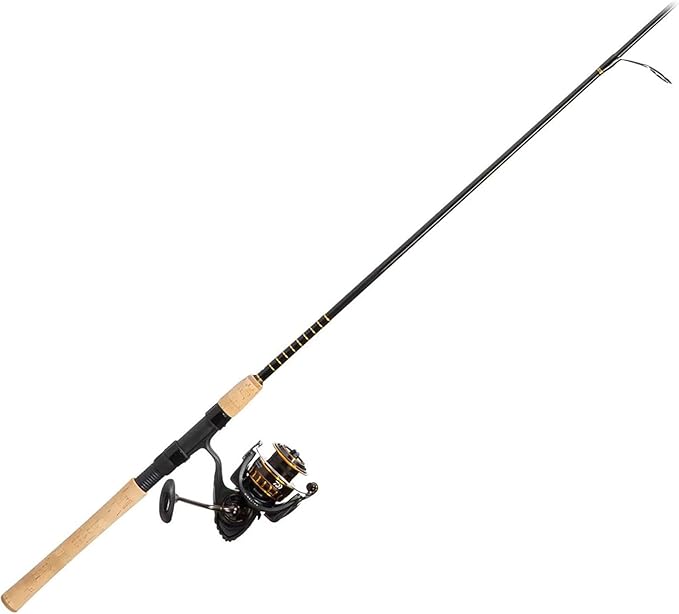
Daiwa BG Spinning Combo
Non-Resident Licenses
If you plan to fish in a state where you are not a legal resident, you will typically need to purchase a non-resident fishing license, which often comes at a higher cost than resident licenses.
Age-Based Licenses
Many states offer discounted or free fishing licenses for children, seniors, and individuals with disabilities, encouraging participation in the sport across all age groups and abilities.
Lifetime Licenses
One-year licenses are very common for residents. After the year, you will need to renew it and pay the annual fee. Some states offer lifetime licenses to residents. These lifetime licenses cost a considerable amount to acquire but offer the convenience of eliminating the annual burden of renewal.
[Here is a table comparing license types, costs, and requirements across different states for 2024:]
| State | Resident Annual | Non-Resident Annual | Senior Resident | Youth Resident | Lifetime Resident |
|---|---|---|---|---|---|
| Florida | $17.00 | $47.00 | Free (65+) | $17.00 | $501.00 |
| California | $51.02 | $142.05 | $30.25 (65+) | $16.20 (16 & under) | $1,049.00 |
| Texas | $30.00 | $58.00 | $12.00 (65+) | Free (16 & under) | $1,000.00 |
| New York | $25.00 | $50.00 | $5.00 (70+) | Free (16 & under) | $640.00 |
| Michigan | $26.00 | $76.00 | $11.00 (65+) | Free (17 & under) | $244.00 |
Note: Prices and age requirements may vary. Always check with your state’s wildlife agency for the most up-to-date information.
Obtaining Your Recreational Fishing License
Obtaining a recreational fishing license is a straightforward process, with several convenient options available:
- Online Purchase: Most state wildlife agencies offer the ability to purchase fishing licenses online through their official websites. This option is often the quickest and most convenient, allowing you to obtain your license from the comfort of your home or on-the-go.
- In-Person Purchase: You can also purchase fishing licenses in person at authorized retailers, such as sporting goods stores, bait and tackle shops, and some outdoor recreation stores. Many state wildlife agency offices also offer in-person license sales.
- Phone Purchase: Some states provide the option to purchase fishing licenses over the phone, typically by calling a dedicated hotline and providing the necessary information and payment details.
- Florida Fish and Wildlife Conservation Commission
- California Department of Fish and Wildlife
- Texas Parks and Wildlife Department
- New York State Department of Environmental Conservation
- Michigan Department of Natural Resources
Additional Permits and Regulations
Depending on the type of fishing you plan to engage in and the specific location, you may need to obtain additional permits or follow certain regulations beyond the basic fishing license. Here are some common examples:
Trout Stamps
Many states require anglers to purchase a trout stamp or permit if they plan to fish for trout species.
Saltwater Fishing Permits
In addition to a saltwater fishing license, some states may require separate permits for activities such as harvesting specific species (e.g., lobster, crab, or shark) or using certain fishing gear.
Catch and Release Regulations
Some areas may have catch-and-release regulations in place, where anglers are required to release any fish caught back into the water.
Size and Bag Limits
Depending on the species and location, there may be size and bag limits in place, restricting the number and size of fish that can be kept.
Trout Fishing in Colorado
- Requires a Trout Stamp in addition to a fishing license
- Bag limit of 4 trout per day
- Minimum size of 16 inches for certain species
Shark Fishing in Florida
- Requires a Shark Fishing Permit in addition to a saltwater fishing license
- Bag limit of 1 shark per vessel, with a maximum of 1 shark per person
- Certain species, such as great white sharks, are prohibited
Lobster Fishing in Maine
- Requires a Lobster Permit in addition to a saltwater fishing license
- Minimum size of 3 1/4 inches (carapace length)
- Bag limit of 6 lobsters per person per day
Always check with your state’s wildlife agency for the most up-to-date regulations and permit requirements before your fishing trip.