
Understanding Virginia Fishing License Requirements
In Virginia, most anglers aged 16 and older are required to have a valid fishing license before fishing in public waters. This regulation applies to both residents and non-residents, with a few exceptions. The Virginia Department of Wildlife Resources (DWR) oversees the licensing process, which is designed to support conservation efforts and maintain sustainable fish populations.
Who Needs a Fishing License in Virginia?
- Residents and non-residents aged 16 and older
- Anglers fishing in public freshwater and saltwater bodies
- Those participating in catch-and-release fishing
Exceptions to Licensing Requirements
- Residents under 16 years of age
- Non-resident children under 16 when accompanied by a licensed adult
- Residents 65 years and older fishing in saltwater (must still comply with the Virginia Fisherman Identification Program)
- Legally blind persons
- Resident active-duty military personnel on official leave
Types of Virginia Fishing Licenses
Virginia offers a variety of fishing license options to accommodate different needs and preferences. Here’s an overview of the main types:
1. Freshwater Fishing License
Required for fishing in Virginia’s inland waters, including rivers, lakes, and streams.
2. Saltwater Fishing License
Needed for fishing in tidal waters and the Chesapeake Bay.
3. Combination Freshwater and Saltwater License
Ideal for anglers who fish in both types of waters, offering convenience and potential cost savings.
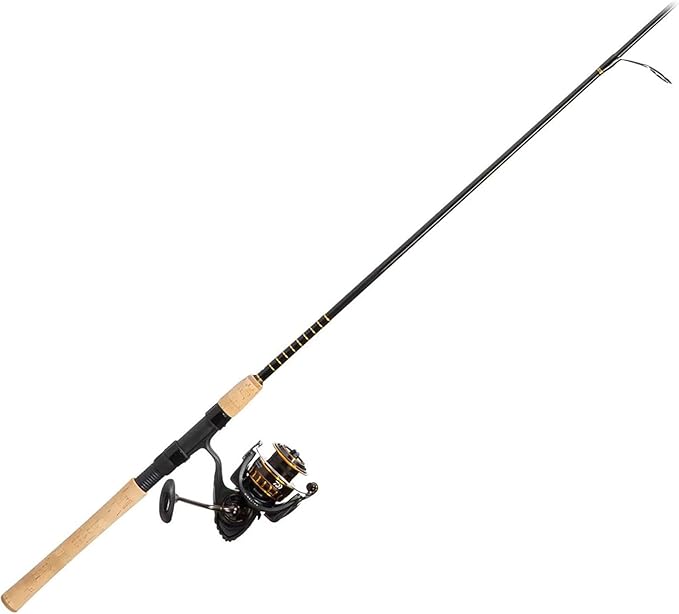
Daiwa BG Spinning Combo
4. Trout License
An additional license required when fishing in designated stocked trout waters from October 1 through June 15.
5. Short-Term Licenses
Available for 1-day, 5-day, or 10-day periods for both residents and non-residents, perfect for vacationers or occasional anglers.
6. Lifetime Licenses
A one-time purchase that covers fishing for life, available for residents only.
How to Obtain Your Virginia Fishing License
Obtaining a fishing license in Virginia is a straightforward process with several convenient options:
1. Online Purchase
Visit the official Go Outdoors Virginia website (https://gooutdoorsvirginia.com) to purchase and print your license instantly. This method offers the most convenience, allowing you to obtain your license 24/7 from the comfort of your home.
2. By Phone
Call 1-866-721-6911 during regular business hours to purchase a license over the phone. Customer service representatives can guide you through the process and answer any questions you may have.
3. In Person
Visit a licensed agent, such as sporting goods stores, bait and tackle shops, or some Walmart locations. This option allows for face-to-face interaction and immediate receipt of your physical license.
4. Mobile App
Download the Go Outdoors Virginia mobile app to purchase and store your license digitally on your smartphone. This method ensures you always have your license on hand and can easily display it when required.
Information Required for License Purchase
When purchasing your license, be prepared to provide the following information:
- Full name, address, and date of birth
- A valid form of identification (driver's license or state ID)
- Social Security Number (last 4 digits)
- Payment method (credit card for online/phone purchases)
Fishing License Fees and Duration
License fees vary depending on the type of license, duration, and your residency status. Here’s a general overview of annual license costs for residents:
- Freshwater Fishing: $23
- Saltwater Fishing: $17.50
- Combination Freshwater/Saltwater: $39.50
- Trout License: $23 (in addition to the freshwater license)
Non-resident fees are typically higher. For example, an annual non-resident freshwater license costs $47.
Most annual licenses are valid from January 1 to December 31 of the year purchased. Be sure to check the expiration date when you receive your license.
Additional Permits and Considerations
Depending on where and how you plan to fish, you may need additional permits:
1. National Forest Permit
Required when fishing on National Forest lands ($4). This permit is necessary for fishing in areas such as the George Washington and Jefferson National Forests, with some exceptions.
2. State Forest Use Permit
Needed for fishing in state forests ($16). This permit also covers activities like hunting, trapping, mountain biking, and horseback riding on state forest lands.
3. County Dip Net Permit
Required for taking shad, herring, and mullet ($4.50). This specialized permit is necessary for specific fishing methods in certain areas.
4. Tidal Boat License
A special license for boat owners that covers all passengers fishing in tidal waters when the owner is present. This can be a cost-effective option for frequent anglers who own boats.
Practical Tips for Virginia Anglers
- Always carry your license: Keep a physical copy or have the digital version readily accessible on your phone. Law enforcement officers may request to see your license at any time.
- Know the regulations: Familiarize yourself with size and catch limits, which can vary by species and location. The Virginia DWR website provides up-to-date information on fishing regulations.
- Check for free fishing days: Virginia typically offers free fishing days in June, allowing anyone to fish without a license. This is an excellent opportunity to introduce friends or family to the sport.
- Consider a lifetime license: If you're a resident and frequent angler, a lifetime license can offer significant savings in the long run.
- Stay informed: Regulations can change, so check the Virginia Department of Wildlife Resources website for updates before each fishing season.
Risks and Consequences of Fishing Without a License
Fishing without a valid license in Virginia is considered a Class 3 misdemeanor. The consequences can be severe and include:
- Fines ranging from $50 to $500
- Potential court costs
- Possible jail time of up to 30 days
- Suspension of fishing privileges
Moreover, repeat offenses can lead to more severe penalties. It’s simply not worth the risk – always ensure you have a valid license before fishing.
Conservation and the Importance of Fishing Licenses
Purchasing a fishing license is more than just a legal requirement; it’s a crucial contribution to conservation efforts in Virginia. The revenue generated from license sales directly funds:
- Fish and wildlife conservation efforts
- Habitat restoration projects
- Fisheries management programs
- Educational initiatives
By obtaining a license, you’re actively participating in the preservation of Virginia’s aquatic ecosystems, ensuring that future generations can enjoy the same fishing opportunities we have today.
Fishing Opportunities in Virginia
Virginia offers a diverse range of fishing experiences, from mountain streams to coastal waters. Here are some popular fishing destinations and the species you might encounter:
Freshwater Fishing
- Smith Mountain Lake: Known for its excellent largemouth bass, striped bass, and crappie fishing.
- Shenandoah River: Offers great smallmouth bass and trout fishing opportunities.
- James River: Home to a variety of species, including catfish, bass, and shad.
Saltwater Fishing
- Chesapeake Bay: Famous for striped bass (rockfish), bluefish, and flounder.
- Virginia Beach: Offers excellent offshore fishing for tuna, marlin, and mahi-mahi.
- Eastern Shore: Great for surf fishing and inshore species like red drum and speckled trout.
Seasonal Considerations
Virginia’s fishing seasons vary depending on the species and location. Here are some general guidelines:
- Spring: Excellent for trout fishing in mountain streams and bass fishing in lakes and rivers.
- Summer: Peak season for saltwater fishing, with many offshore species available.
- Fall: Great for striped bass fishing in the Chesapeake Bay and its tributaries.
- Winter: Ice fishing opportunities in some northern parts of the state, and year-round fishing in many coastal areas.
Always check the current regulations for specific seasonal restrictions and catch limits.
Resources for Virginia Anglers
To enhance your fishing experience in Virginia, consider these additional resources:
- Virginia Department of Wildlife Resources (DWR) website: https://dwr.virginia.gov/fishing/
- Offers comprehensive information on regulations, stocking reports, and fishing forecasts.
- Virginia Marine Resources Commission: https://mrc.virginia.gov/
- Provides information on saltwater fishing regulations and conservation efforts.
- Virginia State Parks fishing information: https://www.dcr.virginia.gov/state-parks/fishing
- Details on fishing opportunities within Virginia's state parks.
- Local fishing reports and forums: Websites like Virginia Fishing Forum (https://www.fishingforum.com/virginia-fishing/) can provide up-to-date information from local anglers.
- Fishing apps: Consider downloading apps like FishBrain or Fishing Points to discover new fishing spots and track your catches.