
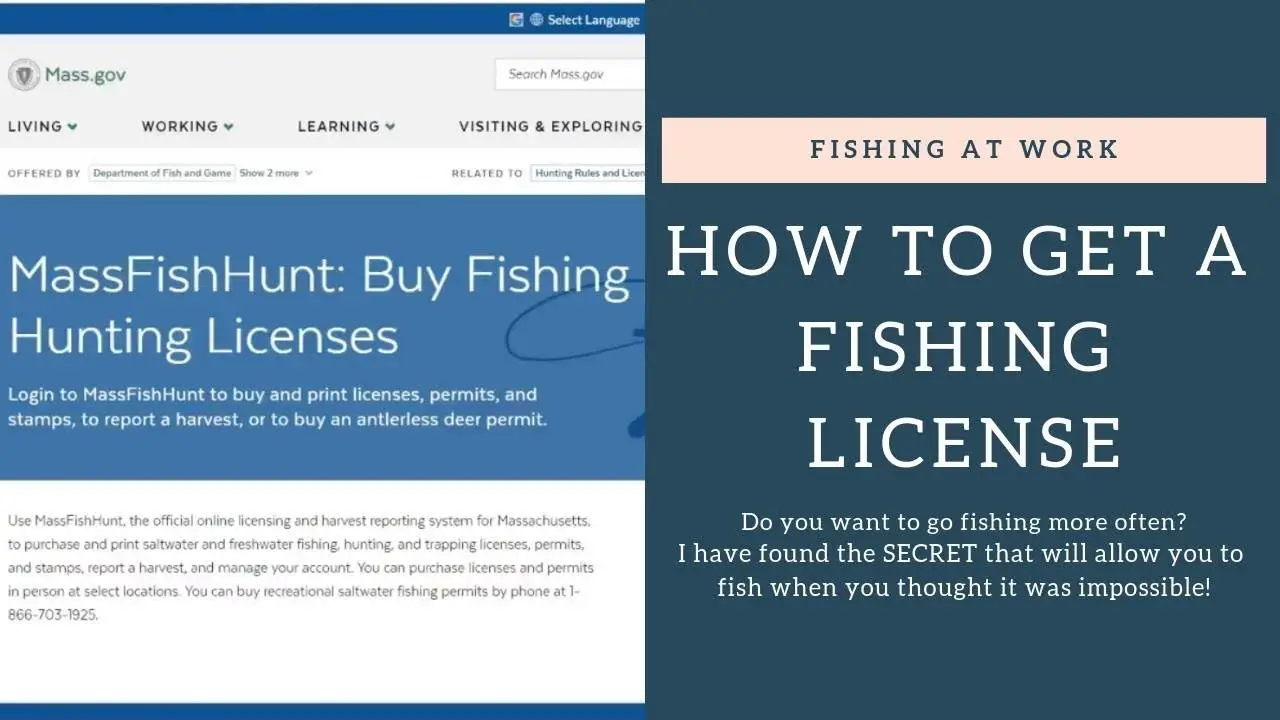
The short answer: most anglers are fully licensed in 5–10 minutes. State wildlife agency websites have improved dramatically — first-time users may take 15 minutes, but returning users who save their account credentials often complete a renewal in under five. This guide walks through everything you need to know before you click “buy,” including which states now offer instant digital licenses, what information to have ready, and exactly what happens if you skip the license entirely.
Quick Reference: Online Fishing License at a Glance
| Factor | Typical Experience |
|---|---|
| Time to complete | 5–15 minutes |
| License valid from | Immediately upon purchase (online) |
| Accepted payment | Major credit/debit cards; some states accept PayPal or ACH |
| License delivery | Instant — print PDF or display on state mobile app |
| First-time vs. returning | First-time: ~15 min / Returning: ~5 min |
Why Fishing Licenses Matter
The revenue from fishing license sales funds programs that directly benefit every angler on the water. According to the U.S. Fish & Wildlife Service, license revenues contribute to fish stocking programs, habitat restoration, research, and aquatic education. Without consistent license compliance, these programs — and the healthy fisheries they maintain — are the first to see budget cuts.
There are also two practical reasons to buy before you cast:
- Conservation management. Wildlife agencies use license data to track participation rates, monitor species pressure, and adjust bag limits or season dates before populations decline.
- Legal requirement. Fishing without a valid license is a citable offense in every U.S. state, regardless of whether you intend to keep the fish. Catch-and-release does not exempt you from needing a license in most jurisdictions.
The 2026 Online Licensing Process: Step by Step
Every state runs its own licensing system, but the purchase flow is nearly identical across all 50.
Step 1 — Go to your state’s official wildlife agency website. Use the TakeMeFishing.org state license directory to find the correct portal. Never purchase through a third-party site unless it is an officially authorized vendor (e.g., Bass Pro Shops, Walmart, or a state-approved agent).
Step 2 — Find the online licensing section. Look for “Buy a License,” “Fishing Licenses,” or “Online License Sales” in the main navigation. Most state portals redirect you to a dedicated licensing system (examples: Texas uses TPWD’s Online Store, Florida uses GoOutdoorsFlorida.com, California uses the CDFW Online License Store).
Step 3 — Create an account or log in. First-time buyers need to register with a name, email address, and date of birth. Returning customers can log in and most personal details will pre-populate — this is what cuts the renewal time down to under five minutes.
Step 4 — Select your license type. Common options include: resident annual, non-resident annual, short-term (1-day, 3-day, 7-day), senior/youth discounted, and combination (freshwater + saltwater). If you’re unsure which applies, most portals include a brief eligibility guide.
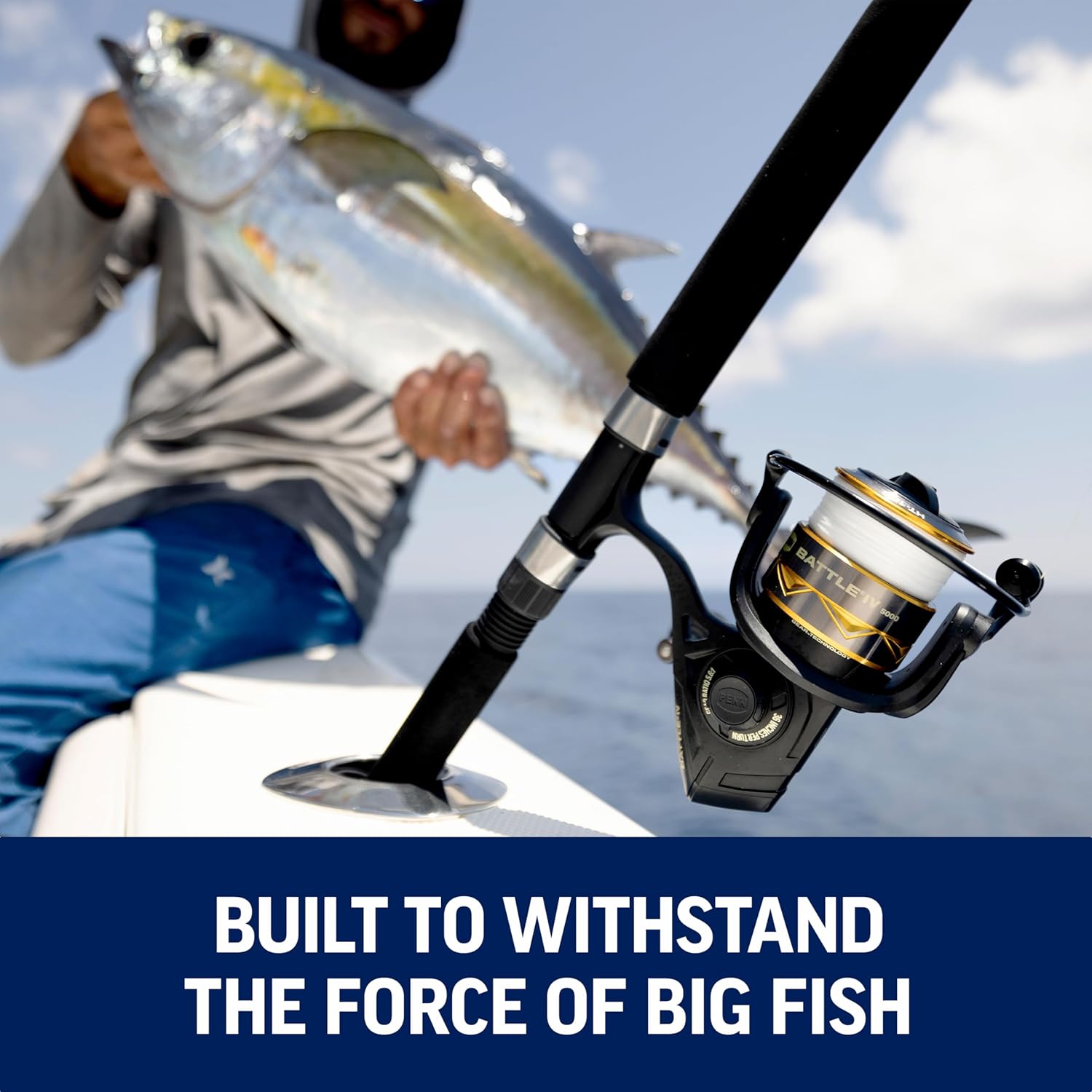
Penn Battle III Surf Spinning Combo
Step 5 — Provide required personal information. Expect to enter your full legal name, date of birth, current address, and a government-issued ID number. Many states require a driver’s license number or last four digits of your Social Security number to verify residency for resident pricing.
Step 6 — Pay the fee. All states accept major credit and debit cards. Processing is handled through secure state or third-party payment gateways. No state charges an additional fee for online purchases (though some authorized third-party vendors may add a small transaction fee).
Step 7 — Retrieve your license. Your license is available immediately. You can print a PDF to carry on the water, or — in most states as of 2026 — display it digitally through your state’s official app.
Mobile App Licensing in 2026
As of 2026, the majority of U.S. states accept digital fishing licenses displayed on a smartphone as legally valid proof. Here are the major platforms:
| State | Official App | Notes |
|---|---|---|
| Texas | TPWD Outdoor Annual | Available on iOS and Android; digital license accepted by game wardens |
| Florida | GoOutdoorsFlorida | App and web portal; digital license valid statewide |
| California | CDFW License App | Display license electronically; free on iOS and Android |
| New York | HuntFishNY | Official NYSDEC app; includes license display, harvest reporting, and water-specific regulations |
| Pennsylvania | HuntFishPA | Supports license display and harvest reporting |
| Washington | MyWDFW | Launched April 1, 2026 — first year of full digital licensing in WA; replaces paper for mobile users |
Important: Always confirm that your specific state accepts digital display before leaving your paper copy at home. While the trend is universal acceptance, a handful of states still technically require a printed or physical copy. When in doubt, carry both.
Factors That Affect How Long It Takes
Even on a fast connection, a few variables can extend your purchase time:
Your account status. First-time users spend the most time setting up a profile and entering ID verification details. If you fished last year and already have an account, renewals are nearly instant.
Internet speed. A stable broadband or LTE connection handles the entire process in seconds. Spotty connections — common in rural areas where you might be planning your trip — can cause page timeouts or payment processing delays. Complete your purchase from a reliable connection, ideally before you leave home.
Documents and payment ready. Having your driver’s license number, date of birth, and a credit card in front of you before you start will eliminate most of the wait. States that require residency verification (Florida requires a valid FL Driver’s License or ID; Texas requires a Texas DL or DPS number) will reject the application if this information doesn’t match state records.
State-specific requirements. A small number of states require new buyers to complete a brief boater education or fishing ethics module before a license will issue. These are rare and typically only required for anglers under 18.
System traffic. Peak periods — the opening of trout season, the first weekend in June around Free Fishing Days, holiday weekends — can slow down state licensing portals due to high volume. If your fishing trip is time-sensitive, purchase at least 24–48 hours in advance.
State-Specific Regulations You Need to Know
Residency Requirements
Resident licensing rates are significantly lower than non-resident rates in every state — the gap typically ranges from 2x to 4x the cost. To qualify for resident pricing, you must provide verifiable proof of in-state residency. Florida requires a valid Florida Driver’s License or Florida ID card. California requires proof of domicile. Texas requires a current Texas DL or state-issued ID.
Attempting to purchase a resident license while qualifying as a non-resident is a violation subject to fines and license revocation in addition to the standard no-license penalties.
Age Considerations
Most states exempt anglers under 16 from needing a fishing license, though the threshold varies:
- California: Anglers under 16 do not need a license; no senior exemption. Source: CDFW
- Florida: Residents aged 65 or older fish for free; youth under 16 are also exempt. Source: FWC
- Illinois: Anglers 16 and older must have a valid license; 2026 resident annual fee is $15. Source: IDNR
- Texas: Anglers under 17 and residents 65+ (born before Jan 1, 1931 under the Resident Combination Package) are exempt.
Always verify the exact age threshold on your state’s official site — “under 16” versus “16 and older required” is a meaningful distinction that varies.
License Duration Options
Nearly all states offer multiple duration tiers:
- Single-day (from ~$5–$15 depending on state)
- Multi-day (3-day, 5-day, 7-day — ideal for out-of-state trips)
- Annual (most common; typically valid January 1–December 31 or date-of-purchase to one year forward)
- Lifetime (one-time purchase; available in most states; breakeven is typically 10–20 years of annual licenses)
New York, for example, offers freshwater fishing licenses from 1-day through lifetime options at varying resident and non-resident rates.
Additional Permits and Stamps
A base fishing license does not always cover every species or water type. Common add-ons include:
- Trout/salmon stamps (required in many states to target trout in designated streams)
- Saltwater endorsements (some states bundle saltwater into the base license; others require a separate coastal license)
- Species-specific tags (e.g., sturgeon report cards in California, striped bass registration in Maryland for Chesapeake Bay anglers)
In Maryland, anglers targeting striped bass in the Chesapeake Bay and its tributaries must complete a free Maryland Chesapeake Bay Sport Fishing License registration in addition to their standard license.
2026 Free Fishing Days: Fish Without a License
Every state designates at least one day per year when residents and non-residents can fish without a license. These are excellent opportunities for first-time anglers to try fishing before committing to a purchase. Confirmed 2026 dates include:
| State | 2026 Free Fishing Day(s) |
|---|---|
| Colorado | June 6–7 |
| Connecticut | May 9 |
| Florida (freshwater) | First weekend in April; second weekend in June |
| Florida (saltwater) | First weekend in June; first Saturday in September |
| Iowa | June 5–7 |
| Kansas | June 6–7 |
| Kentucky | June 6–7 |
| Maine | Feb 14–15 and May 30–31 |
| Maryland | June 6, June 13, and July 4 |
| Michigan | Feb 14–15 and June 13–14 |
| Minnesota | Jan 17–19 (ice fishing); May 10–11; June 5–7 |
| Missouri | June 6–7 |
| Montana | May 9–10 (Mother's Day); June 20–21 (Father's Day) |
| Nebraska | June 16 |
| Nevada | June 13 |
| New Hampshire | Jan 17 and June 6 |
| Oklahoma | June 6–7 |
| Oregon | Feb 14–15 and June 6–7 |
| Tennessee | June 6 |
| Texas | June 6 |
| Utah | June 6 |
| Washington | June 6–7 |
| Wyoming | June 6 |
California’s 2026 free fishing days are July 5 and August 30, per Cast and Fly’s 2026 CDFW regulatory guide. All other regulations (bag limits, report cards, size limits) remain in effect on free fishing days — only the license requirement is waived.
For states not listed above, check the Powerhouse Lithium 2026 Free Fishing Days state guide for updates as dates are confirmed.
Practical Tips for a Smooth Purchase
Gather everything before you start. Driver’s license number, date of birth, payment card, and your state’s DL or ID number if residency verification is required. Having these in front of you when you open the portal eliminates the most common cause of extended purchase times.
Buy from the official state portal. Third-party resellers are convenient but may charge service fees. The official portal is always free of extra charges and guarantees your data goes directly to the agency that issues enforcement records.
Purchase before your trip, not the morning of. State systems occasionally experience outages during peak periods. Buying 24–48 hours early gives you a buffer and ensures you have time to print a backup copy.
Save a digital and a printed copy. Even in states with full mobile licensing support, printed copies are invaluable when fishing in areas with no cell service. Many anglers photograph their PDF license and save it to their phone’s camera roll — accessible offline.
Set up auto-renewal if your state offers it. Annual license holders who auto-renew never face an expired license gap. Most states that offer this feature send an email confirmation before charging.
Check for eligible discounts. Veterans, active military, disabled individuals, and low-income anglers qualify for discounted or free licenses in many states. These discounts are applied during the online checkout process when you select your license type — but only if you select the correct category. If you qualify, don’t pay full price.
Consequences of Fishing Without a License
Fishing without a valid license is a citable offense that carries real financial consequences. Enforcement officers routinely check licenses at boat ramps, on the water, and at fishing access points.
California
In California, fishing without a license is an infraction or misdemeanor depending on circumstances. The Weber Law firm cites fines ranging from $100–$1,000 for a first offense, increasing to $250–$1,000 for a second offense within five years. If you had a valid license but forgot it at home, the fine drops to $25 — provided you can produce the license afterward. California game wardens are also authorized to seize fishing equipment used in the commission of a violation. Source: California Fish and Game Code § 12002.
Florida
Florida classifies fishing without a license as a Level One noncriminal infraction. The Florida statute sets the civil penalty at:
- First offense: $50 plus the cost of the required license
- Repeat offense (within 36 months): $250 plus the cost of the license
- If contested in court and found guilty: $50–$500 civil penalty
The violation becomes a second-degree misdemeanor (up to 60 days in jail and a $500 fine) if you refuse to accept the citation, fail to pay the fine, or fail to appear in court. Fishing while a license is suspended or revoked escalates to a first-degree misdemeanor carrying up to one year in jail and a $1,000 fine, plus a mandatory additional $1,000 civil penalty and a 5-year ban on license reinstatement. Source: Sando Law P.A.
The Broader Rule
Every state treats ignorance of the law as an invalid defense. Conservation officers are authorized to check licenses at any time on public waters. The cost of getting caught — even once — generally exceeds several years of annual license fees. Get licensed before you cast.
Frequently Asked Questions
Do I need a fishing license for catch-and-release fishing?
Yes, in the vast majority of states. The license requirement applies to any attempt to take fish, regardless of whether you intend to keep them. Florida explicitly states that catch-and-release still counts as “taking” under its regulations. Always check your state’s specific language, but assume you need a license unless your state’s official site says otherwise.
Can I use my home state license in another state?
No — each state issues its own license that is valid only within that state’s jurisdiction. However, a handful of reciprocal agreements exist for specific border waters. North Carolina has agreements with Georgia, Tennessee, and Virginia. Check both states’ wildlife agency websites before fishing near a state border.
Are there free fishing days when I don’t need a license?
Yes. Most states offer one to four free fishing days per year (see the table above). All other regulations — bag limits, size limits, gear restrictions — remain in force on free fishing days. A license exemption is not a regulation exemption.
What if I forgot my license at home?
In California, you can potentially reduce your fine to $25 by producing a valid license after the fact. In Florida, officers may allow you to purchase the required license on the spot and pay the $50 civil penalty. However, these outcomes are at officer discretion and are never guaranteed — carrying your license (or having it on your phone via the state’s official app) is the only reliable protection.
Can I get an instant same-day license?
Yes. Online purchases through official state portals issue a license immediately upon payment confirmation. You can fish on the same day you buy — there is no waiting period for recreational licenses purchased online.
Is fishing from a public pier different?
In California, no license is required to fish from a public ocean or bay pier. All other regulations still apply. Most other states do not have this exemption, so confirm with your state’s official site.
Additional Resources
- TakeMeFishing.org — State Fishing License Directory
- U.S. Fish & Wildlife Service — Fishing Information
- Powerhouse Lithium — 2026 Free Fishing Days by State
- Cast and Fly — 2026 California Fishing Violations Guide
- GoOutdoorsFlorida.com — Florida's official license portal
- CDFW Online License Store — California's official license portal
- TPWD Online Store — Texas's official license portal
- HuntFishNY App — New York's official digital license app
Getting licensed in 2026 has never been faster. Five to ten minutes online is all it takes, and in most states your license is valid the moment you complete the transaction. Use this guide to come prepared, buy from the official state portal, and have your license — printed or on your phone — every time you’re on the water.
Prices and regulations verified March 2026. Fishing license fees and rules change annually — always confirm current requirements at your state’s official fish and wildlife agency website before purchasing.