
Fishing in Texas is a beloved pastime, but before you cast your line, it’s essential to understand the fishing license requirements. This guide will provide you with all the necessary information regarding types of licenses, costs, and how to purchase one.
Texas Fishing License Requirements
To fish in Texas public waters, you must have a valid fishing license issued by the Texas Parks and Wildlife Department (TPWD). This requirement applies to both residents and non-residents, ensuring responsible fishing practices and supporting conservation efforts.
Who Needs a Texas Fishing License?
- Residents: All individuals 17 years and older must have a fishing license.
- Non-residents: Anyone fishing in Texas waters, regardless of age, needs a license.
- Exemptions: Youth under 17, seniors born before January 1, 1931, and certain individuals with disabilities may be exempt.
Types of Texas Fishing Licenses
Texas offers a comprehensive range of fishing licenses to accommodate diverse angler needs and preferences. Understanding these options ensures compliance with state regulations while supporting conservation efforts.
Freshwater Fishing License
This license grants anglers access to Texas’s abundant lakes, rivers, and streams. It’s essential for those targeting species like largemouth bass, catfish, and crappie in the state’s freshwater bodies. The freshwater license is valid from the date of purchase through August 31 of the following year, aligning with Texas’s fishing season.
Saltwater Fishing License
For those drawn to coastal fishing, the saltwater license is indispensable. It covers fishing in the Gulf of Mexico and other saltwater bodies, allowing anglers to pursue popular species such as redfish, speckled trout, and flounder. Like its freshwater counterpart, this license is valid until August 31 following the purchase date.
All-Water Fishing License
The all-water license offers the most comprehensive coverage, combining both freshwater and saltwater privileges. This versatile option is ideal for anglers who enjoy diverse fishing experiences across Texas’s varied aquatic environments. It provides the flexibility to fish in any public water body within the state.
One-Day Fishing License
Perfect for occasional anglers or tourists, the one-day license is valid for a full 24 hours from the time of purchase. This short-term option allows for spontaneous fishing trips without committing to a full-year license. Multiple consecutive days can be purchased at once for extended trips.
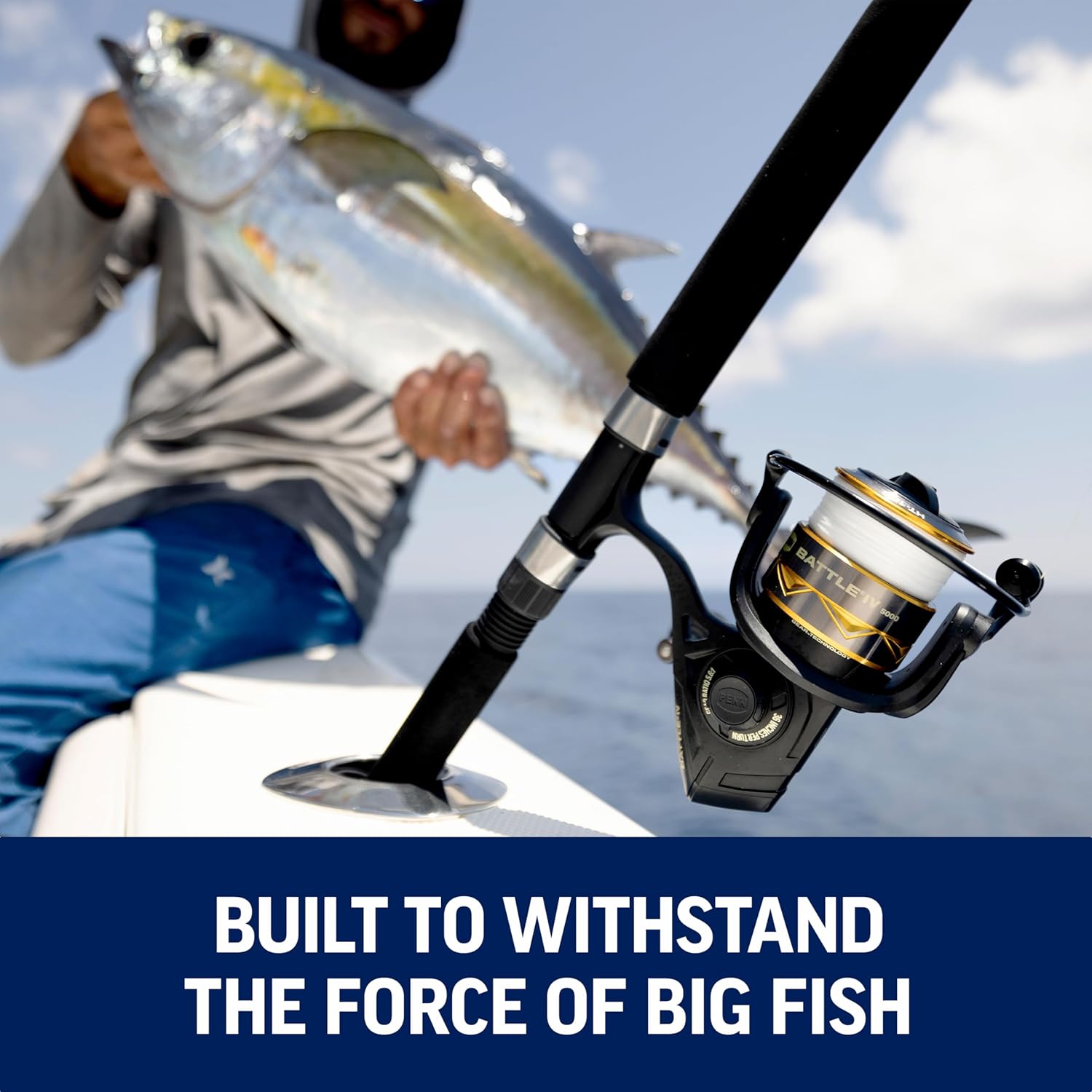
Penn Battle III Surf Spinning Combo
Year-From-Purchase All-Water Fishing Package
This unique option, available to Texas residents, offers a full year of fishing from the date of purchase. It’s particularly beneficial for those who want to start their fishing season at any time of the year, providing 365 days of continuous coverage for both freshwater and saltwater fishing.
Texas Fishing License Costs
License costs vary based on residency status and type:
| License Type | Resident | Non-Resident | Senior Resident |
|---|---|---|---|
| One-Day All-Water | $11 | $16 | N/A |
| Freshwater Package | $30 | $58 | $12 |
| Saltwater Package | $35 | $63 | $17 |
| All-Water Package | $40 | $68 | $22 |
| Year-From-Purchase All-Water | $47 | N/A | N/A |
Note: Additional endorsements or permits may be required for specific fishing activities.
Benefits of Having a Texas Fishing License
A Texas fishing license is more than just a legal requirement; it provides significant benefits that enhance your fishing experience while supporting conservation efforts. Below, we explore the key advantages of obtaining a fishing license in Texas.
1. Legal Compliance and Avoiding Penalties
Fishing without a valid license in Texas can result in fines or penalties. A fishing license ensures you are compliant with state regulations, allowing you to enjoy your angling adventures without legal concerns. Whether you’re fishing in freshwater or saltwater, having the correct endorsements and tags is essential. For detailed licensing requirements, visit the Texas Parks and Wildlife Department (TPWD) official site.
2. Conservation Funding and Environmental Impact
Your fishing license fees directly contribute to critical conservation programs, including habitat restoration, fish stocking, and wildlife management. These efforts ensure sustainable fish populations and healthy ecosystems for future generations. For example, TPWD uses revenue from over 3.9 million licenses sold annually to fund projects like the River Studies Program, which addresses long-term water quality and habitat issues.
3. Access to Exclusive Fishing Areas
Certain prime fishing locations in Texas are accessible only to licensed anglers. This includes some of the state’s best freshwater lakes and saltwater coastal areas. Additionally, free fishing opportunities are available year-round at over 70 state parks, where no license is required when fishing on park property (entry fees still apply). Learn more about free fishing days and state park policies on the TPWD Free Fishing Opportunities page.
4. Supporting Local Economies
Purchasing a fishing license also bolsters local economies that depend on recreational fishing tourism. From bait shops to guided tours, your investment helps sustain businesses that provide essential services to anglers across Texas.
5. Educational Opportunities for Anglers
Many license packages include access to educational resources and programs designed to improve your skills as an angler. These initiatives often focus on sustainable fishing practices, safety protocols, and techniques for novice and experienced fishers alike.
6. Flexible Licensing Options
Texas offers a variety of licensing packages tailored to meet different needs and budgets. Popular options include the “Super Combo” package for $68, which combines hunting and fishing licenses with endorsements for freshwater, saltwater, and migratory game birds. For more details on pricing and packages, visit the TPWD Licenses & Fees page.
How to Get a Texas Fishing License in 2025
Obtaining a Texas fishing license is a straightforward process. Here’s a comprehensive guide to help you get started:
Choose Your License Type
Before purchasing, determine which license best suits your needs:
- Resident or Non-Resident
- Freshwater, Saltwater, or All-Water
- Annual, One-Day, or Special (e.g., Lifetime, Senior, Youth)
Purchase Methods
Texas offers multiple convenient ways to acquire your fishing license:
- Online: Visit the Texas Parks and Wildlife Department (TPWD) website for instant purchase and printing.
- Phone: Call (800) 895-4248 Monday to Friday, 8 AM - 5 PM CST. Note: A $5 administrative fee applies to phone transactions.
- In-Person: Buy at TPWD offices, state parks, or authorized retailers such as sporting goods stores and Walmart.
Required Information
Be prepared to provide:
- Valid identification (driver's license or state ID)
- Social Security number (for residents)
- Proof of residency (if applicable)
- Payment method (credit card, debit card, or cash for in-person purchases)
License Validity and Regulations
Texas fishing licenses are valid from the date of purchase through August 31, 2025. Remember that while a license grants you the right to fish, you must still adhere to all fishing regulations, including:
- Size and bag limits
- Seasonal restrictions
- Gear restrictions
- Protected species guidelines
Special Considerations
- Free Fishing Day: Mark your calendar for Saturday, June 7, 2025 – Texas's annual Free Fishing Day when no license is required for recreational fishing in public waters.
- Lake Texoma: A special license is available for fishing in both Texas and Oklahoma waters of Lake Texoma.
- Exceptions: Some groups, including children under 17 and adults born before January 1, 1931, may fish without a license.
Responsible Fishing Practices
The TPWD encourages anglers to practice responsible fishing to preserve Texas’s aquatic resources:
- Follow catch-and-release guidelines when appropriate
- Use barbless hooks to minimize fish injury
- Properly dispose of fishing line and other waste
- Report any suspected violations to Texas Game Wardens
By following these guidelines and obtaining the proper license, you’ll be ready to enjoy Texas’s diverse fishing opportunities while contributing to the conservation of the state’s natural resources.