
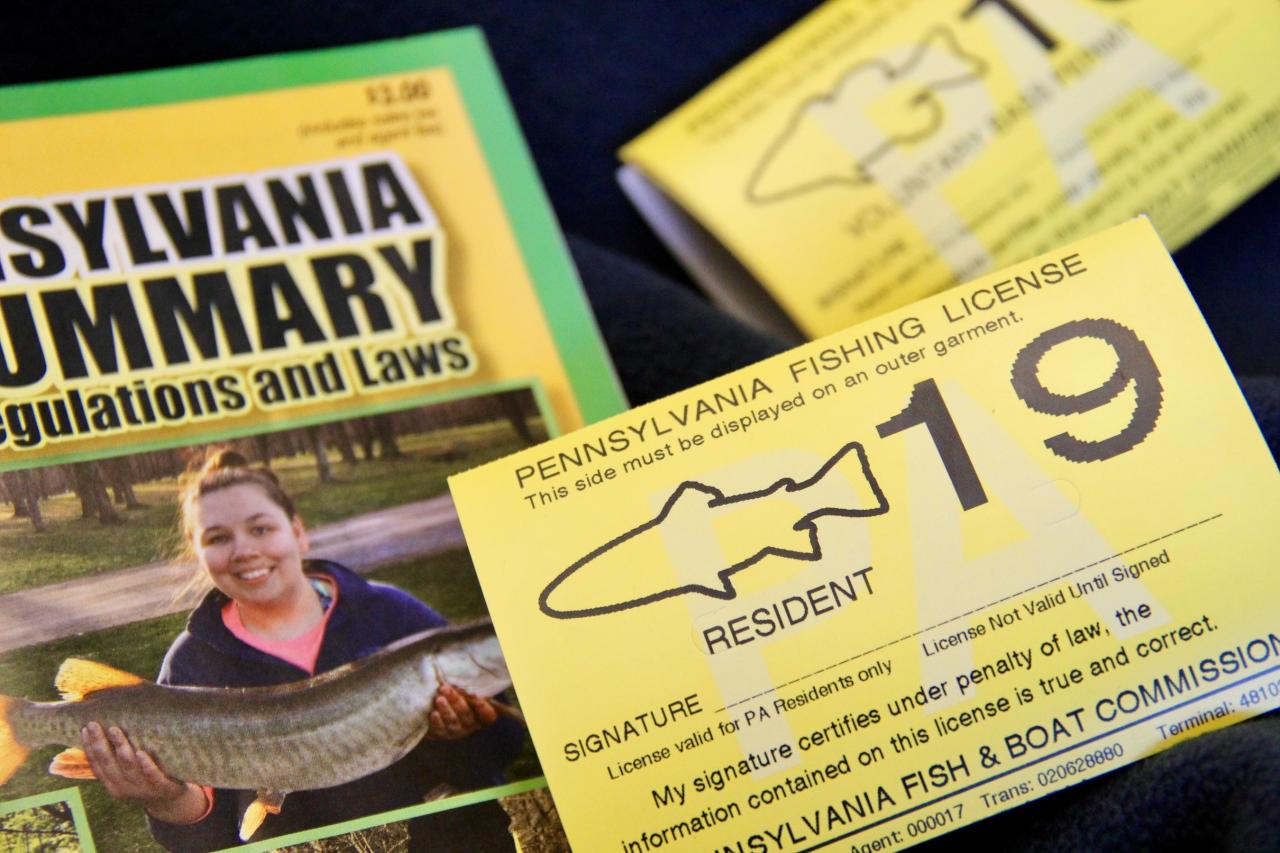
In summary, this guide covers:
- License requirements for residents and non-residents, freshwater and saltwater fishing.
- Fees and validity periods for various license options.
- Where and how to purchase licenses conveniently.
- Regulations and exceptions to be aware of.
- Conservation efforts supported by license fees.
Why You Need a SC Fishing License
Fishing is a beloved pastime in South Carolina, with its diverse waterways teeming with a variety of fish species. However, it’s essential to understand that a valid fishing license is required by law for most anglers. Here’s why obtaining a license is so important:
- Legal Compliance: Fishing without a proper license can result in hefty fines and penalties. A license ensures you're following state regulations.
- Conservation Efforts: A portion of the fees collected from fishing licenses directly funds the South Carolina Department of Natural Resources' (SCDNR) efforts to protect and manage the state's aquatic resources, ensuring a sustainable fishing experience for generations to come.
- Ethical Angling: By purchasing a license, you're contributing to the responsible management of South Carolina's fisheries and demonstrating your commitment to ethical and responsible angling practices.
Who Needs a SC Fishing License?
In South Carolina, most individuals aged 16 and older are required to have a valid fishing license when engaging in recreational fishing activities. However, there are a few exceptions to this rule:
- Children under 16: Kids under the age of 16 can fish without a license in most cases.
- Fishing on licensed piers or vessels: If you're fishing from a licensed public fishing pier or a licensed charter vessel while under hire, you may not need a separate license.
- Disability exemptions: Certain disability exemptions may apply, allowing individuals with qualifying disabilities to fish without a license. Check the SCDNR website for details.
It’s always a good idea to review the latest regulations and exceptions before heading out to fish, as they may change from year to year.
Types of SC Fishing Licenses
South Carolina offers a variety of fishing license options to cater to the needs of both residents and non-residents, as well as those interested in freshwater or saltwater fishing, or a combination of both. Here’s a breakdown of the different license types and their associated fees for 2024:
Resident Fishing Licenses
- Annual Freshwater License: $10
- Annual Saltwater License: $15
- Annual Combination License (Freshwater and Saltwater): $25
- 3-Year Combination License: $75
- 14-Day Temporary Freshwater or Saltwater License: $10
Non-Resident Fishing Licenses
- Annual Freshwater License: $50
- Annual Saltwater License: $75
- Annual Combination License (Freshwater and Saltwater): $125
- 7-Day Temporary Freshwater or Saltwater License: $35
- 1-Day Temporary Freshwater or Saltwater License: $10
Note: To qualify for resident license pricing, you must have been a legal resident of South Carolina for at least 30 consecutive days and be able to provide proof of residency, such as a valid South Carolina driver’s license or identification card.
Penn Battle III Surf Spinning Combo
Purchasing Your SC Fishing License
The SCDNR offers several convenient options for purchasing your fishing license, making it easy to comply with regulations and hit the water quickly.
Online Purchase
The quickest and most convenient way to obtain your fishing license is by purchasing it online through the SCDNR’s Go Outdoors South Carolina portal. Simply create an account or log in, select the appropriate license type, and complete the transaction. You’ll receive a temporary license immediately after purchase, and your official license will be mailed to you.
In-Person Purchase
If you prefer a face-to-face transaction, you can visit one of the many authorized license vendors throughout the state, such as bait and tackle shops, sporting goods stores, or SCDNR regional offices. Be sure to bring a valid form of identification and proof of residency if you’re a South Carolina resident.
Phone Purchase
You can also purchase your fishing license by calling the SCDNR licensing office at 1-866-714-3611. Have your credit card information ready, and a customer service representative will guide you through the process. After the transaction, you’ll receive a confirmation number to serve as your temporary license until your official one arrives in the mail.
Fishing Regulations and Exceptions
While obtaining a fishing license is a crucial step, it’s also important to familiarize yourself with the various regulations and exceptions that govern fishing activities in South Carolina. Here are a few key points to keep in mind:
- Catch Limits: Depending on the species and location, there may be limits on the number and size of fish you can legally catch and keep. These limits are in place to promote sustainable fishing practices and protect fish populations.
- Seasonal Restrictions: Certain areas or waterways may have seasonal restrictions or closures in place to protect spawning fish or sensitive habitats during specific times of the year.
- Special Regulations: Some bodies of water, such as designated trout streams or wildlife management areas, may have additional regulations or requirements in place. Be sure to check for any special rules that apply to your intended fishing location.
- Free Fishing Days: The SCDNR typically offers a few designated "Free Fishing Days" throughout the year, during which residents and non-residents can fish without a license. These dates are a great opportunity to introduce newcomers to the sport or simply enjoy a day of fishing without the need for a license.
To stay up-to-date on the latest regulations and exceptions, be sure to consult the SCDNR’s website or contact their offices before your fishing trip.
Supporting Conservation Efforts
When you purchase a fishing license in South Carolina, a portion of the fees goes directly towards supporting the SCDNR’s efforts to conserve and manage the state’s aquatic resources. These funds are crucial for initiatives such as:
- Habitat Restoration: Restoring and protecting critical habitats like wetlands, oyster reefs, and spawning areas to ensure healthy fish populations.
- Fish Stocking: Replenishing and enhancing fish populations in various waterways through stocking programs.
- Research and Monitoring: Conducting research and monitoring activities to gather data on fish populations, migration patterns, and overall ecosystem health.
- Public Access: Maintaining and improving public access points, boat ramps, and fishing piers to ensure anglers can enjoy the state's waterways.
By obtaining your fishing license, you’re not only complying with regulations but also contributing to the long-term sustainability of South Carolina’s rich fishing heritage.
Freshwater vs. Saltwater Fishing Licenses
Depending on where you plan to fish, you’ll need to choose between a freshwater or saltwater fishing license, or a combination license that covers both. Here’s a quick breakdown of the differences:
Freshwater Fishing Licenses:
- Required for fishing in inland lakes, rivers, streams, and other freshwater bodies.
- Covers species like bass, crappie, catfish, and trout.
Saltwater Fishing Licenses:
- Necessary for fishing in coastal waters, including the Atlantic Ocean, bays, estuaries, and saltwater rivers.
- Covers species like redfish, flounder, sheepshead, and various offshore species.
Combination Licenses:
- Allows you to fish in both freshwater and saltwater areas within South Carolina.
- Provides the flexibility to explore a wider range of fishing opportunities without needing separate licenses.
When purchasing your license, consider the types of fishing you plan to engage in and choose the appropriate option to ensure you’re fully covered.
Frequently Asked Questions
To help address some common queries, here are answers to frequently asked questions about South Carolina fishing licenses:
Q: Do I need a separate license for each family member?
A: Yes, each individual aged 16 and older must have their own valid fishing license, regardless of whether they’re fishing together or separately.
Q: Can I use my fishing license from another state in South Carolina?
A: No, fishing licenses from other states are not valid in South Carolina. You must purchase a South Carolina-specific license to fish legally in the state.
Q: What happens if I’m caught fishing without a license?
A: Fishing without a valid license in South Carolina can result in fines and penalties. The exact amount may vary depending on the circumstances, but it’s best to avoid the risk and ensure you have a proper license before fishing.
Q: Can I get a refund or transfer my license if I don’t use it?
A: Unfortunately, fishing licenses are non-transferable and non-refundable in South Carolina. It’s important to carefully consider your fishing plans before purchasing a license.
Q: Where can I find more information on fishing regulations and limits?
A: The SCDNR website and the annual South Carolina Fishing Rules and Regulations guide are excellent resources for staying up-to-date on the latest regulations, limits, and other important information.