
The Importance of Rhode Island Fishing Licenses
Fishing licenses are more than just a legal requirement; they’re a vital tool for conservation and fisheries management. Every license sold in Rhode Island contributes to funding programs that maintain and improve the state’s aquatic habitats, stock fish, and conduct research to ensure sustainable fishing for generations to come.
As a responsible angler, obtaining the proper license is your way of contributing to the health of Rhode Island’s waters and fish populations. Plus, it’s the law – and trust me, the fines for fishing without a license can put a serious damper on your day out on the water.
Rhode Island Fishing License Requirements
Rhode Island offers separate licenses for freshwater and saltwater fishing. Let’s break down what you need to know about each:
Freshwater Fishing Licenses
- Who needs one: Anglers 15 years and older
- Validity: From date of purchase through the last day of February
- Resident annual license: $21 online, $23 from a vendor
- Non-resident annual license: $38 online, $41 from a vendor
- Non-resident 3-day tourist license: $18 online, $21 from a vendor
Saltwater Fishing Licenses
- Who needs one: Anglers 16 years and older
- Validity: From date of purchase through December 31
- Resident annual license: $7
- Non-resident annual license: $10
- 7-day license (resident or non-resident): $5
Trout Conservation Stamp
If you plan to fish for trout, salmon, or charr in Rhode Island’s freshwaters, you’ll need an additional Trout Conservation Stamp:
- Cost: $5.50 online, $6 from a vendor
- Required for: Keeping or possessing trout, salmon, or charr, as well as fishing in catch-and-release or fly-fishing only areas
How to Obtain Your Rhode Island Fishing License
Getting your hands on a Rhode Island fishing license is easier than ever. Here are your options:
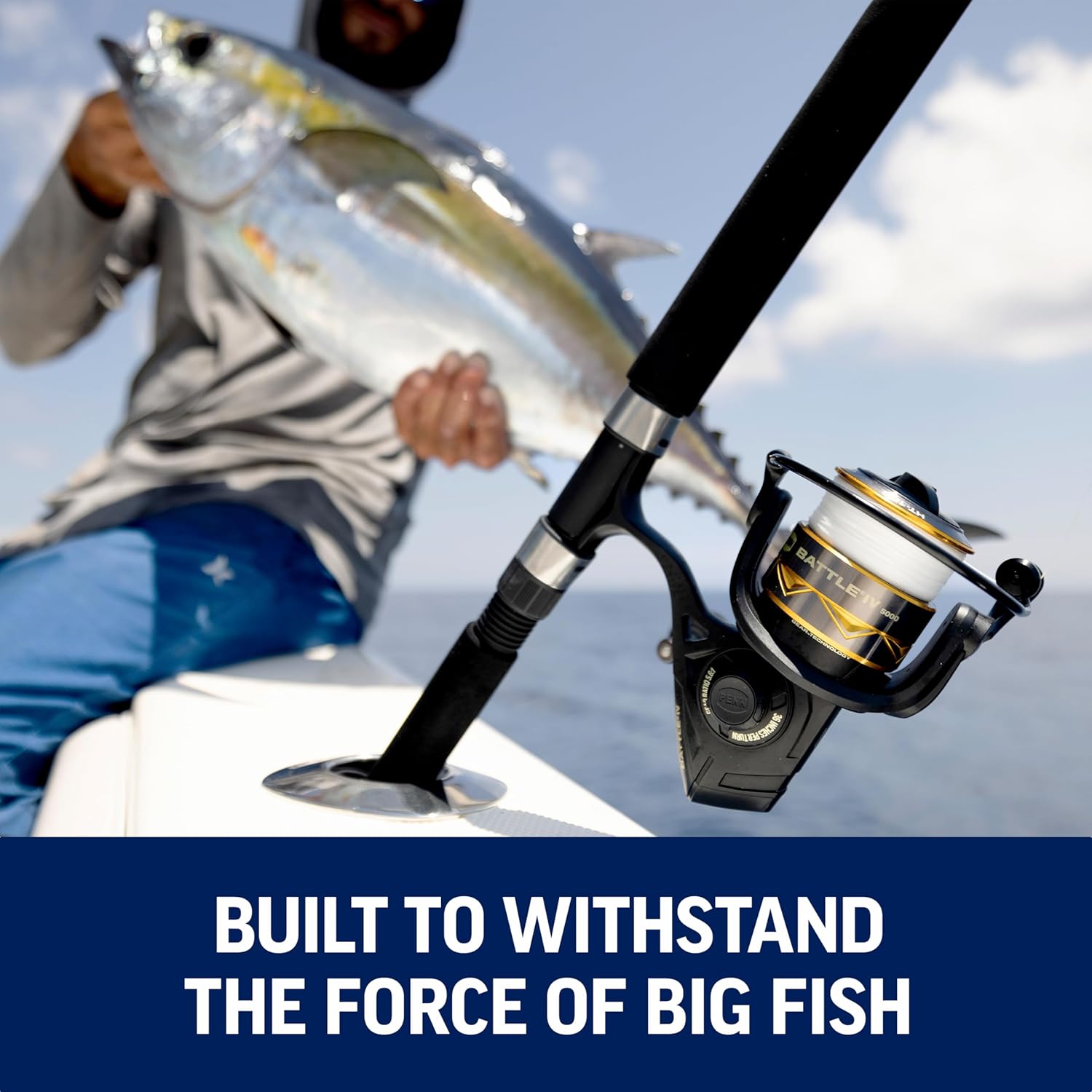
Penn Battle III Surf Spinning Combo
- Online Purchase: Visit the official Rhode Island Outdoors (RIO) website at rio.ri.gov for 24/7 access to license purchases. This is the most convenient option for most anglers.
- In-person at Authorized Vendors: You can purchase your license from various authorized vendors throughout the state, including:
- Bait and tackle shops
- Sporting goods stores
- Some town clerk offices
- DEM Office: Visit the Boating Licensing & Registration Office in Providence for in-person assistance.
Pro Tip: When buying online for the first time, you’ll receive a unique Rhode Island Hunting and Fishing ID (RIHFID). Keep this handy for future license purchases or reprints.
License Reciprocity and Validity Across States
One of the most common questions I get from fellow anglers is whether their home state’s license is valid in Rhode Island. Here’s the scoop:
Saltwater Reciprocity
Rhode Island has reciprocal agreements for saltwater fishing licenses with:
- New York
- Connecticut
- Massachusetts
- Maine
This means if you have a valid saltwater fishing license from one of these states, you can fish in Rhode Island’s marine and federal waters without purchasing a RI license. This reciprocity is a fantastic benefit for anglers who frequently fish in multiple states along the northeastern coast.
Freshwater Reciprocity
Freshwater reciprocity is more limited:
- Connecticut: Reciprocity only for Beach Pond, Killingly Pond, Hazard Pond, and Peck Pond
- Massachusetts: Reciprocity only for Wallum Lake
For all other freshwater bodies, you’ll need a Rhode Island freshwater fishing license.
Special Cases and Exemptions
Rhode Island offers some exemptions and special licenses to make fishing more accessible:
- Seniors: RI residents 65 and older can get a free, permanent freshwater license
- Veterans: Those with 100% disability can obtain a free, permanent license
- Landowners: No license required when fishing on your own property
- Blind individuals: Exempt from license requirements
These exemptions are designed to ensure that fishing remains accessible to all Rhode Islanders, regardless of age or ability.
Practical Tips for Rhode Island Anglers
- Always carry your license: Keep it on you while fishing – game wardens can ask to see it at any time. I recommend taking a photo of your license with your smartphone as a backup.
- Check regulations: Familiarize yourself with size and bag limits, which can change annually. The Rhode Island Fishing Regulations Guide is an excellent resource for up-to-date information.
- Mark your calendar: Licenses expire annually – set a reminder to renew. I like to set a recurring reminder on my phone a few weeks before the expiration date.
- Free Fishing Days: Take advantage of Rhode Island's free fishing weekend in May (typically the first full weekend) to try fishing without a license. This is a great opportunity to introduce friends or family to the sport.
Risks of Non-Compliance
Fishing without a proper license isn’t worth the risk. As someone who’s seen the consequences firsthand, I can tell you that the potential penalties are steep:
- Fines up to $500 per offense
- Possible imprisonment for up to 90 days
- Revocation of fishing privileges
- Confiscation of fishing gear
Remember, each day of illegal fishing can be considered a separate offense, so penalties can add up quickly. It’s always better to play it safe and ensure you have the proper license before casting your line.
Beyond the License: Additional Resources for Rhode Island Anglers
To make the most of your Rhode Island fishing experience, here are some valuable resources:
- Download the Regulations Guide: Get the latest Rhode Island Fishing Regulations Guide for up-to-date rules and limits. This comprehensive guide is a must-have for any serious angler in the state.
- Check stocking reports: The DEM regularly updates trout stocking information. Knowing when and where fish are stocked can significantly improve your chances of a successful outing.
- Join local fishing groups: Connect with fellow anglers through organizations like the Rhode Island Saltwater Anglers Association. These groups often offer valuable insights, fishing reports, and even organized fishing trips.
- Explore fishing spots: Use the interactive map of trout-stocked locations to find great fishing spots throughout the state.
- Recreational fishing in Rhode Island generates over $400 million in economic output annually.
- The industry supports more than 4,000 jobs in the state.
- Fishing license sales contribute millions of dollars to conservation efforts each year.
By purchasing a fishing license, you’re not only gaining access to Rhode Island’s fantastic fishing opportunities but also supporting local businesses and conservation efforts.
Conservation Efforts and the Role of Fishing Licenses
The funds generated from fishing license sales play a crucial role in conservation efforts across Rhode Island. Here are some of the key initiatives supported by license revenues:
- Habitat Restoration: Projects to improve fish habitats in rivers, lakes, and coastal areas.
- Fish Stocking Programs: Regular stocking of popular game fish species to maintain healthy populations.
- Research and Monitoring: Scientific studies to assess fish populations and inform management decisions.
- Education Programs: Initiatives to teach the public about responsible fishing practices and conservation.
By purchasing a license, you’re directly contributing to these efforts, ensuring that Rhode Island’s fisheries remain healthy and productive for years to come.
Fishing Opportunities in Rhode Island
Rhode Island offers a diverse array of fishing opportunities for anglers of all skill levels. Here are some of the top fishing experiences you can enjoy with your license:
Saltwater Fishing
- Striped Bass: The state's most popular game fish, found along the coast and in Narragansett Bay.
- Bluefish: Known for their aggressive fights, bluefish are abundant in Rhode Island waters during the summer months.
- Fluke (Summer Flounder): A favorite among both recreational and commercial fishermen, fluke can be found in coastal waters and estuaries.
- Tautog (Blackfish): These structure-loving fish are a challenge to catch and a delicacy on the dinner table.
Freshwater Fishing
- Trout: Rhode Island's stocking program ensures ample opportunities for rainbow, brown, and brook trout fishing.
- Largemouth and Smallmouth Bass: Many of the state's ponds and lakes offer excellent bass fishing.
- Northern Pike: Some Rhode Island waters are stocked with these exciting predatory fish.
- Panfish: Bluegill, pumpkinseed, and yellow perch are abundant in many freshwater bodies.