
Understanding Maryland Fishing Licenses
Before we dive into the specifics of Lake Anna, let’s get a clear picture of Maryland’s fishing license structure. Maryland offers a variety of licenses to suit different angler needs and fishing locations.
Types of Maryland Fishing Licenses:
- Resident Nontidal (Freshwater) License
- Resident Chesapeake Bay and Coastal Sport Fishing License
- Nonresident Nontidal (Freshwater) License
- Nonresident Chesapeake Bay and Coastal Sport Fishing License
- Short-term licenses (3-day, 7-day options available)
- Trout Stamp (required for catching or possessing trout)
Maryland fishing licenses are valid for 365 days from the date of purchase, giving you flexibility in when you buy your license. Prices vary depending on residency status and the type of license, with resident licenses typically being more affordable.
Key Points for Maryland Anglers:
- Residents under 16 and over 65 may be eligible for discounted or free licenses
- A trout stamp is required in addition to your license if you plan to fish for trout
- Licenses can be purchased online, at tackle shops, or at Maryland Department of Natural Resources (DNR) service centers
Lake Anna: A Virginia Gem
Now, let’s address the main question at hand: Does your Maryland fishing license cover Lake Anna? The short answer is no, and here’s why:
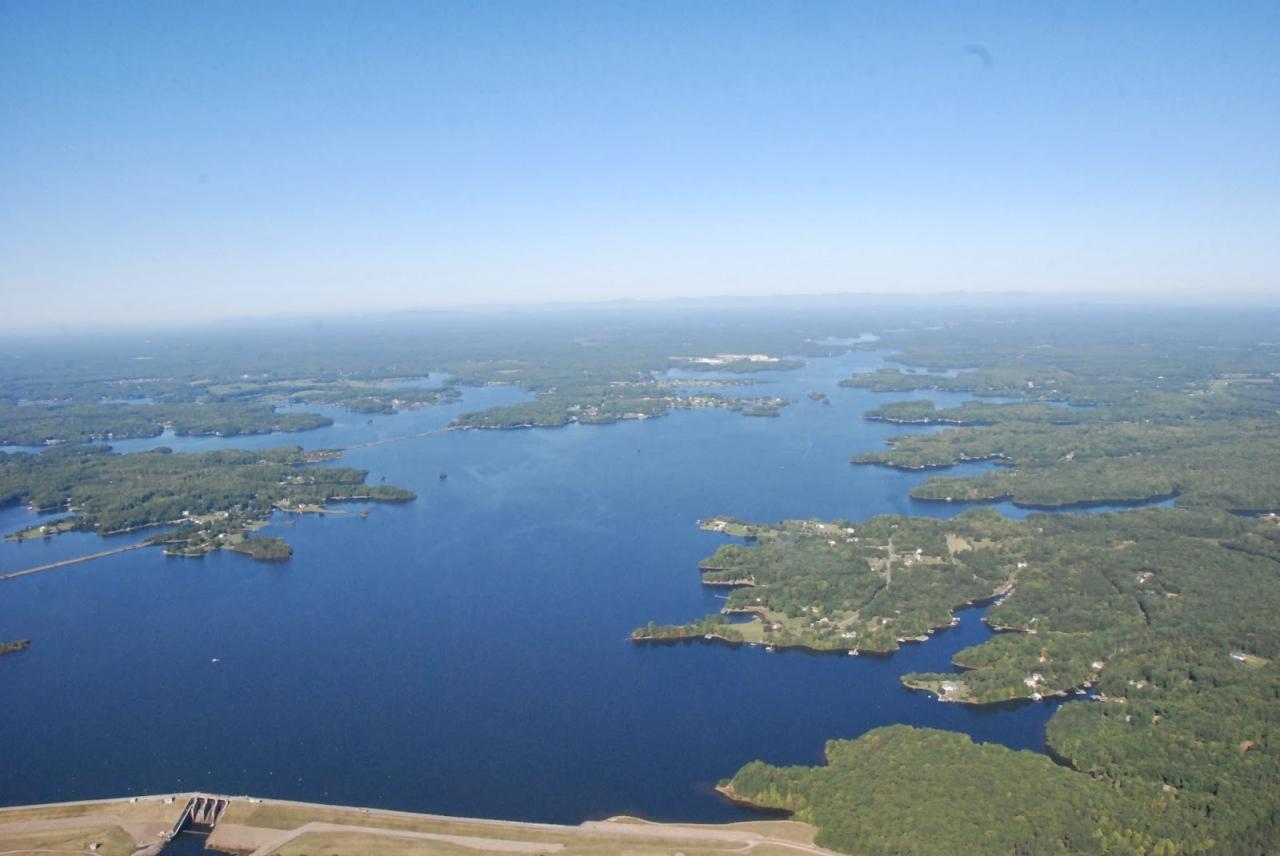
Lake Anna is located entirely within the state of Virginia. As such, it falls under Virginia’s fishing regulations and licensing requirements. This means that regardless of whether you have a Maryland fishing license, you’ll need a valid Virginia fishing license to fish in Lake Anna legally.
Virginia Fishing License Requirements for Lake Anna:
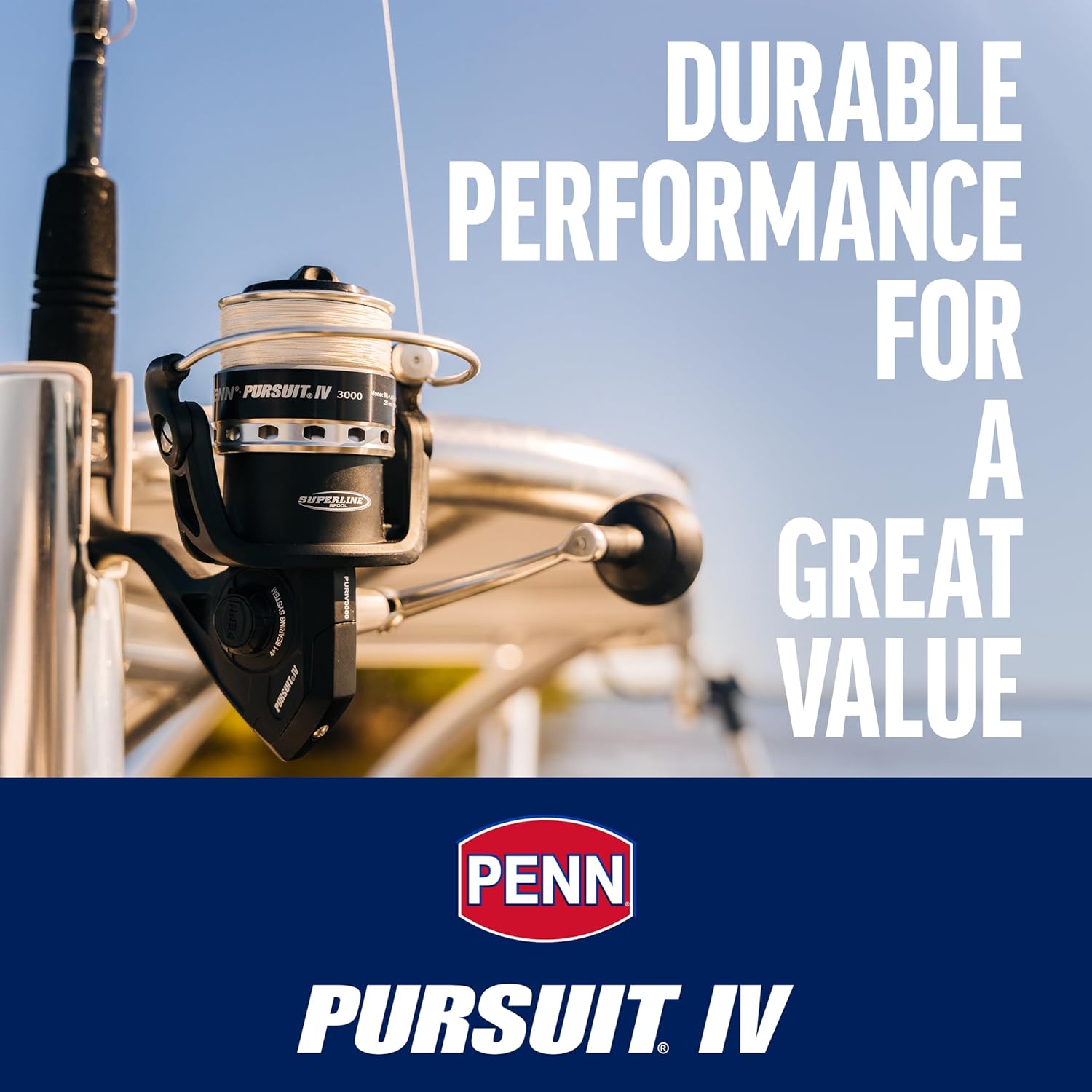
Penn Pursuit IV Spinning Combo
- Resident or nonresident Virginia freshwater fishing license
- Trout license may be required if fishing for trout (though Lake Anna is not known for trout fishing)
- Licenses are available for purchase online or at authorized retailers in Virginia
Reciprocal Agreements: When Your Maryland License Works in Virginia
While your Maryland license doesn’t cover Lake Anna, there are situations where Maryland and Virginia have reciprocal agreements. These primarily apply to the Potomac River, which forms part of the border between the two states.
Potomac River Reciprocity:
- Maryland residents with a valid Maryland fishing license can fish from the Virginia banks of the Potomac River
- Virginia residents with a valid Virginia license can fish from the Maryland banks of the Potomac River
- This reciprocity applies to the main stem of the Potomac River only, not its tributaries
It’s important to note that this reciprocal agreement does not extend to inland waters like Lake Anna. Always check the specific regulations for the body of water you plan to fish.
Practical Tips for Fishing Lake Anna
If you’re planning a trip to Lake Anna, here are some practical steps to ensure you’re fishing legally and responsibly:
- Purchase a Virginia Fishing License: Buy your license online through the Virginia Department of Wildlife Resources website or at a local retailer near Lake Anna.
- Understand Lake Anna Regulations: Familiarize yourself with specific regulations for Lake Anna, including catch limits and size restrictions.
- Carry Your License: Always have your physical license or a digital copy on your person while fishing.
- Check for Special Regulations: Some areas of Lake Anna may have special regulations, particularly near the power plant. Be aware of any restricted areas.
- Stay Informed About Seasonal Changes: Fishing regulations can change seasonally, so check for updates before your trip.
Common Questions About Fishing Licenses
Q: Do I need a fishing license to fish in Ocean City, MD?
A: Yes, you need a Maryland Chesapeake Bay and Coastal Sport Fishing License to fish in the ocean waters off Ocean City, MD. This includes fishing from the beach, piers, or boats in the Atlantic Ocean.
Q: Can I use my Maryland fishing license in Virginia waters other than the Potomac River?
A: No, your Maryland fishing license is not valid for other Virginia waters. You’ll need to purchase a Virginia nonresident fishing license for inland waters like Lake Anna.
Q: Are there any exceptions to needing a fishing license in Virginia?
A: Yes, Virginia offers free fishing days (usually in June) where anyone can fish without a license. Additionally, residents under 16 and some disabled veterans may be exempt from license requirements.
Conservation and the Importance of Fishing Licenses
Understanding and complying with fishing license requirements is more than just following the law—it’s a crucial part of conservation efforts. Here’s why your fishing license matters:
- Funding Conservation: Revenue from fishing licenses directly supports fish stocking programs, habitat restoration, and research.
- Resource Management: Licensing helps wildlife agencies track fishing activity and manage fish populations sustainably.
- Access Improvements: License fees contribute to the maintenance and improvement of fishing access points and facilities.
By purchasing the correct license for where you’re fishing, whether it’s in Maryland, at Lake Anna in Virginia, or elsewhere, you’re actively contributing to the preservation of aquatic ecosystems and ensuring future generations can enjoy fishing as much as we do today.
Staying Compliant Across State Lines
For anglers who frequently fish in both Maryland and Virginia, navigating the different state requirements can be challenging. Here are some tips to help you stay compliant:
- Consider Multi-State Options: If you often fish in both states, it may be more cost-effective to purchase nonresident licenses for both Maryland and Virginia.
- Use License Apps: Many states, including Virginia, offer smartphone apps that store digital copies of your license, making it easy to keep track of multiple licenses.
- Set Renewal Reminders: Mark your calendar or set phone reminders for when your licenses expire to ensure continuous coverage.
- Research Reciprocal Agreements: Before fishing in border areas, double-check the current reciprocal agreements between states.
Technology and Fishing Licenses
Embracing technology can simplify your fishing license management:
- Online Purchasing: Both Maryland and Virginia offer online license purchasing systems, allowing you to buy or renew licenses from home.
- Digital Licenses: Many states now accept digital copies of licenses, which can be stored on your smartphone for easy access.
- Fishing Apps: Some fishing apps not only help you track your catches but also provide up-to-date information on licensing requirements and regulations for different water bodies.
- Assuming License Validity Across State Lines: Always verify that your license is valid for the specific water you're fishing in.
- Forgetting to Carry Your License: Whether physical or digital, always have your license with you while fishing.
- Overlooking Additional Stamps or Permits: Some fish species or fishing methods may require additional permits beyond the basic fishing license.
- Misunderstanding Reciprocal Agreements: Don't assume reciprocity applies to all waters shared by two states.
- Ignoring License Expiration Dates: Mark your calendar to renew your license on time.