
Fishing is a popular recreational activity in Massachusetts, with abundant opportunities across the state’s freshwater lakes, ponds, rivers, and marine waters. Anglers looking to enjoy the state’s fisheries must understand the licensing requirements, regulations, and conservation measures in place to preserve fish populations. This guide covers key aspects of legally and responsibly fishing in Massachusetts.
Freshwater Fishing Licenses
Anglers ages 15 years or older need a license to fish in freshwater. Licenses are available through the MassFishHunt system online, by phone, mail, or in person.
- Residents ages 15–17 and 70+ fish for free.
- The annual resident license is $29.50. Includes a $5 Wildlands Stamp on the first purchase.
- A non-resident license is $39.50.
- 3-day non-resident license is $23.30.
Reciprocity agreements allow license validity in bordering states under certain conditions.
Saltwater Fishing Permits
A saltwater permit is required for ages 16 and older. The annual fee is $10 for those under 60 and free for those 60 and older. Obtain it online through MassFishHunt or in person.
Reciprocity agreements with neighboring states allow permits to be valid under specific conditions.
Freshwater Regulations and Seasons
Seasons, limits and size restrictions help conserve fish populations. Examples:
- Trout: open year-round, 8 fish daily limit, no size limit.
- Bass: open year-round, 5 fish daily limit, 12 inch minimum.
- Crappie: open year-round, 25 fish daily limit, no size limit.
Additional regulations may apply to specific waters.
Saltwater Regulations and Seasons
Seasons, possession limits and size restrictions aim to ensure sustainability. Examples:
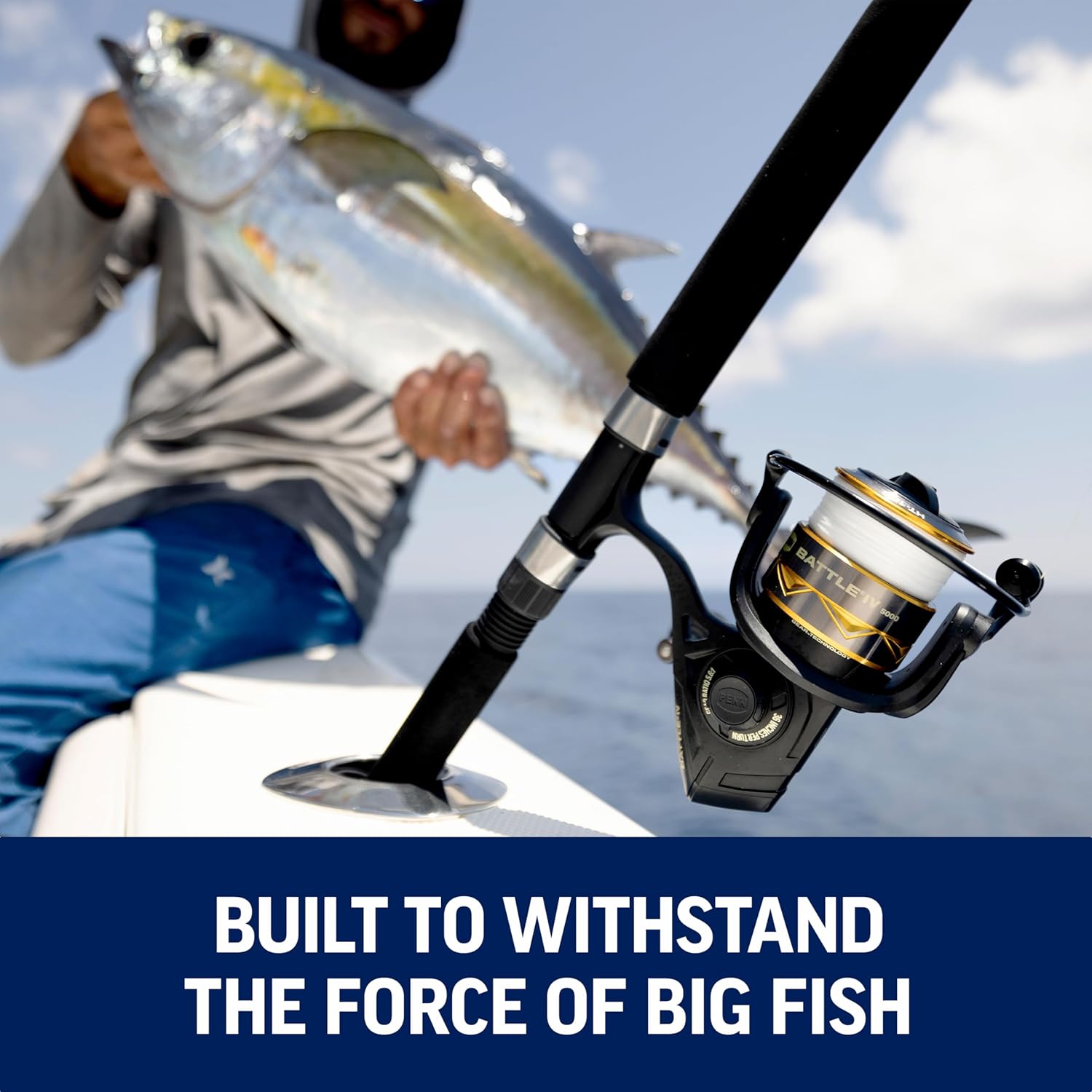
Penn Battle III Surf Spinning Combo
- Striped Bass: Open year-round, 1 fish daily limit, 28-31 inch slot limit.
- Bluefish: open year-round, 10 fish daily limit, no size limit.
- Fluke: See the site for current regulations.
Specific regulations also apply to federal waters.
Conservation and Ethical Angling
Fishing license sales support conservation efforts for habitats and fish populations. Practicing ethical catch and release helps ensure the future of recreational fishing.