
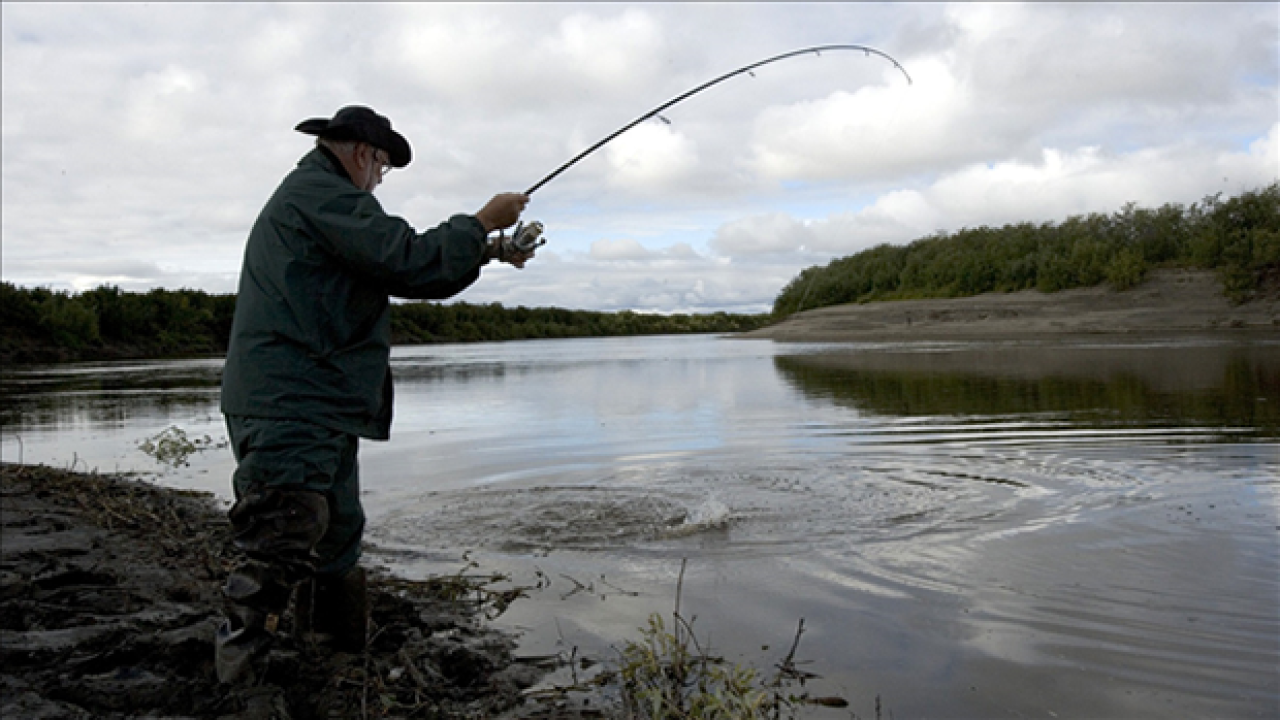
Why You Need a Maine Freshwater Fishing License
A fishing license is more than just a legal requirement; it’s an investment in the future of Maine’s fisheries. The money generated from license sales goes directly toward conservation efforts, including stocking programs, habitat restoration, and research projects. By purchasing a license, you’re helping to ensure that Maine’s waters remain healthy and productive for generations to come.
In addition to supporting conservation, a fishing license grants you access to some of the best freshwater fishing in the country. Maine is home to a wide variety of game fish, including brook trout, landlocked salmon, smallmouth bass, and northern pike. With a valid license, you can explore the state’s diverse waterways and experience the thrill of landing a fish in its natural habitat.
Who Needs a License?
In Maine, anyone 16 years of age or older must have a valid fishing license to fish in inland waters. This includes both residents and non-residents. There are a few exceptions to this rule, such as:
- Children under 16 years of age
- Maine residents who are 70 years of age or older
- Maine residents who are blind
- Maine residents who are disabled veterans with a service-connected disability of 50% or more
If you fall into one of these categories, you may be eligible for a free or reduced-cost license. Check with the Maine Department of Inland Fisheries and Wildlife for more information.
Types of Licenses
Maine offers a variety of fishing licenses to suit your needs and budget. Here are the most common types of licenses:
- Resident Fishing License: Available to Maine residents 16 years of age or older. Cost: $25 for an annual license.
- Non-Resident Fishing License: Available to non-residents 16 years of age or older. Cost: $64 for an annual license, $43 for a 7-day license, $23 for a 3-day license, or $11 for a 1-day license.
- Combination Fishing and Hunting License: Available to both residents and non-residents. Allows you to fish and hunt with a single license. Cost: $43 for residents, $150 for non-residents.
- Lifetime License: Available to both residents and non-residents. Provides lifetime fishing privileges in Maine. Cost varies based on age.
How to Get Your License
Getting your Maine Freshwater Fishing License is easy and convenient. You have several options:
- Online: Visit the Maine Department of Inland Fisheries and Wildlife website at www.maine.gov/ifw. Click on the "Buy Your License Online" link and follow the prompts to purchase your license. You can print your license immediately after purchase.
- In Person: Visit any licensed agent, such as a sporting goods store, bait shop, or town office. You can find a list of agents on the Maine Department of Inland Fisheries and Wildlife website.
- By Phone: Call the Maine Department of Inland Fisheries and Wildlife at 207-287-8000 to purchase your license over the phone. You will need to provide your personal information and payment details.
When purchasing your license, you will need to provide your personal information, including your name, address, date of birth, and driver’s license number. You will also need to pay the appropriate fee based on the type of license you are purchasing.
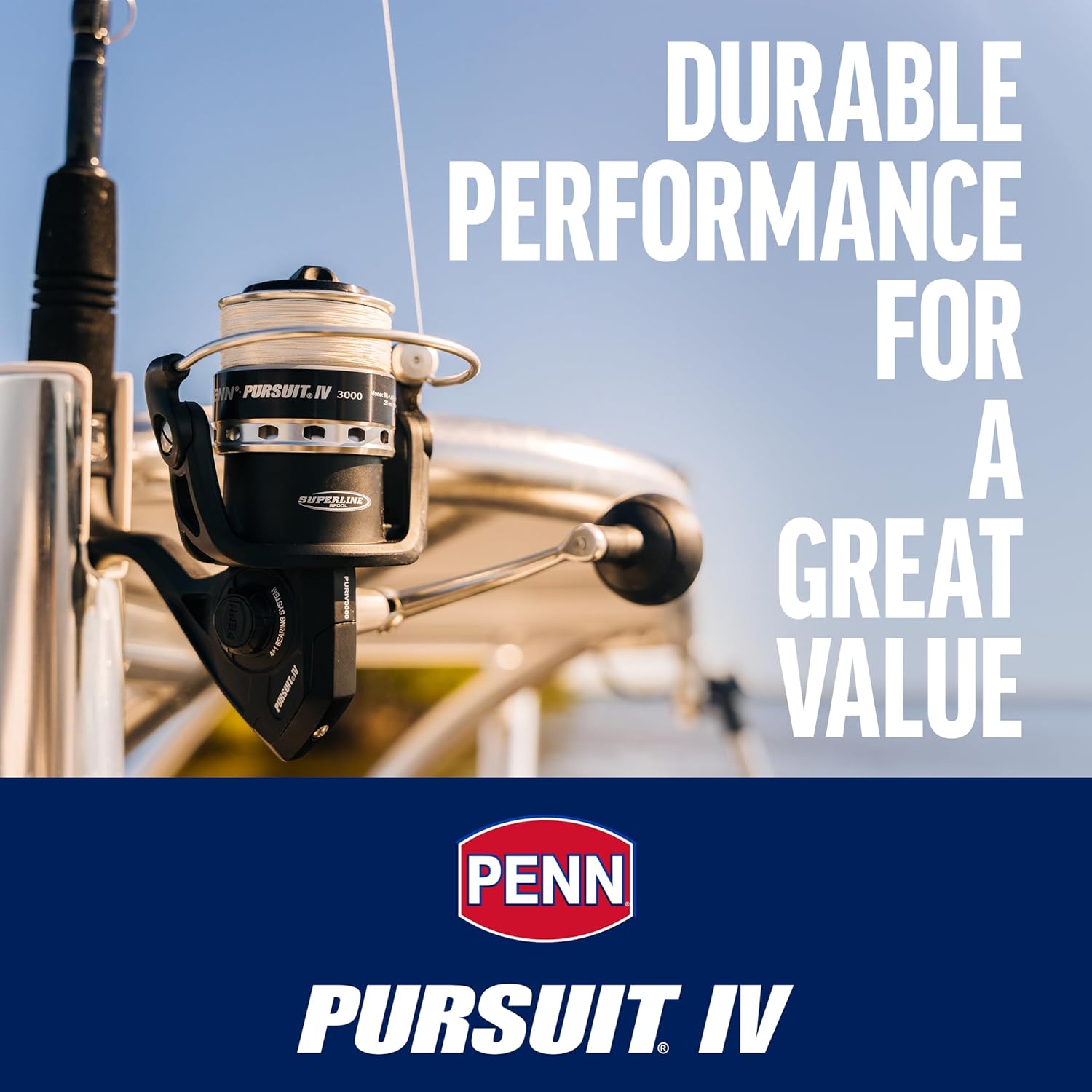
Penn Pursuit IV Spinning Combo
Fishing Regulations
In addition to obtaining a valid fishing license, it’s important to familiarize yourself with Maine’s fishing regulations. These regulations are in place to protect fish populations and ensure fair and sustainable fishing practices. Here are some key regulations to keep in mind:
- Bag Limits: Each species of fish has a daily bag limit, which is the number of fish you can keep in a single day. Make sure to check the regulations for the specific body of water you are fishing.
- Size Limits: Many species of fish have minimum size limits, which means you can only keep fish that meet or exceed a certain length. These limits help to protect juvenile fish and ensure healthy populations.
- Seasons: Some bodies of water have specific fishing seasons, during which certain species of fish can be caught. Make sure to check the regulations for the body of water you plan to fish.
- Gear Restrictions: Some bodies of water have restrictions on the type of gear you can use, such as artificial lures only or fly fishing only. Make sure to check the regulations before you head out.
Failure to comply with these regulations can result in fines and other penalties. It’s important to take the time to review the regulations and follow them closely to avoid any legal issues.
Resources
If you’re new to fishing in Maine or just looking for more information, there are plenty of resources available to help you get started. Here are a few of my favorites:
- Maine Department of Inland Fisheries and Wildlife: The official website of the Maine Department of Inland Fisheries and Wildlife is a great resource for all things related to fishing in Maine. You can find information on licenses, regulations, stocking reports, and more.
- Maine Fishing Guide: This comprehensive guide covers everything you need to know about fishing in Maine, from the best spots to the top techniques. It's available in print and online.
- Maine Audubon: Maine Audubon is a non-profit organization dedicated to wildlife conservation and education. They offer a variety of programs and events related to fishing and outdoor recreation.
- Local Fishing Clubs: Joining a local fishing club is a great way to meet other anglers, learn new techniques, and discover new fishing spots. Check with your local bait shop or sporting goods store for information on clubs in your area.