
Why Fishing Licenses Matter
Fishing licenses are more than just a legal requirement; they play a crucial role in conservation efforts. The fees collected from license sales directly fund wildlife management, habitat restoration, and educational programs. By purchasing a license, you’re not only following the law but also investing in the future of our nation’s fisheries.
State-by-State Fishing License Requirements
While fishing license laws vary by state, there are some general guidelines to keep in mind:
Age Requirements
In most states, anglers aged 16 and older need a valid fishing license. Some states offer free or discounted licenses for children, seniors, and disabled individuals. For example, in Texas, residents aged 65 and older can obtain a Senior Resident Fishing License at a discounted rate.
Residency
Residents and non-residents often have different license options and fees. Be sure to check the requirements for your state and the state where you plan to fish. In Florida, residents can purchase an annual freshwater fishing license for $17, while non-residents pay $47 for the same license.
Freshwater vs. Saltwater
Many states have separate licenses for freshwater and saltwater fishing. If you plan to fish in both, you may need to purchase a combination license. In California, anglers can choose between a freshwater, saltwater, or combination license, depending on their fishing plans.
Duration
Fishing licenses can be valid for a single day, a few days, a year, or even a lifetime. Choose the option that best suits your fishing plans. In New York, anglers can purchase a 1-day, 7-day, annual, or lifetime fishing license.
Legal Consequences of Fishing Without a License
Getting caught fishing without a valid license can result in serious legal consequences, including:
- Fines: Depending on the state and the severity of the offense, fines for fishing without a license can range from $50 to over $1,000.
- Court Appearances: In some cases, you may be required to appear in court to answer for your violation, which can be time-consuming and stressful.
- Gear Seizure: Conservation officers may seize your fishing gear, including rods, reels, and tackle, if you’re caught fishing without a license.
- Jail Time: While rare, repeat offenders or those with aggravating circumstances may face jail time for fishing without a license.
How to Obtain a Fishing License
Obtaining a fishing license is a simple process that can be completed online or in person:
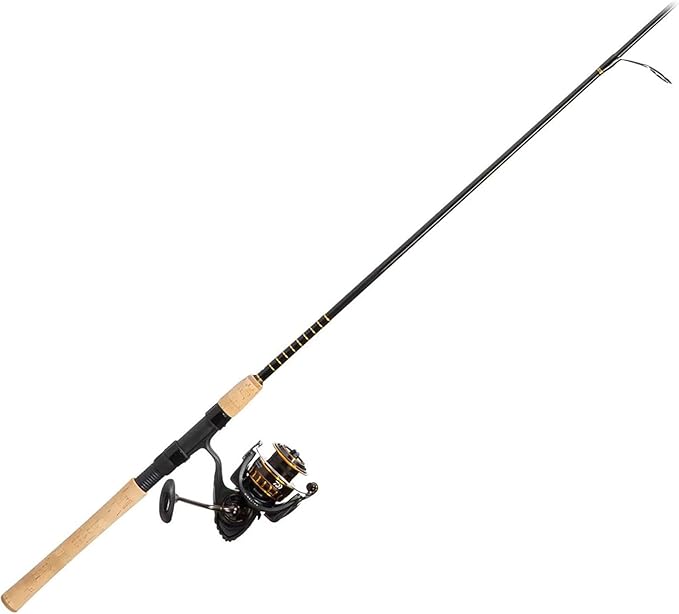
Daiwa BG Spinning Combo
Online
Most states allow anglers to purchase fishing licenses online through their fish and wildlife agency website. You’ll need to provide some basic information, such as your name, address, and date of birth, and pay the required fee. Once your purchase is complete, you can print out a temporary license to use until your official license arrives in the mail.
In Person
Fishing licenses can also be purchased in person at various locations, including:
- Bait and tackle shops
- Sporting goods stores
- Walmart and other large retailers
- State fish and wildlife agency offices
When purchasing a license in person, be prepared to provide identification and pay the required fee.
Frequently Asked Questions About Fishing Licenses
Do I need a fishing license if I’m fishing on private property?
In most cases, yes. Even if you’re fishing on private property, you’ll still need a valid fishing license unless the waterbody is entirely self-contained and does not connect to any public waters.
Do I need a fishing license if I’m fishing on a charter boat?
In most states, if you’re fishing on a licensed charter boat, you do not need an individual fishing license. However, it’s always best to check with the charter company or your state’s fish and wildlife agency to confirm the requirements.
Can I use my fishing license in other states?
No, fishing licenses are state-specific and are not valid in other states. If you plan to fish in multiple states, you’ll need to obtain a license for each state where you intend to fish.
What happens if I lose my fishing license?
If you lose your fishing license, you can usually obtain a replacement through your state’s fish and wildlife agency website or by visiting a license vendor in person. There may be a small fee for the replacement license.