
The Importance of Fishing Licenses
Fishing licenses are more than just legal requirements; they are a testament to your commitment to preserving the natural beauty and biodiversity of Texas’s waterways. By purchasing a license, you contribute to the funding of various conservation efforts, such as fish stocking programs, habitat restoration, and research initiatives. These efforts ensure a sustainable future for recreational fishing, allowing you and future generations to enjoy the thrill of the catch for years to come.
Age Limits: When Do You Need a Fishing License in Texas?
In Texas, the age requirement for obtaining a fishing license is straightforward: anyone 17 years of age or older must have a valid fishing license to fish in public waters . This rule applies to both residents and non-residents alike, ensuring a level playing field for all anglers.
Exceptions to the Age Limit Rule
Like any good rule, there are a few exceptions to the age limit for fishing licenses in Texas. These exceptions are designed to accommodate specific groups and situations, ensuring that fishing remains accessible to all.
- Senior Exemption: Texas residents born before January 1, 1931, are exempt from the fishing license requirement . This exemption recognizes the contributions of our elders and allows them to continue enjoying their beloved pastime without additional costs.
- Disability Exemption: Individuals with an intellectual disability can fish without a license if they are part of a medically approved therapy program under supervision or if fishing under the direct supervision of a licensed angler who is a family member .
- State Park Exemption: No fishing license is required when fishing from banks or piers within Texas State Parks . This encourages families and individuals to explore the state's natural beauty while enjoying recreational fishing.
- Free Fishing Day: On the annual Free Fishing Day in Texas (the first Saturday in June), a license is not required for anyone to fish . This special day aims to introduce more people to the joys of fishing and promote the sport's accessibility.
These exceptions serve as real-world examples of how fishing regulations can be tailored to accommodate different groups and situations, ensuring that the sport remains inclusive and accessible to all.
Obtaining a Texas Fishing License
Now that you understand the age limits and exceptions, let’s explore how to obtain a Texas fishing license. The process is straightforward and can be completed through various channels, including:
- Online: Visit the official Texas Parks and Wildlife Department (TPWD) website tpwd.texas.gov to purchase your license online . This convenient option allows you to secure your license from the comfort of your home or on-the-go.
- By Phone: Call the TPWD's toll-free number to purchase your license over the phone .
- Retail Outlets: Visit any of the numerous retailers across the state that sell fishing licenses, such as sporting goods stores, bait shops, and some convenience stores .
Regardless of the method you choose, be prepared to provide proof of residency and age, as well as any necessary documentation for claiming exemptions or discounts.
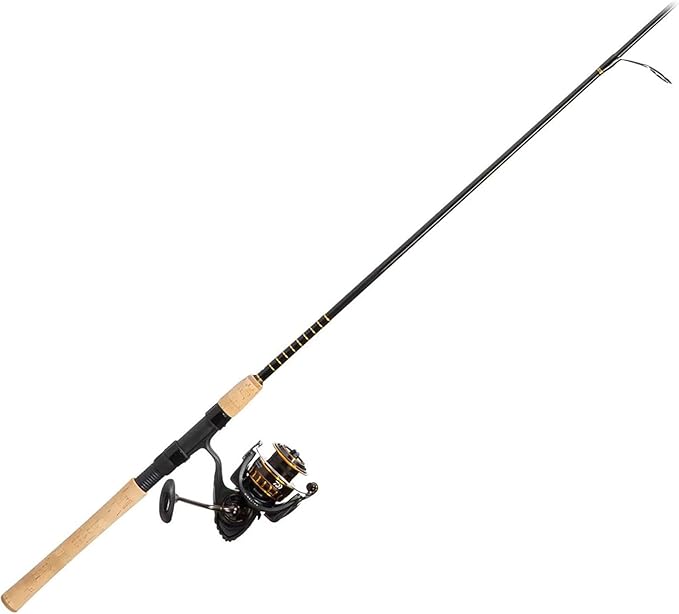
Daiwa BG Spinning Combo
Types of Texas Fishing Licenses
Texas offers various fishing license options to cater to different needs and preferences. Here are some of the most common types:
- Freshwater Fishing License: This license allows you to fish in the state's lakes, rivers, and other freshwater bodies .
- Saltwater Fishing License: If you plan to fish in the coastal waters of Texas, you'll need a saltwater fishing license .
- All-Water Fishing License: This package combines both freshwater and saltwater fishing privileges, providing you with the flexibility to explore all of Texas's diverse fishing opportunities .
- One-Day Fishing License: For those planning a short fishing excursion, Texas offers a one-day fishing license option, allowing you to enjoy the sport without committing to an annual license .
- Lifetime Fishing License: Avid anglers who plan to fish in Texas for many years can opt for a lifetime fishing license, which offers significant savings and convenience in the long run .
Impact on the Fishing Industry and Conservation Efforts
The age limits and fishing license requirements in Texas play a crucial role in supporting the state’s fishing industry and conservation efforts. Here’s how:
- Sustainable Funding: The revenue generated from fishing license sales provides a steady stream of funding for various conservation initiatives, such as fish stocking programs, habitat restoration, and research studies . This funding ensures that Texas's waterways remain healthy and teeming with diverse fish populations, benefiting both recreational anglers and the fishing industry as a whole.
- Responsible Angling: By requiring licenses and educating anglers about regulations, the state promotes responsible fishing practices. This includes adhering to bag limits, size restrictions, and catch-and-release guidelines, which help maintain a balance between recreational fishing and the long-term sustainability of fish populations .
- Data Collection: The licensing process allows the TPWD to gather valuable data on fishing participation, preferences, and trends . This information is crucial for making informed decisions about resource management, stocking strategies, and the development of new fishing opportunities.
- Promoting Accessibility: The age limit exceptions and programs like Free Fishing Day encourage more people, especially younger generations, to experience the joys of fishing . By fostering a love for the sport from an early age, these initiatives help ensure a future for the fishing industry and a continued appreciation for conservation efforts.
Just as a well-maintained fishing rod and reel are essential for a successful angling experience, the age limits and licensing requirements in Texas serve as vital tools for preserving the state’s rich fishing heritage and ensuring its longevity for generations to come.