
To get a temporary fishing license in Long Island, you’ll need to choose between a 1-day or 7-day license, depending on your needs. As of 2024, residents can purchase a 1-day license for $5 or a 7-day license for $12, while non-residents pay $10 for a 1-day license or $28 for a 7-day license. These can be obtained online through the New York State Department of Environmental Conservation (NYSDEC) website, by phone, or at authorized license-issuing agents throughout Long Island.
Main Aspects of Getting a Temporary Fishing License in Long Island 2024
Types of Temporary Licenses Available
Long Island offers two main types of temporary fishing licenses for 2024:
- 1-Day License: Ideal for those planning a single day of fishing, perfect for spontaneous trips or tourists with limited time.
- 7-Day License: Suitable for visitors or residents planning a week-long fishing trip or vacation.
Both license types cover freshwater and saltwater fishing, providing flexibility for anglers to explore various fishing spots across Long Island.
Online Application Process
The most convenient way to obtain your temporary license is through the NYSDEC website. Here’s a detailed step-by-step guide:
- Visit the official NYSDEC fishing license page at https://decals.licensing.east.kalkomey.com/.
- Click on "Purchase a License" and select "Fishing" from the license options.
- Choose either the 1-day or 7-day temporary license.
- Provide required personal information, including your name, address, and date of birth.
- Answer questions about your residency status and any previous licenses.
- Review your selection and proceed to payment.
- Complete the payment using a credit or debit card.
- Once payment is processed, you'll receive a confirmation page with your license number.
- Print your temporary license or save it on your mobile device for immediate use.
Note: The online system may experience high traffic during peak fishing seasons. It’s advisable to apply for your license well in advance of your planned fishing trip.
In-Person and Phone Options
For those who prefer alternative methods or need assistance:
- In-Person: Visit an authorized license-issuing agent in Long Island. These include many sporting goods stores, town clerks' offices, and some bait and tackle shops. A full list of agents can be found on the NYSDEC website.
- By Phone: Call the NYSDEC licensing hotline at 1-866-933-2257. The hotline is available Monday through Friday from 8:30 AM to 4:30 PM ET.
Key Information for Readers
Age and Residency Requirements
- Age Limit: Individuals 16 years and older must have a fishing license. Those under 16 can fish for free but must adhere to all fishing regulations.
- Residency: New York State residents are defined as those who have lived in the state for more than 30 days prior to purchasing a license. Proof of residency may be required and can include a NY State driver's license, tax return, or voter registration.
Fishing Regulations
Fishing regulations in Long Island can be complex due to the diverse ecosystems and fish species present. Here are some key points:
- Freshwater vs. Saltwater: Different rules apply depending on where you're fishing. The marine and coastal district boundary is generally where salt water meets fresh water.
- Catch Limits: Daily catch limits vary by species. For example, as of 2024:
- Striped Bass: 1 fish per day, minimum size 28 inches
- Bluefish: 3 fish per day for private anglers, 5 fish for charter/party boats
- Summer Flounder (Fluke): 4 fish per day, minimum size 19 inches
- Seasonal Restrictions: Many species have specific open seasons. For instance, the recreational Striped Bass season typically runs from April 15 to December 15.
- Protected Species: Some species, like Atlantic Sturgeon, are protected and must be immediately released if caught.
Always check the latest NYSDEC fishing regulations before your trip, as rules can change annually.
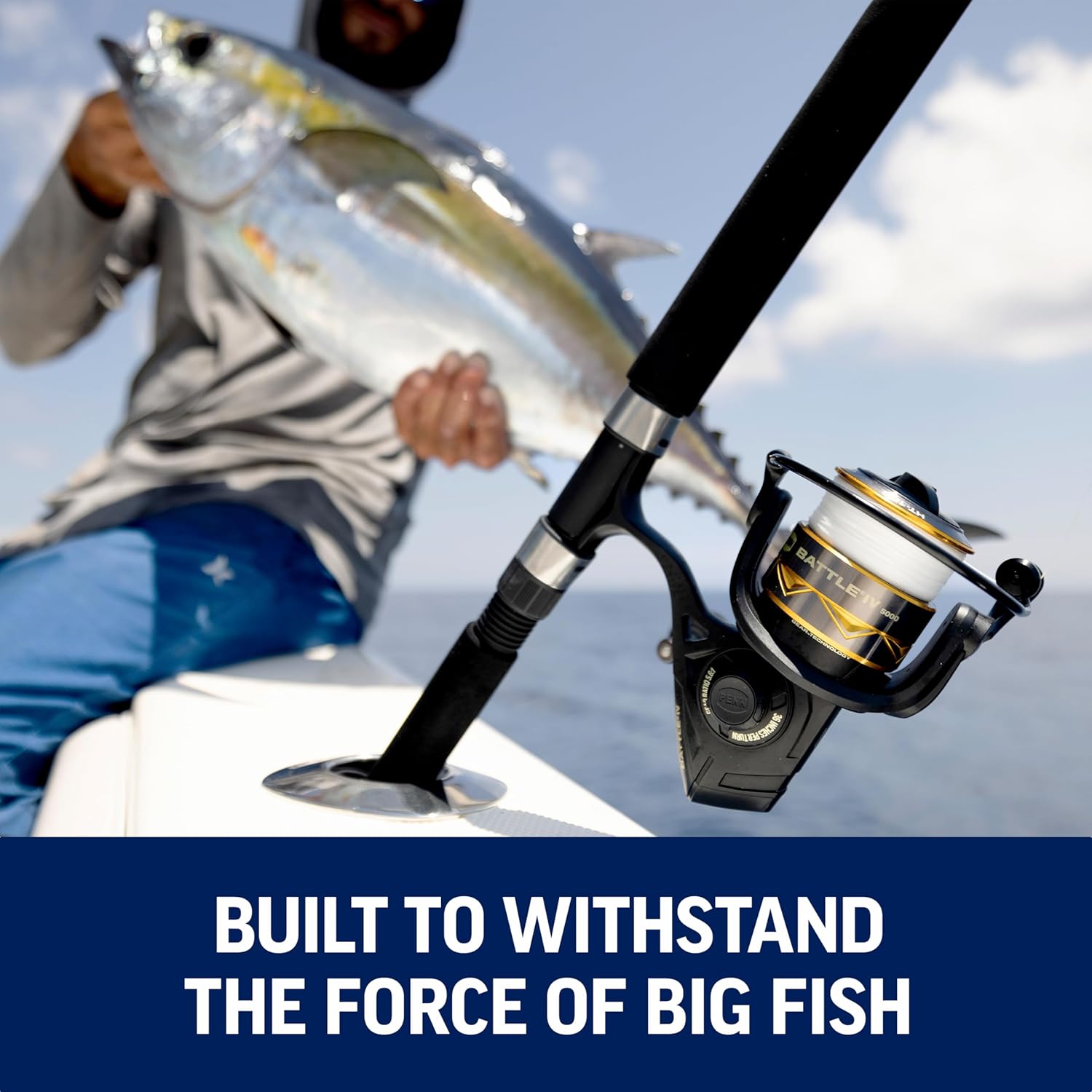
Penn Battle III Surf Spinning Combo
License Validity
- Duration: Temporary licenses are valid from the date of purchase for either 1 or 7 consecutive days, depending on the type chosen.
- Coverage: Licenses cover both freshwater and saltwater fishing in Long Island, including the marine and coastal district.
Target Audience Impact
Local Anglers
- Convenience: Easy access to short-term licenses for spontaneous fishing trips or when entertaining out-of-town guests.
- Cost-Effective: Ideal for occasional fishers who don't need an annual license. For those fishing more frequently, an annual license (currently $25 for residents aged 16-69) might be more economical.
Tourists and Visitors
- Accessibility: Simple process for out-of-state visitors to fish legally without committing to a full-year license.
- Flexibility: Options to match the duration of their stay in Long Island, whether it's a day trip or a week-long vacation.
Conservation Enthusiasts
- Supporting Local Ecosystems: License fees contribute directly to conservation efforts. In 2023, New York State allocated over $20 million from fishing license revenues to habitat restoration and fish stocking programs.
- Awareness: The licensing process promotes understanding of local fishing regulations and sustainability practices, encouraging responsible angling.
Comparison to Previous Years or Related Topics
Changes from 2023
- Fee Adjustments: As of 2024, there have been no significant changes to temporary license fees from the previous year.
- New Regulations: The NYSDEC has implemented stricter catch limits for certain species due to conservation concerns. For example, the daily limit for Summer Flounder (Fluke) has been reduced from 5 to 4 fish per day.
Comparison to Annual Licenses
- Cost-Benefit Analysis: For residents planning to fish for more than 5 days in a year, an annual license ($25) becomes more economical than multiple 7-day licenses.
- Flexibility vs. Long-Term Value: While temporary licenses offer flexibility for occasional anglers, frequent fishers benefit from the convenience and cost-effectiveness of an annual license.
Relevant Authorities and Guidelines
New York State Department of Environmental Conservation (NYSDEC)
- Regulatory Body: The NYSDEC oversees all fishing licenses and regulations in New York State, including Long Island.
- Resource Center: Provides up-to-date information on fishing in Long Island, including an annual fishing guide and mobile app with regulations and fishing locations.
Local Conservation Groups
- Additional Resources: Organizations like the Long Island Chapter of Trout Unlimited offer local fishing insights and conservation tips.
- Community Involvement: Many groups organize volunteer events for habitat restoration and youth education programs, providing opportunities for anglers to give back to the local ecosystem.
Specific Details and Subcategories
Popular Fishing Spots in Long Island
Long Island offers a diverse range of fishing environments, from freshwater lakes to saltwater beaches and offshore locations. Here are some popular spots:
Freshwater Locations:
- Lake Ronkonkoma: The largest freshwater lake on Long Island, known for largemouth bass, yellow perch, and sunfish.
- Carmans River: A scenic river in Suffolk County, popular for fly fishing and home to brook trout.
Saltwater Hotspots:
- Montauk Point: Often called the "Fishing Capital of the World," known for striped bass, bluefish, and tuna.
- Jones Beach: Excellent surf fishing opportunities for striped bass, bluefish, and fluke.
- Fire Island National Seashore: Offers both bay and ocean fishing, with species like weakfish and flounder.
Seasonal Considerations
Understanding the seasonal patterns of fish in Long Island can greatly enhance your fishing experience:
- Spring (March-May): Excellent for striped bass as they begin their migration. Flounder fishing also picks up in bays and estuaries.
- Summer (June-August): Peak season for most species. Bluefish, fluke, and sea bass are abundant. Offshore fishing for tuna and shark is popular.
- Fall (September-November): Another prime time for striped bass as they migrate south. Blackfish (tautog) fishing improves in rocky areas.
- Winter (December-February): While many species move offshore, cod fishing can be productive. Ice fishing is possible on some freshwater lakes when conditions permit.
Always check local regulations as some species have specific open seasons that may not align perfectly with these general patterns.
By following this comprehensive guide, anglers can easily obtain a temporary fishing license in Long Island for 2024, ensuring a legal and enjoyable fishing experience. Remember to always check the latest regulations on the NYSDEC website and respect local conservation efforts to preserve Long Island’s rich aquatic ecosystems for future generations.