
Whether you’re a lifelong fisherman or just getting started in your retirement years, it’s important to understand the regulations in your state and any states you plan to fish in. Failing to obtain the proper fishing license and permits can result in fines and other penalties. So before you head out to cast a line, make sure you’re up to date on the latest senior fishing license information.
Why Fishing Licenses Matter
Fishing licenses are more than just another bureaucratic hoop to jump through. The fees from fishing licenses help fund vital conservation efforts, fish stocking programs, habitat restoration, and improving water access for anglers. By purchasing a fishing license, even at a discounted senior rate, you’re helping to ensure that fishing opportunities are available for generations to come.
In addition, fishing license sales data helps state wildlife agencies set sustainable harvest limits and make informed decisions about fisheries management. Participating in the licensing system, whether you’re 16 or 65, is an important part of being a responsible steward of our aquatic resources.
State-by-State Senior Fishing License Rules
This section provides a detailed overview of fishing license requirements, exemptions, and discounts for senior anglers across the United States. Regulations are subject to change, so it is crucial to check with your state wildlife agency for the most current information. For official guidelines, visit the U.S. Fish and Wildlife Service or your local state agency.
States Offering Fishing License Exemptions for Seniors
Several states allow seniors to fish without a license, although age requirements can vary. Here are the states that provide such exemptions:
- Alabama: Residents 65 and older can fish without a license.
- Alaska: Residents 60 and older can fish without a license.
- Arizona: Residents 70 and older can fish without a license.
- Delaware: Residents 65 and older can fish without a license.
- Florida: Residents 65 and older can fish without a license.
- Mississippi: Residents 65 and older can fish without a license.
- Missouri: Residents 65 and older can fish without a license.
- New Hampshire: Residents 68 and older can fish without a license.
- New York: Residents 70 and older can fish without a license; however, some species may require additional permits.
- Rhode Island: Residents 65 and older can fish without a license.
- Texas: Residents born before January 1, 1931 do not need a license.
- Vermont: Residents 70 and older can fish without a license.
- Virginia: Residents 65 and older can fish in inland waters without a license.
Even if your state offers a full exemption, you may still need to obtain a free permit or register with the state to legally fish. Always verify local regulations to ensure compliance.
States Offering Discounted Fishing Licenses for Seniors
Many states that do not provide full exemptions offer discounted fishing licenses for seniors. The discount amount and eligibility age differ by state. Examples include:
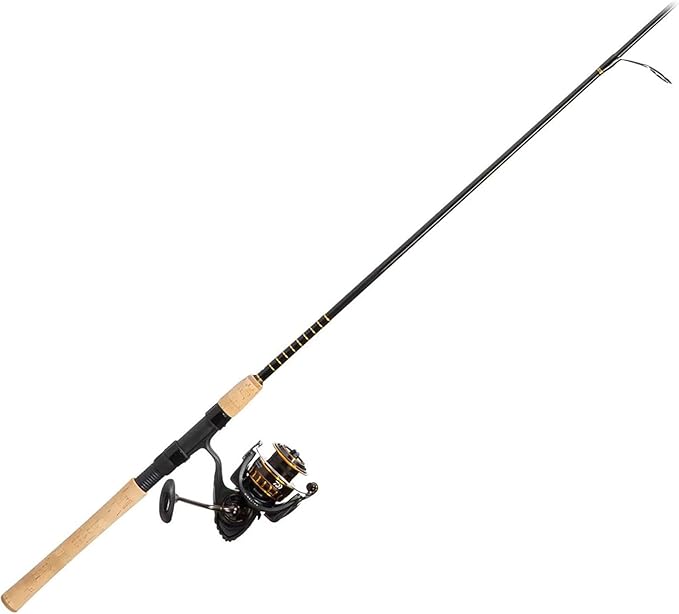
Daiwa BG Spinning Combo
- Arkansas: Residents 65 and older can purchase a lifetime fishing license for $10.50.
- California: Low-income residents aged 65 and older can obtain an annual fishing license for $7.56 through California Fish and Wildlife.
- Colorado: Residents aged 64 and older can secure an annual fishing license for $9. For more details, visit Colorado Parks & Wildlife.
- Georgia: Residents aged 65 and older can get an annual fishing license for $7.
- Hawaii: Residents aged 65 and older pay just $5 for an annual freshwater fishing license.
The average cost of discounted senior fishing licenses is approximately $10. Proof of age and residency is typically required to qualify for these rates.
Exceptions and Special Permits
While many seniors qualify for free or discounted licenses, there are important exceptions to be aware of:
- Trout/Salmon Permits: Many states require additional stamps or permits for trout or salmon fishing, which may not be covered by senior discounts.
- Saltwater Fishing Regulations: Some states have separate requirements for saltwater fishing, where senior exemptions may only apply to freshwater activities.
- Catch Record Cards: Certain species may require anglers to obtain free catch record cards even if they are exempt from needing a fishing license.
- Harvest Tags: Some states mandate that anglers secure harvest tags for specific species, which apply regardless of senior status.
Always read the fine print regarding your state’s regulations. A quick call or visit to your state’s wildlife agency website will clarify any questions you may have.
How to Get Your Senior Fishing License
Obtaining a senior fishing license is a straightforward process that varies by state but generally involves similar steps. Most states allow you to purchase or renew your license online, by phone, or at various authorized vendors, such as sporting goods stores and bait shops. You can also visit your state’s fish and wildlife office in person for assistance. For example, in California, you can find detailed information on obtaining a senior fishing license through the California Department of Fish and Wildlife.
Eligibility Requirements
To qualify for a senior fishing license, applicants typically need to be 62 years of age or older. Proof of age and residency is required during the application process. Acceptable forms of identification may include a driver’s license, state-issued ID card, or passport. In some states, additional documentation may be necessary for low-income discounts. For instance, California offers a Reduced-Fee Sport Fishing License for low-income seniors who receive benefits like Supplemental Security Income (SSI) more details here
Required Documents
When applying for a senior fishing license, it’s essential to have the following documents ready:
- Proof of Age: A valid driver's license or state ID.
- Proof of Residency: Documents such as utility bills or bank statements showing your name and address.
Failure to provide adequate proof may delay or deny your application. In South Carolina, residents aged 64 and older can apply for a lifetime recreational hunting and fishing license for just $9, which covers various privileges learn more here.
Application Process
The online application process is often the most convenient option. Applicants should visit their state’s fish and wildlife website, create an account if necessary, and complete the required forms. For example, in California, applicants can apply directly through the CDFW website, where they will upload their proof of age and residency documents. Payments are securely processed online, and licenses are typically issued electronically.
For those who prefer in-person applications, licenses can be purchased at various authorized vendors across the state. It’s advisable to call ahead to confirm availability and operating hours to avoid any inconvenience.
Fishing Regulations
Once you have your senior fishing license, familiarize yourself with your state’s fishing regulations regarding seasons, size limits, and specific restrictions on the waters where you plan to fish. Most states publish annual fishing guidebooks that outline these essential rules. In Wisconsin, for example, the Department of Natural Resources provides updated regulations every year; you can find them on their [official website][1].
Being aware of these regulations ensures that you enjoy your fishing experience responsibly while complying with local laws. Remember that having a valid fishing license is crucial for legal fishing activities across all states.