
Why You Need an Alaska Fishing License
Alaska is a true paradise for anglers, boasting an incredible variety of fish species and unparalleled natural beauty. However, to preserve the state’s valuable aquatic resources and maintain healthy fish populations for future generations, the Alaska Department of Fish and Game (ADF&G) requires all anglers to obtain a valid fishing license before casting their lines.
By purchasing a fishing license, you not only comply with state regulations but also contribute to the conservation and management of Alaska’s fisheries. The funds generated from license sales directly support the ADF&G’s efforts in research, habitat protection, and enforcement, ensuring that Alaska’s fishing opportunities remain abundant for years to come.
Who Needs an Alaska Fishing License?
Residents
All Alaska residents aged 18 and older must possess a valid sport fishing license to fish in the state’s waters, both freshwater and saltwater. Some exceptions apply:
- Residents under the age of 18 do not need a license.
- Residents aged 60 or older may obtain a free ADF&G Permanent Identification Card, which serves as a substitute for a sport fishing license.
- Disabled veterans who maintain Alaska residency may also qualify for a free ADF&G Permanent Identification Card.
Non-Residents
All non-residents aged 16 and older must obtain a valid Alaska sport fishing license. Non-residents under the age of 16 are exempt from licensing requirements.
Types of Alaska Fishing Licenses
Alaska offers several types of fishing licenses to cater to different needs and durations:
- Annual Licenses: Perfect for anglers who fish frequently and want coverage for the entire year.
- Short-Term Licenses: Ideal for visitors or those planning brief fishing trips, with options for 1-day, 3-day, 7-day, or 14-day licenses.
- King Salmon Stamps: Required for anglers targeting king salmon, in addition to a regular sport fishing license.
- Combination Licenses: Offer a bundle of privileges, such as a sport fishing license and a king salmon stamp, for added convenience.
Where to Buy Your Alaska Fishing License
Obtaining your Alaska fishing license is a simple process, with several convenient options available:
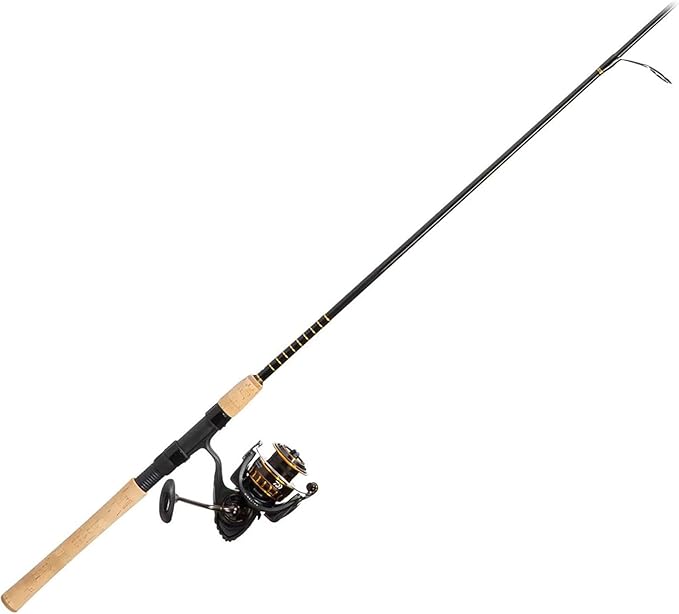
Daiwa BG Spinning Combo
Online
The quickest and easiest way to purchase your fishing license is through the ADF&G’s online store. Visit the ADF&G website and follow the user-friendly prompts to complete your purchase. You’ll be able to print your license immediately after the transaction or save a digital copy on your mobile device.
In-Person
You can also buy your fishing license in person at various locations throughout Alaska:
- ADF&G Offices: Ensure you get the right license and receive in-person assistance.
- Licensed Vendors: Many sporting goods stores, bait and tackle shops, and local businesses are authorized to sell fishing licenses.
- Fishing Guides and Lodges: Most fishing guides and lodges can sell licenses to their clients, making it a convenient option if you're booking a guided fishing trip.
Understanding Alaska Fishing Regulations
To fully understand your Alaska fishing license and stay compliant with the law, it’s essential to familiarize yourself with the state’s fishing regulations. Here are some key points to keep in mind:
Fishing Seasons and Areas
Alaska’s fishing regulations vary by species, location, and time of year. Before planning your fishing trip, consult the ADF&G’s website or printed regulation booklets to know the open seasons, catch limits, and any area-specific restrictions for your target species.
Catch Limits and Size Restrictions
Each species and water body may have specific catch limits and size restrictions. These regulations help maintain healthy fish populations and ensure fair harvest opportunities for all anglers. Always check the current regulations and adhere to the specified limits.
Proper Fish Handling and Release
When catching and releasing fish, it’s crucial to use proper techniques to minimize stress and injury to the fish. Familiarize yourself with best practices for handling, dehooking, and releasing your catch to increase their chances of survival.
Fishing Methods and Gear Restrictions
Alaska’s fishing regulations may specify allowed fishing methods (e.g., fly fishing, bait fishing) and gear restrictions (e.g., hook size, line strength) for certain species or areas. Ensure your fishing techniques and equipment comply with these rules.
Practical Tips for Managing Your Fishing License
To make the most of your Alaska fishing license and avoid common pitfalls, consider these practical tips:
Carry Your License and ID
Always carry your physical fishing license or a digital copy on your mobile device, along with a valid form of identification. You must present your license upon request by an ADF&G representative or law enforcement officer.
Use Digital Copies Wisely
While digital copies of your fishing license are acceptable, ensure your mobile device has sufficient battery life and consider carrying a backup power source. In remote areas with limited cell service, a printed copy may be more reliable.
Set Reminders for License Renewal
To avoid fishing with an expired license, set reminders for your license renewal date. Consider using smartphone apps or calendar notifications to alert you well in advance.
Understand Reciprocity Agreements
If you plan to fish in bordering states or Canada, familiarize yourself with any reciprocity agreements that may allow you to use your Alaska fishing license. However, always verify the specific requirements with the relevant jurisdiction.
- Fishing without a valid license: Always ensure your fishing license is current and covers the specific privileges you need.
- Exceeding catch limits or violating size restrictions: Carefully track your catch and release any fish that don't meet the legal requirements.
- Using prohibited fishing methods or gear: Familiarize yourself with the allowed fishing techniques and equipment for your target species and location.
- Failing to properly record your catch: When required, accurately log your catch in the appropriate harvest record or punch card.
Comparing License Options
When deciding which Alaska fishing license to purchase, consider factors such as:
- Duration of your fishing trip: Choose between annual, short-term, or day licenses based on the length of your stay.
- Target species: If you plan to fish for king salmon, remember to purchase a king salmon stamp in addition to your regular license.
- Frequency of fishing: If you're an avid angler who fishes often, an annual license may provide the best value.
- Combination licenses: Look for combination licenses that bundle the privileges you need, such as a sport fishing license and a king salmon stamp, for convenience and potential cost savings.