
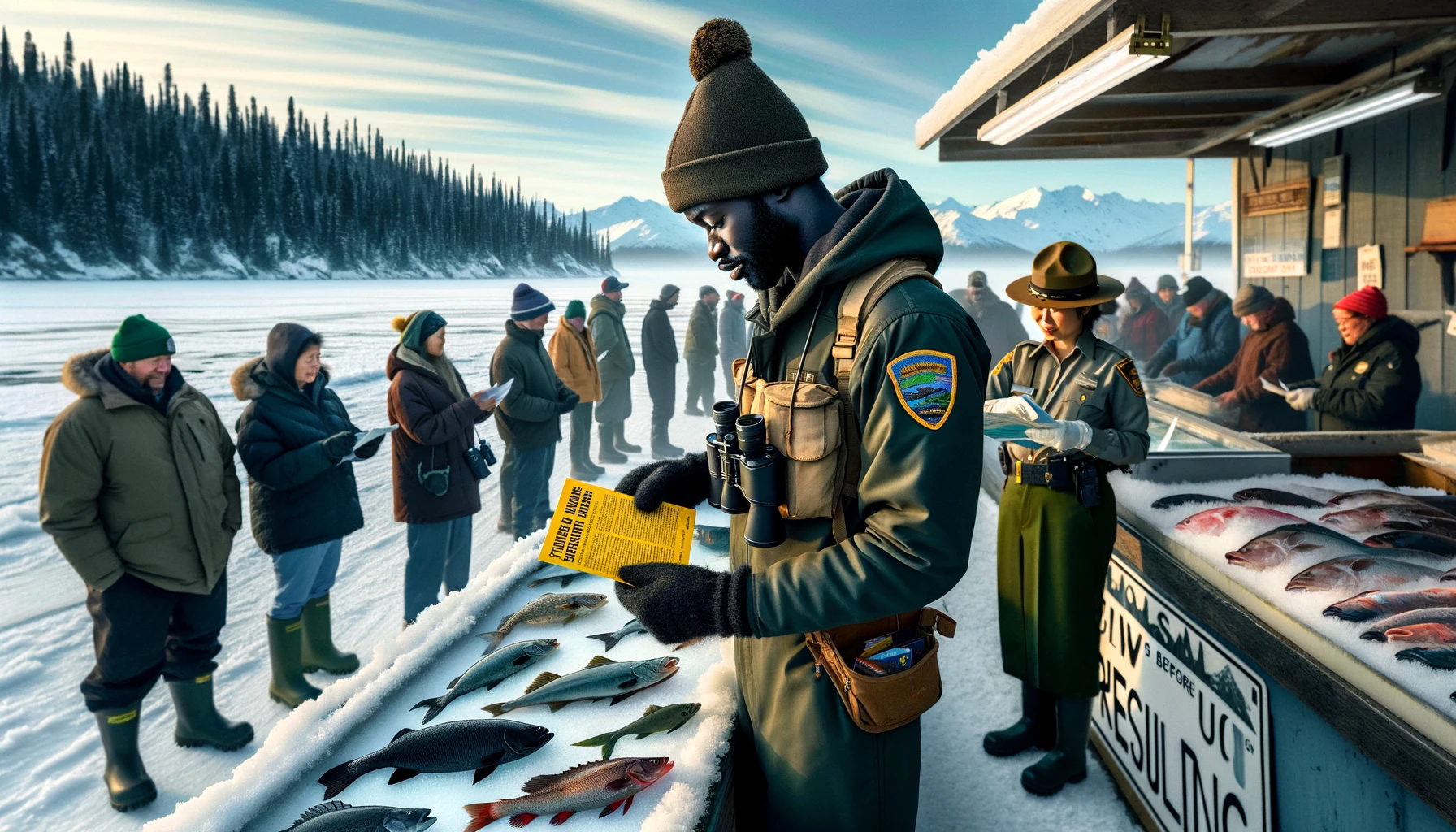
Yes, a fishing license is required for most anglers in Alaska. Residents aged 18 and older and non-residents aged 16 and older must obtain a valid fishing license to participate in sport and personal use fisheries in both fresh and marine waters. However, there are some exceptions and additional requirements depending on your residency status, age, and the type of fishing you plan to do. This guide will provide you with all the essential information you need to know about fishing licenses in Alaska for 2024.
Who Needs a Fishing License in Alaska?
- Alaska Residents: All residents aged 18 and older must purchase a sport fishing license.
- Non-Residents: Visitors to Alaska aged 16 and older are required to have a valid fishing license.
- Military Personnel: Active duty military members stationed in Alaska and their dependents are considered residents for licensing purposes after 12 consecutive months.
Exceptions to License Requirements
While most anglers need a license, there are some notable exceptions:
- Youth Anglers: Resident youth under 18 and non-resident youth under 16 do not need a fishing license.
- Senior Residents: Alaska residents aged 60 and older can obtain a free ADF&G Permanent Identification Card, which serves as their fishing license.
- Disabled Veterans: Alaska residents who are disabled veterans (with 50% or greater service-connected disability) can obtain a free Disabled Veteran's License.
It’s important to note that even if you fall into one of these exempt categories, you may still need to obtain a free Harvest Record Card for certain species with annual harvest limits.
Types of Alaska Fishing Licenses
Alaska offers a variety of fishing license options to accommodate different needs and durations of stay. Here’s a breakdown of the available licenses for 2024:
Resident Fishing Licenses
- Annual Sport Fishing License: Valid for the entire calendar year.
- Low-Income License: Available at a reduced cost for eligible residents.
- Blind Person's Annual Sport Fishing License: Available at a nominal fee for legally blind residents.
Non-Resident Fishing Licenses
- 1-Day Sport Fishing License
- 3-Day Sport Fishing License
- 7-Day Sport Fishing License
- 14-Day Sport Fishing License
- Annual Sport Fishing License
Combination Licenses
For those interested in both fishing and hunting, combination licenses are available:
- Resident Annual Sport Fishing and Hunting License
- Resident Annual Sport Fishing, Hunting, and Trapping License
- Non-Resident Annual Hunting and Sport Fishing License
King Salmon Stamps: An Additional Requirement
If you plan to fish for king salmon (Chinook salmon) in Alaska, you’ll need to purchase an additional King Salmon Stamp. This requirement applies to both residents and non-residents, with a few exceptions:
- Resident anglers under 18
- Non-resident anglers under 16
- Residents who hold a valid ADF&G Permanent Identification Card
- Disabled veterans with a free Disabled Veteran's License
The King Salmon Stamp is required in both fresh and saltwater, except when fishing in stocked lakes. It’s crucial to note that possessing a King Salmon Stamp does not exempt you from following specific regulations and harvest limits for king salmon fishing in different areas of Alaska.
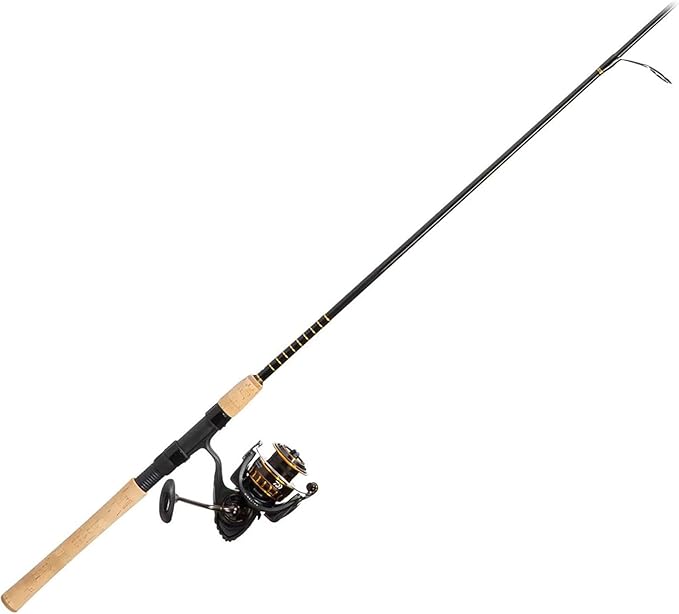
Daiwa BG Spinning Combo
Pricing for Alaska Fishing Licenses and Stamps in 2024
To help you plan your fishing budget, here’s a breakdown of the current pricing for various licenses and stamps:
Resident License and Stamp Fees
- Annual Sport Fishing License: $20
- Annual King Salmon Stamp: $10
- Low-Income License: $5
- Blind Person's Annual Sport Fishing License: $0.50
Non-Resident License and Stamp Fees
- 1-Day Sport Fishing License: $15
- 3-Day Sport Fishing License: $30
- 7-Day Sport Fishing License: $45
- 14-Day Sport Fishing License: $75
- Annual Sport Fishing License: $100
- King Salmon Stamp Fees:
- 1-Day: $15
- 3-Day: $30
- 7-Day: $45
- 14-Day: $75
- Annual: $100
Please note that prices are subject to change, and it’s always best to check the official ADF&G website for the most up-to-date information.
How to Purchase Your Alaska Fishing License
Obtaining your Alaska fishing license is a straightforward process. You have several options:
- Online Purchase: Visit the ADF&G Online Store to buy your license and stamps electronically. This is the most convenient option, especially for planning ahead.
- In-Person at License Vendors: Many sporting goods stores, tackle shops, and other retailers throughout Alaska sell fishing licenses. This can be a good option if you prefer a physical license or need assistance.
- ADF&G Offices: You can purchase licenses and stamps directly from Alaska Department of Fish and Game offices.
When purchasing your license, you’ll need to provide some basic information, including:
- Full name
- Date of birth
- Residency status
- Contact information
- Valid identification (e.g., driver's license or passport)
Understanding License Formats and Requirements
Alaska offers fishing licenses in several formats to suit different preferences:
- Electronic/Printed License: After purchasing online, you can download a PDF version to sign electronically or print and sign physically.
- eSigned License: Available through your ADF&G account, this option allows you to view your signed license on your device or print a copy.
- Carbon Copy License: These handwritten licenses are available at select vendors and ADF&G offices.
Regardless of the format you choose, you must have your license in your possession while fishing. If using an electronic version, ensure your device is charged and accessible. It’s always a good idea to have a backup physical copy in case of technical issues.
Special Considerations for Different Fishing Activities
Personal Use and Subsistence Fishing
While this guide primarily focuses on sport fishing licenses, it’s worth noting that Alaska also has specific regulations for personal use and subsistence fishing. These activities may require additional or different permits, depending on your residency status and the specific fishery. Always check the current regulations for the area you plan to fish.
Guided Fishing Trips
If you’re planning to fish with a licensed guide or charter service, they often include the cost of a short-term fishing license in their package. However, it’s essential to confirm this when booking your trip and understand what type of license is provided.
Ice Fishing
Ice fishing is a popular winter activity in Alaska, and the same licensing requirements apply. However, there may be special regulations for certain species or areas during the ice fishing season, so be sure to check the current regulations.
Harvest Record Cards and Annual Limits
For certain species, including king salmon and rainbow trout, Alaska imposes annual harvest limits. To help manage these limits, anglers are required to record their catch on a Harvest Record Card. This requirement applies to all anglers, including those exempt from licensing requirements.
You can obtain a free Harvest Record Card online through the ADF&G website or from license vendors. It’s crucial to carry this card with you while fishing and record your catch immediately in the field.
Fishing Regulations and Conservation Zones
While having the proper license is essential, it’s equally important to familiarize yourself with Alaska’s fishing regulations. These rules can vary significantly depending on the species, location, and time of year. Some key points to remember:
- Bag and Possession Limits: These vary by species and area. Always check the current regulations for your fishing location.
- Size Restrictions: Many species have minimum or maximum size limits for retention.
- Seasonal Closures: Certain fisheries may be closed during specific periods for conservation purposes.
- Conservation Zones: Some areas, particularly around stream mouths, may have special restrictions or closures to protect spawning fish.
The Importance of Licensing and Conservation
Purchasing a fishing license in Alaska is more than just a legal requirement; it’s an investment in the state’s natural resources. The revenue generated from license sales directly supports:
- Fish and wildlife management programs
- Habitat conservation efforts
- Research to ensure sustainable fisheries
- Public access improvements for anglers
By obtaining the proper license and following regulations, you’re contributing to the long-term health of Alaska’s world-renowned fisheries and ensuring that future generations can enjoy the same incredible fishing experiences.
Planning Your Alaska Fishing Adventure
Now that you understand the licensing requirements, you’re one step closer to embarking on your Alaska fishing adventure. Here are some additional tips to help you make the most of your trip:
- Research Your Destination: Alaska is vast, with diverse fishing opportunities. Whether you're interested in salmon runs, halibut fishing, or pursuing trophy trout, research the best locations and times for your target species.
- Consider Hiring a Guide: Local guides can provide valuable knowledge about fishing hotspots, techniques, and regulations specific to the area.
- Pack Appropriately: Alaska's weather can be unpredictable. Bring layers, rain gear, and appropriate footwear for your fishing activities.
- Practice Catch and Release: While keeping fish for consumption is part of the Alaska fishing experience, consider practicing catch and release for some of your catch to help maintain healthy fish populations.
- Respect the Environment: Follow Leave No Trace principles to minimize your impact on Alaska's pristine wilderness.