

Alaska Non-Resident Fishing License Costs for 2024
For those eager to cast their lines in Alaska’s bountiful waters, here’s a quick overview of the non-resident fishing license costs for 2024:
- 1-day license: $15
- 3-day license: $30
- 7-day license: $45
- 14-day license: $75
- Annual license: $100
These prices reflect the base cost for a sport fishing license. Additional stamps or permits may be required depending on the species you plan to target and the specific regulations of your fishing location.
1-Day Sport Fishing License
Cost: $15
Perfect for those on a short trip or wanting to try fishing for just a day. This license is valid for a full 24-hour period from the time of purchase.
3-Day Sport Fishing License
Cost: $30
Ideal for weekend warriors or those on a short vacation. This license covers three consecutive days of fishing.
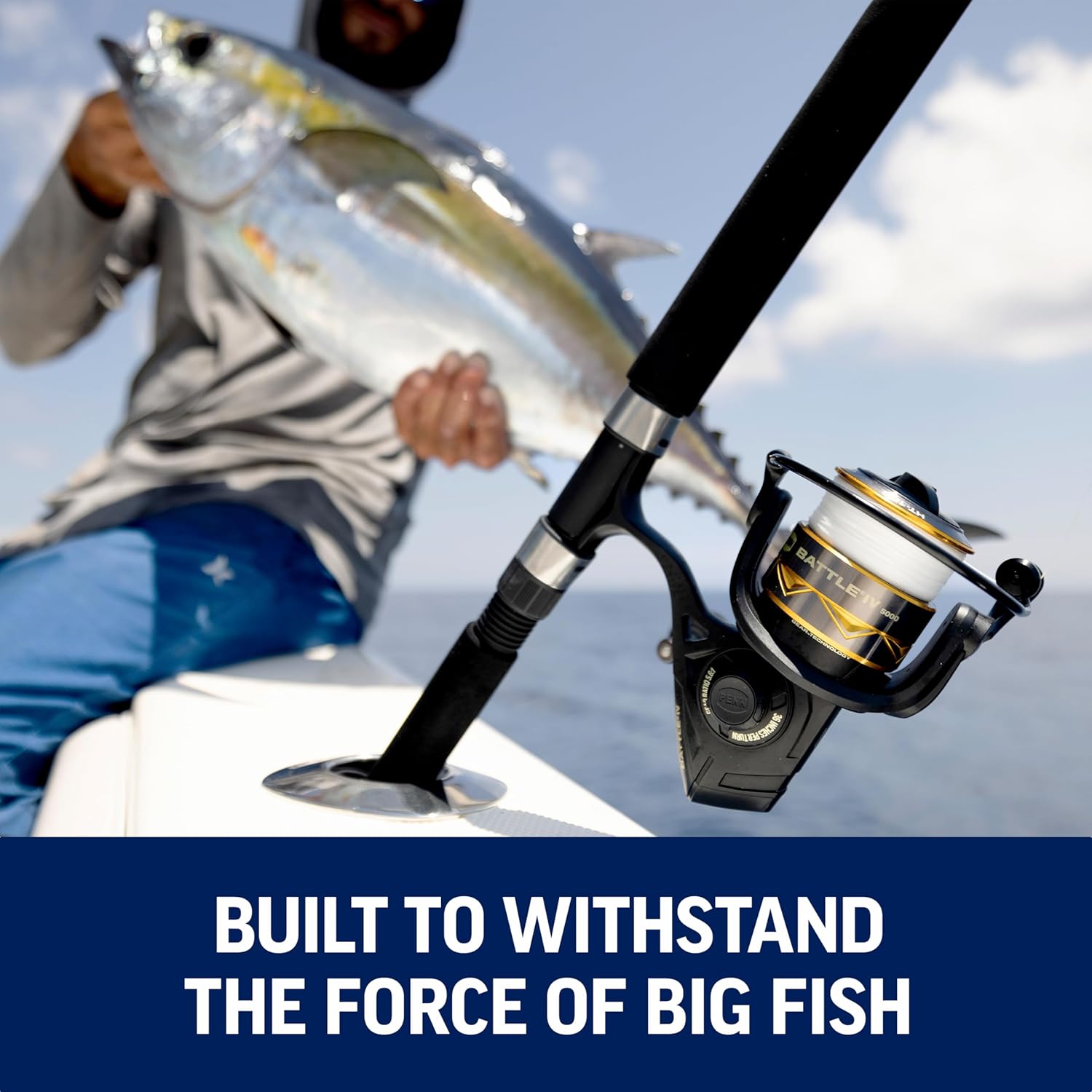
Penn Battle III Surf Spinning Combo
7-Day Sport Fishing License
Cost: $45
A popular choice for visitors spending a week in Alaska. This license allows for a full week of fishing adventures.
14-Day Sport Fishing License
Cost: $75
For those planning an extended stay, this two-week license offers great value and flexibility.
Annual Sport Fishing License
Cost: $100
If you’re a frequent visitor to Alaska or planning multiple trips throughout the year, the annual license is your best bet. It’s valid for the entire calendar year, regardless of when you purchase it.
Additional Permits and Stamps
While the basic sport fishing license covers most fishing scenarios, there are some additional permits and stamps you might need:
King Salmon Stamp
If you’re planning to fish for king salmon (also known as Chinook salmon), you’ll need to purchase a King Salmon Stamp in addition to your fishing license. The costs for non-residents are:
- 1-day stamp: $15
- 3-day stamp: $30
- 7-day stamp: $45
- 14-day stamp: $75
- Annual stamp: $100
Other Species-Specific Permits
Depending on your target species and fishing location, you might need additional permits. Always check the current regulations for your specific fishing area and target species.
How to Purchase an Alaska Non-Resident Fishing License
Obtaining your Alaska fishing license is a straightforward process. Here are the primary methods:
Online Purchase
The most convenient way to get your license is through the Alaska Department of Fish and Game’s online store. Here, you can purchase your license, stamps, and permits 24/7. After purchase, you can print your license or keep a digital copy on your mobile device.
In-Person Purchase
If you prefer a physical copy or need assistance, you can buy your license at various locations throughout Alaska, including:
- Alaska Department of Fish and Game offices
- Sporting goods stores
- Many convenience stores and supermarkets
Through a Fishing Charter or Guide
Many fishing charters and guides include the cost of a fishing license in their package deals. Always confirm with your charter service if the license is included or if you need to purchase it separately.
Understanding Alaska Fishing Regulations
While obtaining your license is crucial, understanding and following Alaska’s fishing regulations is equally important. Here are some key points to remember:
Bag Limits and Size Restrictions
Different species have varying bag limits and size restrictions. These can change annually and may differ between regions. Always check the current regulations for your specific fishing area.
Fishing Methods and Gear Restrictions
Alaska has specific rules about fishing methods and gear. For example, some areas may be fly-fishing only, while others might have restrictions on the type of bait or lures you can use.
Seasonal Closures and Special Management Areas
Certain areas may have seasonal closures or special management rules. These are designed to protect fish populations and ensure sustainable fishing practices.
Catch Recording Requirements
For some species, like king salmon, you’re required to record your catch immediately. Make sure you understand and follow these requirements to avoid potential fines.
The Economic Impact of Fishing in Alaska
Fishing isn’t just a popular pastime in Alaska; it’s a significant contributor to the state’s economy. According to the Fisheries Economics of the United States Report, recreational fishing in Alaska generates substantial economic activity through license sales, gear purchases, lodging, and other related expenses.
In recent years, Alaska has seen:
- Over 400,000 sport fishing licenses issued annually
- Millions of dollars in revenue generated from license sales alone
- Significant job creation in fishing-related industries
This economic impact underscores the importance of responsible fishing practices and the need for visitors to obtain proper licenses and follow regulations.
Fishing Participation Trends in Alaska
Understanding participation trends can help anglers plan their trips and anticipate potential crowding or resource availability. According to the Alaska Department of Fish and Game’s License Statistics, there have been some interesting trends in recent years:
These trends not only shape fishing experiences but also influence conservation efforts and resource management strategies.
Conservation and Sustainability
Alaska takes great pride in its sustainable fishing practices. The purchase of fishing licenses directly supports conservation efforts and fisheries management. Here’s how your license contributes to sustainability:
- Funding for Research: License fees help fund crucial research on fish populations and habitats.
- Habitat Restoration: A portion of license revenue goes towards restoring and maintaining critical fish habitats.
- Enforcement: Fees support the enforcement of fishing regulations, ensuring fair and sustainable practices.
- Education Programs: License revenue helps fund educational programs about responsible fishing and conservation.
By obtaining a proper license, you’re not just gaining the right to fish; you’re actively participating in the preservation of Alaska’s aquatic ecosystems for future generations.
Tips for a Successful Fishing Trip in Alaska
To make the most of your Alaska fishing experience, consider these tips:
- Plan Ahead: Research the best times to fish for your target species and book accommodations and charters well in advance.
- Dress Appropriately: Alaska's weather can be unpredictable. Layer your clothing and be prepared for rain.
- Hire a Guide: For first-time visitors, a knowledgeable guide can significantly enhance your fishing experience and success rate.
- Practice Catch and Release: Consider practicing catch and release for some of your catches to support conservation efforts.
- Respect the Environment: Follow Leave No Trace principles to minimize your impact on Alaska's pristine wilderness.
- Be Bear Aware: Many fishing spots are in bear country. Learn about bear safety and carry bear spray if necessary.
- Document Your Trip: Don't forget to bring a camera to capture your amazing catches and the breathtaking Alaskan scenery.