

Alaska’s wild rivers and fertile coastal fisheries have lured anglers from across the globe for over a century. As the 2024 season approaches, both resident and visiting fishermen need to understand the state’s updated license requirements and fishing regulations. This comprehensive guide covers everything you need to legally and responsibly plan your next Alaskan fishing adventure.
Why Purchasing A License Matters
Purchasing an Alaska fishing license is crucial not only for legal compliance but also for supporting the sustainability of the state’s waters and fish populations. License fees provide over $57 million in annual funding for vital conservation initiatives, including:
- Managing over 12,000 miles of pristine salmon-spawning streams and rivers
- Operating hatcheries that release over 1.5 billion juvenile salmon annually
- Protecting critical fish habitats through the purchase of conservation easements
- Enforcing commercial and recreational fishing regulations
Due to rising operational expenses and inflation, there have been fee increases for 2024. Most sport fishing license fees rose by $5, while non-resident licenses increased more substantially.
By purchasing your license, you invest in Alaska’s world-class aquatic ecosystems. The alternatives—decreasing fish stocks, habitat loss, and restrictive regulations—could threaten Alaska’s thriving fishing opportunities.
Understanding Alaska’s Age-Based Licensing Rules
All anglers aged 18 years or older must carry an Alaskan sport fishing license, along with a king salmon stamp if targeting that iconic species.
Here are the basic age guidelines:
- Age 60+ residents and disabled veterans fish license-free.
- Those under 18 can fish without a license if they are Alaska residents.
- Non-resident minors under 16 years old can also fish license-free.
Choosing Your 2024 License Type
Alaska offers diverse licensing options tailored to meet the unique needs of anglers, whether they are residents or visitors. Understanding the various types of fishing licenses available is essential for planning your fishing adventure in this stunning state.
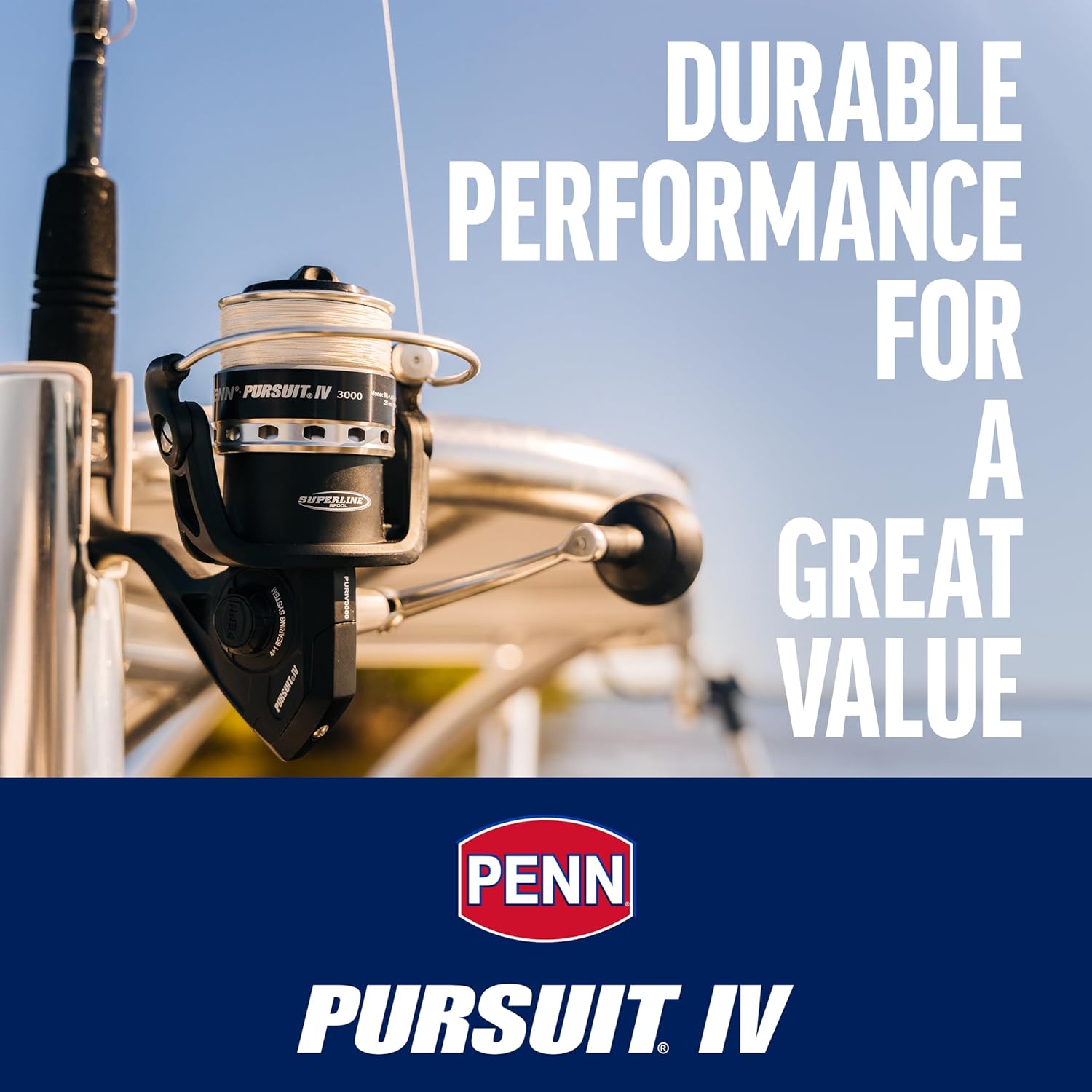
Penn Pursuit IV Spinning Combo
Resident vs. Non-Resident Licenses
One of the most significant factors to consider is whether you are a resident or a non-resident of Alaska. The cost differences can be substantial:
- Resident Licenses: Generally much cheaper, these licenses are available to individuals who have established residency in Alaska.
- Non-Resident Licenses: These licenses tend to be more expensive and are designed for individuals who do not reside in Alaska but wish to fish in its waters.
For detailed pricing information, visit the Alaska Department of Fish and Game website.
Sport vs. Commercial Fishing Licenses
When choosing a license, you must also decide between a sport fishing license and a commercial fishing license:
- Sport Fishing License: This license is intended for recreational anglers who fish for personal enjoyment or consumption.
- Commercial Fishing License: If you plan to sell your catch, you will need a commercial fishing license, which comes with additional regulations and requirements.
Duration of Licenses
Alaska provides flexibility in the duration of licenses to match your fishing plans:
- Daily Licenses: Ideal for short trips, these licenses allow you to fish for one day.
- Multiple-Day Licenses: If you're planning a longer stay, consider purchasing a license that covers several days.
- Annual Licenses: For frequent visitors or residents, an annual license may offer the best value.
Make sure to carefully select the appropriate license before purchasing online or from approved vendors. Always keep your license on you while fishing as proof of compliance.
Understanding Alaska’s Complex Fishing Regulations
Alaska’s fishing regulations are designed to balance the pressures of subsistence and sport fishing with the need for sustainability. These rules are crucial for protecting fish populations and their habitats, ensuring that fishing activities do not compromise the ecological integrity of the state’s waters. Below is an overview of key aspects of Alaska’s fishing regulations, including factors influencing these rules and the importance of compliance.
Key Factors Influencing Fishing Regulations
- Fish Species and Populations: Regulations often vary by species, reflecting the unique biological characteristics and conservation needs of different fish populations. For instance, certain species may have stricter limits or specific seasons to protect them during critical spawning periods.
- Geographic Regions and Waterbodies: Fishing regulations can differ significantly across Alaska's vast geographic regions. Specific rules may apply to different water bodies, including rivers, lakes, and coastal areas, based on local fish populations and environmental conditions.
- Use Type: The regulations also distinguish between subsistence fishing (for personal consumption) and commercial fishing (for sale). Each type of fishing has its own set of rules designed to manage resource use effectively.
Compliance and Consequences
Ignorance of fishing regulations is not an acceptable defense; violations can result in hefty fines and license suspensions. Therefore, it is imperative for all anglers—whether residents or visitors—to thoroughly familiarize themselves with the specific rules that apply to their intended fishing activities. This includes understanding:
- Species-specific regulations: Limits on catch sizes, seasonal restrictions, and any special permits required.
- Gear restrictions: Certain types of gear may be prohibited or limited based on the species being targeted or the area being fished.
- Reporting requirements: Some fisheries require anglers to report their catch or submit harvest logs.
Staying Informed
Fishing regulations in Alaska frequently change based on new data and conservation needs. Anglers should stay updated by consulting reliable sources such as:
- The Alaska Department of Fish and Game for the latest regulations, licensing information, and conservation updates.
- Local guides or community boards that may provide insights into recent changes or specific local rules.
Understanding Alaska’s complex fishing regulations is vital for responsible angling. By adhering to these guidelines, anglers can help ensure that Alaska’s rich aquatic ecosystems remain vibrant for future generations. Always take the time to review current regulations before heading out to fish, as compliance not only protects you from penalties but also contributes to the sustainability of Alaska’s fisheries.
Notable Alaska 2024 Fishing Regulation Changes
Several impactful updates took effect in 2024:
- More conservative king and non-pelagic rockfish limits across Southcentral Alaska to support slow-growing populations.
- Extended June sockeye salmon dipnetting season for the popular China Poot personal use fishery.
- New catch-and-release-only restrictions on a dozen struggling Kenai Peninsula king salmon streams.
Check local guides or consult official resources for recent shifts. Never assume the rules remain static!
Planning An Epic Yet Sustainable Alaskan Fishing Adventure
Amidst this complex regulatory environment, it’s essential to appreciate Alaska’s incredible privileges. Abundant wild fish and unspoiled waters offer experiences found nowhere else.
As you plan your 2024 Alaskan fishing adventure, leverage resources like this guide and connect with local guides for updated insights on regulations and conditions for your chosen destination.
Most importantly, adopt sustainable practices such as carefully handling fragile fish, minimizing bycatch, and only keeping what you can use. Through collective stewardship, Alaska’s legendary fishing bounty will thrive for generations.
Official Resources
For more information about obtaining an Alaska fishing license or understanding regulations:
- Visit the Alaska Department of Fish and Game for official licensing information.
- Check out Online Fishing License Application to purchase your license online.
- Refer to Alaska Fishing Regulations for detailed rules specific to different regions and species.
Here’s to a safe, sustainable, and unforgettable Alaskan fishing season! Just don’t forget your license and follow the regulations!