
Why You Need an Alaska Fishing License
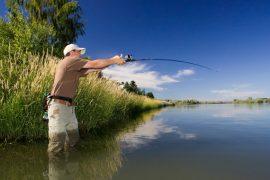
An Alaska fishing license is required for all anglers aged 16 and older who want to fish in the state’s waters, both freshwater and saltwater. The license fees support the Alaska Department of Fish and Game’s efforts to manage and conserve the state’s valuable fish resources, ensuring sustainable populations for future generations of anglers.
Without a valid fishing license, you could face fines and legal consequences if caught fishing in Alaska. Plus, having a license gives you the peace of mind to fully enjoy your fishing adventure without worrying about breaking any rules.
Types of Alaska Fishing Licenses
Alaska offers several types of fishing licenses to cater to different angler needs:
- Annual Resident Sport Fishing License: For Alaska residents aged 18 and older who plan to fish for a full calendar year.
- Annual Non-Resident Sport Fishing License: For non-residents aged 16 and older who plan to fish for a full calendar year.
- Short-Term Non-Resident Sport Fishing License: Available in 1-day, 3-day, 7-day, and 14-day increments for non-residents aged 16 and older.
- Military Sport Fishing License: Discounted annual licenses for active-duty military personnel and their dependents who are stationed in Alaska.
- Low-Income Sport Fishing License: Discounted annual licenses for Alaska residents who meet certain income requirements.
In addition to the base fishing license, you may also need to purchase a King Salmon Stamp if you plan to fish for king salmon. This stamp is required for all anglers except Alaska residents under age 18, non-residents under age 16, and those who hold a low-income or disabled veteran’s license.
How to Get Your Alaska Fishing License
Getting your Alaska fishing license is a simple process with several convenient options:
- Online: Visit the Alaska Department of Fish and Game website to purchase your license online. You can print your license immediately after purchase or save a digital copy on your mobile device.
- In Person: Stop by an Alaska Department of Fish and Game office or any authorized license vendor, such as sporting goods stores, tackle shops, and some convenience stores. You can find a list of vendors on the department’s website.
- By Mail: Download an application from the Alaska Department of Fish and Game website, fill it out, and mail it with payment to the address provided. Allow 2-3 weeks for processing.
When purchasing your license, be prepared to provide personal information such as your name, date of birth, address, and a valid form of identification. If you’re applying for a resident license, you may need to provide proof of residency such as a driver’s license, voter registration card, or utility bill.
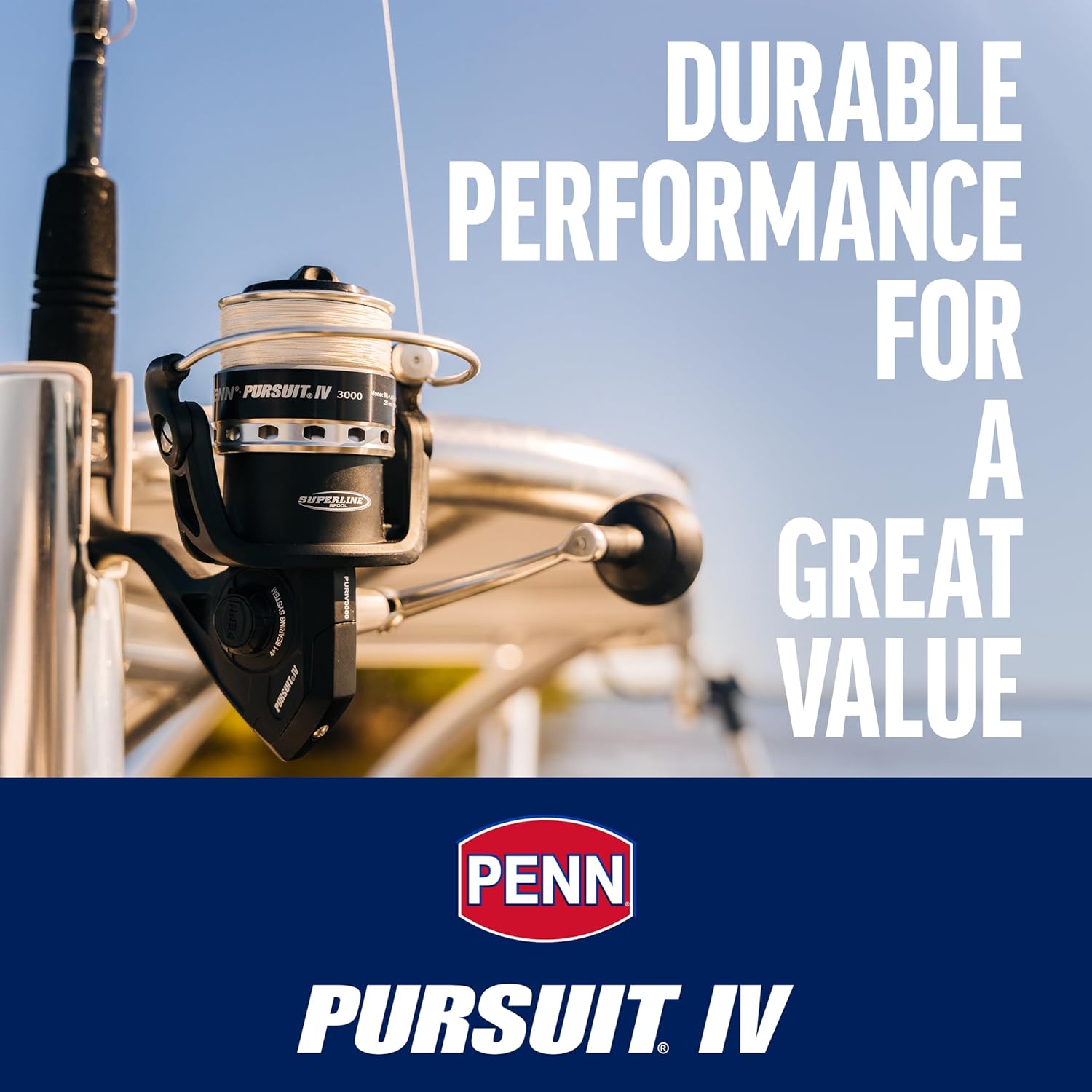
Penn Pursuit IV Spinning Combo
Alaska Fishing Regulations to Know
In addition to securing your fishing license, it’s important to familiarize yourself with Alaska’s fishing regulations before hitting the water. These regulations help protect fish populations and ensure a fair and enjoyable experience for all anglers.
Some key regulations to keep in mind:
- Daily Bag Limits: Each species of fish has a daily bag limit, which is the maximum number of fish you can keep per day. These limits vary by species and location, so check the regulations for your specific fishing area.
- Size Restrictions: Some fish species have minimum or maximum size limits to protect juvenile fish and breeding stock. Measure your catch carefully and release any fish that don’t meet the size requirements.
- Seasons and Area Closures: Fishing seasons and area closures are in place to protect fish during spawning and other sensitive times. Check the regulations for any seasonal restrictions or closed areas in your fishing location.
- Gear Restrictions: Certain types of fishing gear may be prohibited or limited in some areas to minimize fish mortality and habitat damage. Make sure your gear complies with any restrictions before fishing.
You can find detailed fishing regulations for each region of Alaska on the Department of Fish and Game website or in the printed regulation booklets available at license vendors and department offices. Don’t hesitate to ask local fishing guides, bait shops, or other anglers for advice on regulations and best practices.
Fishing License Fees Support Conservation
When you purchase your Alaska fishing license, you’re not only gaining access to world-class fishing opportunities - you’re also supporting critical conservation efforts. The revenue generated from license fees goes directly to the Alaska Department of Fish and Game to fund a variety of programs that benefit fish, wildlife, and their habitats.
Some of the ways your license fees are put to work:
- Fish Population Monitoring: Biologists use license fee revenue to conduct surveys and studies that track the health and abundance of fish populations across the state. This data helps inform management decisions to ensure sustainable fisheries.
- Habitat Restoration: License fees support projects that restore and enhance fish habitat, such as stream bank stabilization, fish passage improvements, and riparian area protection. These efforts help maintain productive fish populations for generations to come.
- Hatchery Operations: A portion of license fee revenue supports the operation of state-run fish hatcheries, which raise and release millions of salmon and trout each year to supplement wild populations and provide additional fishing opportunities.
- Angler Access: License fees help fund the construction and maintenance of boat launches, fishing piers, and other angler access points, making it easier for everyone to enjoy Alaska’s incredible fishing resources.
- Education and Outreach: The department uses license fee revenue to develop educational programs and materials that teach anglers about fishing techniques, regulations, and conservation ethics. These efforts help foster a culture of responsible fishing and stewardship.
Tips for a Successful Alaska Fishing Trip
Now that you have your fishing license in hand, it’s time to start planning your Alaska fishing adventure. Here are some tips to help you make the most of your trip:
With your Alaska fishing license and these tips in mind, you’re ready to embark on the fishing adventure of a lifetime. Whether you’re reeling in a monster king salmon or enjoying the tranquility of a backcountry stream, Alaska’s incredible fishing opportunities are sure to create memories that will last a lifetime.