
Wisconsin’s fishing license system plays a crucial role in conservation efforts, economic development, and outdoor recreation. For anglers planning to cast their lines in the Badger State’s abundant waterways in 2024, understanding the importance and requirements of a fishing license is essential. This comprehensive guide explores the multifaceted impact of Wisconsin’s fishing license system and its significance for both resident and non-resident anglers.
Why Wisconsin Fishing Licenses Matter
Wisconsin’s fishing license system serves as a vital tool for resource management, conservation funding, and legal compliance. Here’s why obtaining a fishing license is crucial for anglers in 2024:
1. Conservation Funding: Revenue from fishing license sales directly supports fish and wildlife management, habitat preservation, and water quality improvement initiatives. In 2019, hunting and fishing license sales grossed $70 million, ranking Wisconsin fourth-highest nationally in license revenue. This substantial funding enables the Wisconsin Department of Natural Resources (DNR) to maintain healthy fish populations and preserve aquatic ecosystems for future generations.
2. Economic Impact: Wisconsin’s fishing industry contributes significantly to the state’s economy, generating nearly $1.5 billion in direct spending annually and supporting over 21,500 fishing-related jobs. By purchasing a fishing license, anglers play a crucial role in sustaining this economic activity and supporting local communities that depend on fishing-related tourism.
3. Legal Compliance: Fishing without a valid Wisconsin license carries a penalty of at least $100, with fines varying by county. Ensuring you have the proper license not only avoids potential legal issues but also demonstrates your commitment to responsible angling practices.
4. Resource Management: The licensing system helps the DNR monitor fishing activities, collect valuable data on fish populations, and implement effective management strategies. This data-driven approach ensures the long-term sustainability of Wisconsin’s fisheries.
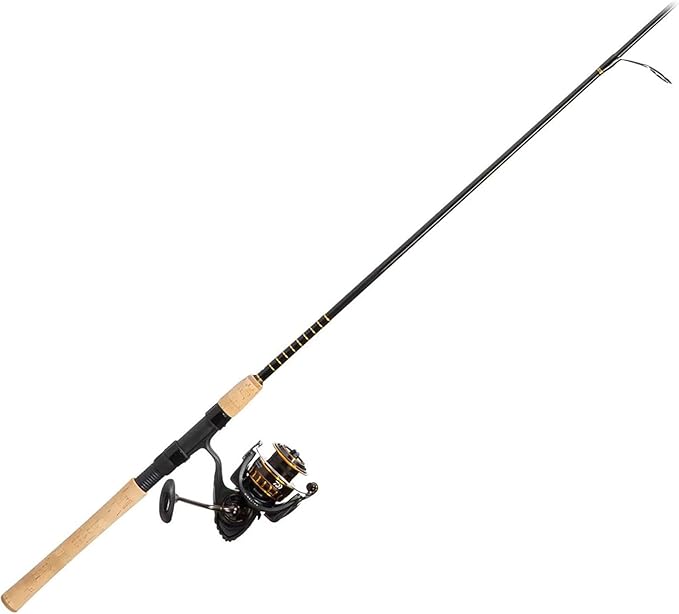
Daiwa BG Spinning Combo
Types of Wisconsin Fishing Licenses Available in 2024
Wisconsin offers a variety of fishing license options to accommodate different angler needs and preferences. Here’s an overview of the available licenses for both residents and non-residents:
Resident Fishing Licenses
- Annual License: $20
- First-Time Buyer License: $5
- 1-Day License: $8
- Junior License (16 & 17 years old): $7
- Senior Citizen License (65+ years old): $7
- Spousal License: $31
- 2-Day Great Lakes License (Includes Salmon/Trout Stamp): $14
- 2-Day Inland Lake Trout License (Includes Trout Stamp): $14
- Sturgeon License (Various): $20
Non-Resident Fishing Licenses
- Annual License: $50
- Annual Family License: $65
- Annual First-Time License: $25.75
- 1-Day License: $10
- 4-Day License: $24
- 15-Day License: $28
- 15-Day Family License: $40
- 2-Day Great Lakes License (Includes Salmon/Trout Stamp): $10
- Sturgeon License (Various): $50–65
How to Purchase a Wisconsin Fishing License
Obtaining a Wisconsin fishing license is a straightforward process. Anglers can purchase their licenses through the following methods:
- Online: Visit the Go Wild website (https://gowild.wi.gov/) to purchase and print your license instantly.
- In-Person: Visit one of the over 1,000 authorized license agents throughout the state, including sporting goods stores, bait shops, and DNR service centers.
- By Phone: Call the DNR at 1-888-WDNRINFo (1-888-936-7463) to purchase a license over the phone.
When purchasing a license, you’ll need to provide your date of birth and either a valid Wisconsin driver’s license number or a social security number.
Special Considerations and Exemptions
While most anglers require a fishing license, there are some exceptions and special considerations to keep in mind:
- Youth Anglers: Children under 16 years old can fish without a license in Wisconsin.
- Free Fishing Weekends: Wisconsin offers free fishing weekends in January and June, allowing residents and non-residents to fish without a license.
- Disabled Veterans and Residents: Discounted licenses are available for disabled residents and veterans.
- Conservation Patron License: This comprehensive license includes fishing privileges along with various hunting and conservation benefits.
The Broader Impact of Wisconsin’s Fishing License System
Beyond individual angler compliance, Wisconsin’s fishing license system has far-reaching effects on the state’s natural resources and outdoor recreation industry:
1. Habitat Preservation: License revenue funds crucial habitat restoration projects, ensuring that Wisconsin’s lakes, rivers, and streams remain healthy ecosystems for fish and wildlife.
2. Education and Outreach: The DNR uses license funds to support educational programs that promote responsible angling practices and environmental stewardship.
3. Research and Monitoring: Scientific studies funded by license sales help biologists better understand fish populations, migration patterns, and the overall health of Wisconsin’s waterways.
4. Infrastructure Maintenance: Fishing access points, boat ramps, and other recreational facilities benefit from the financial support provided by license sales.
5. Economic Multiplier Effect: The fishing industry’s economic impact extends beyond direct spending, supporting businesses in hospitality, retail, and outdoor recreation sectors.