
In Wisconsin, the cost of a fishing license varies depending on several factors, including residency status, age, and the type of license. For Wisconsin residents, an annual fishing license costs $20, while non-residents pay $50 for the same privilege. These fees support the state’s fish and wildlife management programs, ensuring sustainable fishing practices for future generations.
Understanding Wisconsin Fishing License Options
Wisconsin offers a variety of fishing license options to accommodate different needs and preferences. Whether you’re a resident, non-resident, senior citizen, or first-time angler, there’s a license tailored for you.
Resident Fishing Licenses
Wisconsin residents have access to several affordable fishing license options:
- Annual Fishing License: $20
- First-Time Buyer License: $5
- 1-Day Fishing License: $8
- Junior Fishing License (ages 16 & 17): $7
- Senior Citizen Fishing License (65 years & older): $7
- Spousal Fishing License: $31
These options provide flexibility for anglers of all ages and experience levels. The First-Time Buyer License, in particular, offers an excellent opportunity for new anglers to try fishing at a reduced cost.
Non-Resident Fishing Licenses
Out-of-state visitors planning to fish in Wisconsin have the following license options:
- Annual Fishing License: $50
- Annual Family Fishing License: $65
- 15-Day Fishing License: $28
- 4-Day Fishing License: $24
- 1-Day Fishing License: $10
The Family Fishing License is an excellent value for families visiting Wisconsin, as it covers two adults and up to two children aged 16 and 17.
Additional Stamps and Permits
Depending on the type of fishing you plan to do, you may need to purchase additional stamps:
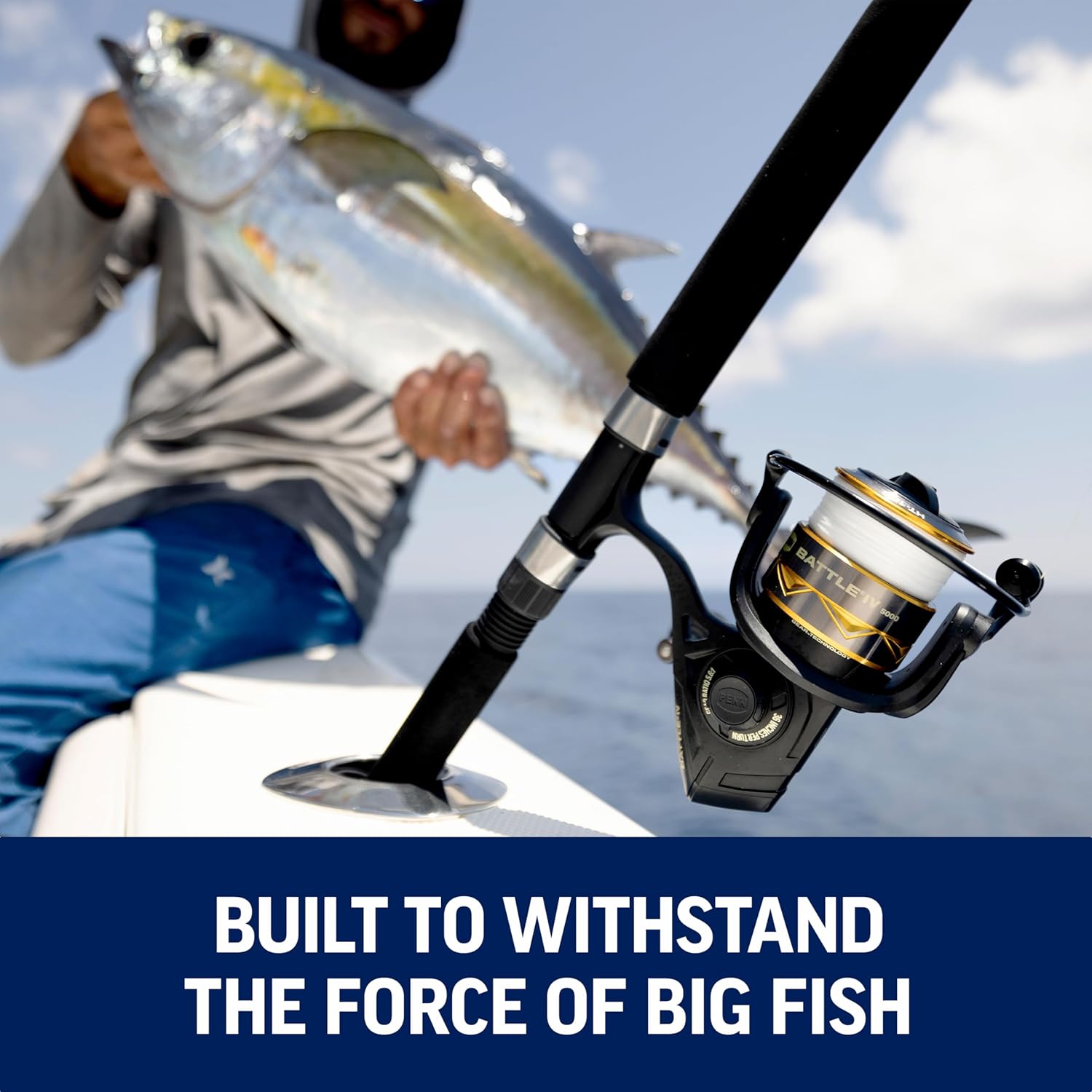
Penn Battle III Surf Spinning Combo
- Inland Trout Stamp: $10
- Great Lakes Salmon/Trout Stamp: $10
- Sturgeon Hook & Line Tag (Resident): $20
- Sturgeon Hook & Line Tag (Non-Resident): $50
These stamps are required for specific types of fishing and help fund conservation efforts for these species.
How to Purchase a Wisconsin Fishing License
Obtaining a fishing license in Wisconsin is a straightforward process. You can purchase your license through several convenient methods:
- Online: Visit the Wisconsin Department of Natural Resources (DNR) Go Wild website at https://gowild.wi.gov/. This platform allows you to purchase licenses, permits, and stamps quickly and easily.
- In-Person: Licenses are available at authorized sales locations throughout the state, including sporting goods stores, bait shops, and some convenience stores.
- DNR Service Centers: You can visit a DNR Service Center to purchase your license in person and get additional information about fishing regulations.
- By Phone: Call the DNR at 1-888-WDNRINFo (1-888-936-7463) to purchase your license over the phone.
When purchasing a license, you’ll need to provide your personal information, including your name, address, and date of birth. For online purchases, you’ll also need a valid credit card.
Fishing Regulations and Seasons in Wisconsin
Understanding Wisconsin’s fishing regulations is crucial for a successful and legal fishing experience. The state has specific rules regarding seasons, bag limits, and size restrictions for various fish species.
General Fishing Seasons
The general inland fishing season in Wisconsin runs from May 4, 2024, to March 2, 2025. However, specific seasons apply to certain species:
- Early Inland Trout (catch and release): January 6 - May 3, 2024
- General Inland Trout: May 4 - October 15, 2024
- Largemouth Bass (Northern Zone): May 4, 2024 - March 2, 2025
- Smallmouth Bass (Northern Zone): June 15, 2024 - March 2, 2025
- Musky (Northern Zone): May 25 - December 31, 2024
- Musky (Southern Zone): May 4 - December 31, 2024
Bag Limits and Size Restrictions
Wisconsin imposes bag limits and size restrictions to maintain healthy fish populations. Some key limits include:
- Walleye: 5 in total (combined walleye, sauger, and hybrids)
- Largemouth and Smallmouth Bass: 5 in total
- Northern Pike: 5 in total (north of U.S. Hwy 10), 2 in total (south of U.S. Hwy 10)
- Panfish: 25 in total (combined bluegill, pumpkinseed, yellow perch, white and black crappie)
- Muskellunge: 1 per day
It’s important to note that these limits may vary depending on the specific body of water you’re fishing. Always check local regulations before fishing.
Conservation Efforts and License Revenue
The revenue generated from fishing license sales plays a crucial role in Wisconsin’s conservation efforts. In the 2023-2024 fiscal year, the state’s fish and wildlife account faced a significant deficit, highlighting the importance of license sales in supporting wildlife management programs.
Funding Challenges and Solutions
The Wisconsin Department of Natural Resources (DNR) has reported a projected $16 million deficit in the fish and wildlife account by 2026. This shortfall is primarily due to declining hunting and fishing license sales, coupled with rising costs due to inflation.
To address this issue, the state has implemented several measures:
- Increased Non-Resident License Fees: The legislature raised prices for non-resident hunting and fishing licenses, generating an additional $5 million over a two-year period.
- Fund Transfers: $25 million was transferred from the DNR's forestry account to the fish and wildlife account to help bridge the gap.
- Proposed Legislation: A bill has been proposed to increase the cost of a non-resident bow and crossbow deer hunting license by an additional $35, potentially generating an extra $543,200 annually.
Impact on Fish and Wildlife Programs
The funding shortfall could affect various fish and wildlife management projects, including:
- Fish stocking programs
- Habitat restoration initiatives
- Warden services
- Chronic wasting disease monitoring
- Compensation for farmers' wolf depredation claims
Conservation groups and DNR officials are exploring long-term solutions to ensure sustainable funding for these critical programs.
Tips for Fishing in Wisconsin
Wisconsin offers excellent fishing opportunities across its numerous lakes, rivers, and streams. Here are some tips to enhance your fishing experience in the Badger State:
Frequently Asked Questions
Q: Do I need a fishing license if I’m just helping someone else fish?
A: Yes, if you’re actively assisting in fishing activities, such as handling fishing gear or helping to land fish, you need a license.
Q: Are there any days when I can fish without a license in Wisconsin?
A: Yes, Wisconsin offers Free Fishing Weekends twice a year, typically in January and June. During these weekends, residents and non-residents can fish without a license.
Q: Can I use my Wisconsin fishing license in other states?
A: No, fishing licenses are state-specific. You’ll need to purchase a separate license for each state you plan to fish in.
Q: How long is a Wisconsin fishing license valid?
A: Annual licenses are valid from the date of purchase through March 31 of the following year.
Q: Are there any exemptions from needing a fishing license in Wisconsin?
A: Yes, residents and non-residents under 16 years old and residents born before January 1, 1927, are exempt from needing a fishing license.