
Understanding Fishing License Basics
Before diving into the specifics of when to renew, it’s essential to grasp the fundamentals of fishing licenses:
Purpose of Fishing Licenses: Fishing licenses serve multiple purposes, including:
- Regulating fishing activities to protect fish populations
- Generating revenue for conservation efforts and habitat management
- Tracking fishing trends and participation rates
Types of Fishing Licenses: Most states offer various license options, including:
- Short-term licenses (e.g., 1-day, 3-day, 7-day)
- Annual licenses
- Multi-year licenses
- Lifetime licenses
Validity Periods: The duration of a fishing license can vary depending on the type and the issuing state. Generally, licenses fall into one of these categories:
- Fixed calendar year (e.g., January 1 to December 31)
- Rolling 12-month period from the date of purchase
- Specific season dates
When to Renew Your Fishing License
The timing for renewing your fishing license depends on several factors:
1. License Expiration Date
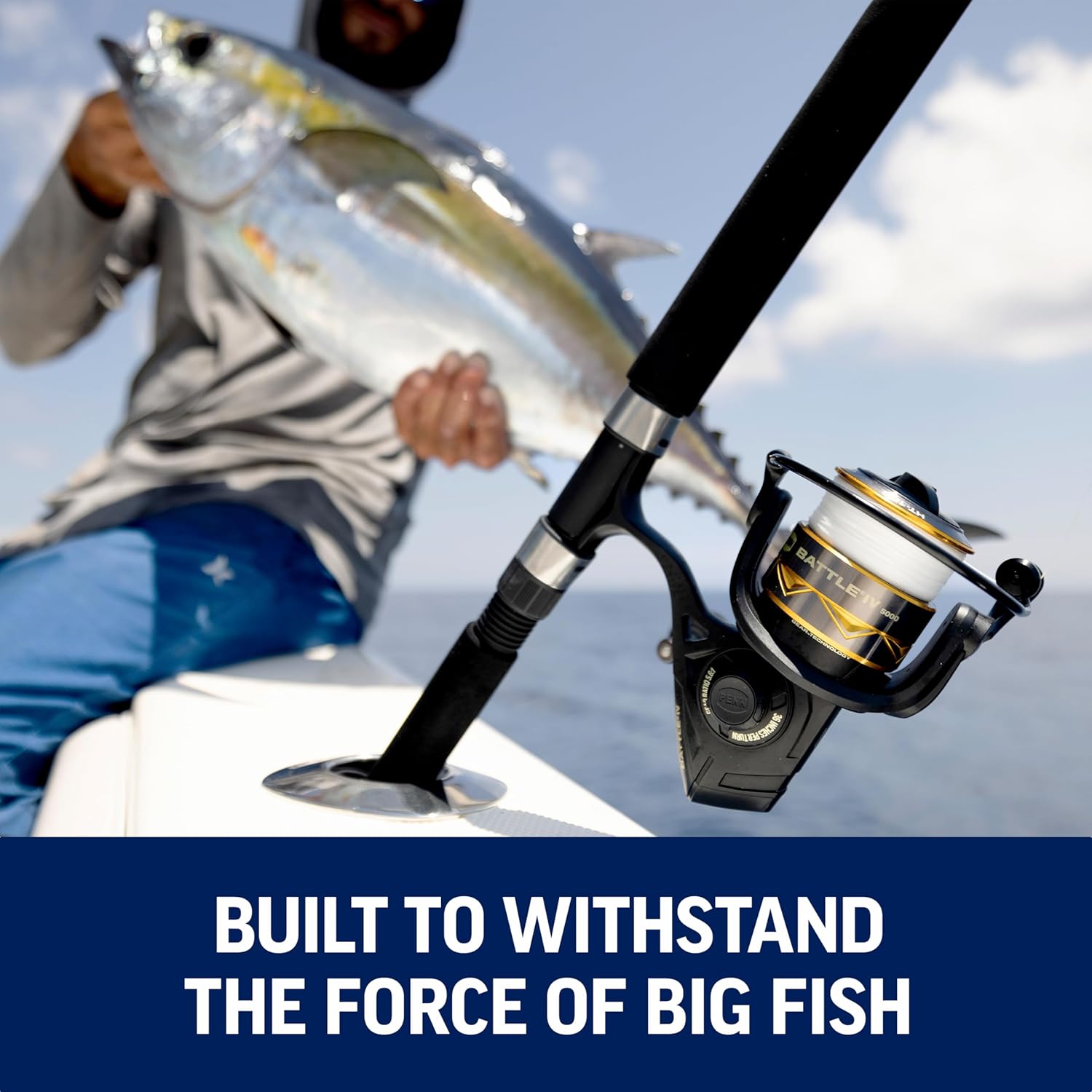
Penn Battle III Surf Spinning Combo
The most straightforward answer to when you should renew your license is before it expires. However, the exact expiration date can vary:
- Calendar Year Licenses: Some states, like California, issue annual licenses that expire on December 31st, regardless of the purchase date. In these cases, you should renew your license before January 1st of the new year.
- Anniversary Date Licenses: Other states offer licenses valid for 12 months from the date of purchase. For example, if you bought your license on June 15, 2023, it would expire on June 14, 2024. You should renew before this anniversary date.
- State-Specific End Dates: Some states have unique expiration dates. For instance, Texas fishing licenses expire on August 31st each year, regardless of when they were purchased.
2. Type of License
The renewal timing also depends on the type of license you hold:
- Short-Term Licenses: These typically don't require renewal. Instead, you would purchase a new short-term license for your next fishing trip.
- Annual Licenses: These need to be renewed yearly, either at the end of the calendar year or on the anniversary of purchase, depending on your state's regulations.
- Multi-Year Licenses: Some states offer 2-year, 3-year, or 5-year licenses. These need to be renewed less frequently but require careful tracking of the expiration date.
- Lifetime Licenses: These don't require renewal, but you may need to update your information periodically.
3. State-Specific Regulations
Each state has its own rules and processes for license renewals. Here are a few examples:
- California: Annual sport fishing licenses are valid from January 1 through December 31, or for the remainder of the year if purchased after January 1.
- Florida: Offers various license durations, including annual licenses that expire 12 months from the date of purchase.
- New South Wales, Australia: If you renew before your expiry date, your renewal begins from the date your current license expires, not from the date of payment.
Best Practices for License Renewal
To ensure you’re always fishing legally, consider these best practices:
1. Set Reminders: Mark your calendar or set a phone reminder for about a month before your license expires. This gives you ample time to renew without risking a lapse in coverage.
2. Consider Auto-Renewal: Some states, like California, offer auto-renewal options for annual licenses. This can be a convenient way to ensure your license is always current.
3. Keep Your License Accessible: Many states now offer digital licenses that can be stored on your smartphone. This makes it easy to check your expiration date and renew when necessary.
4. Renew Early: Don’t wait until the last minute to renew. Many states allow you to renew your license before it expires, with the new license becoming active once the old one lapses.
5. Stay Informed: Fishing regulations, including license requirements, can change. Check your state’s fish and wildlife department website periodically for updates.
Special Considerations
Lifetime Licenses: While these don’t need renewal, it’s important to keep your information current. Report any changes in address or contact details to your state’s licensing agency.
Combination Licenses: Some states offer combination licenses that include both fishing and hunting privileges. Be aware of the expiration dates for each component of these licenses.
Military Personnel: Many states offer special considerations for active duty military personnel, including extended validity periods or discounted rates. Check with your state for specific details.
Seniors and Youth: Some states offer reduced fees or extended validity periods for seniors and youth. These special licenses may have different renewal requirements.
Consequences of Fishing Without a Valid License
Fishing without a valid license can result in significant penalties:
- Fines, which can range from hundreds to thousands of dollars
- Potential confiscation of fishing gear
- Possible loss of fishing privileges
- In severe cases, criminal charges
Given these potential consequences, it’s crucial to stay on top of your license renewal.