
Wisconsin is a fishing paradise, with over 15,000 lakes, 42,000 miles of rivers and streams, and access to Lakes Michigan and Superior. Whether you’re a resident angler or visiting from out of state, you’ll need a fishing license before you can cast your line in Wisconsin’s waters.
The problem is, fishing license requirements can be confusing, especially for first-time anglers or those new to the state. What types of licenses are available? Who needs one and who is exempt? Where can you buy a fishing license?
Who Needs a Fishing License in Wisconsin?
In general, anyone age 16 or older needs a fishing license to fish in any waters of the state, including private ponds. This applies to both Wisconsin residents and non-residents. Even if you’re helping a child fish, you’ll need your own license.
However, there are a few exceptions to the license requirement:
- Wisconsin residents born before 1927 do not need a fishing license
- Children age 15 and under can fish without a license
- Anglers can fish without a license on Wisconsin’s Free Fishing Weekends - the first consecutive Saturday and Sunday in June, and the third weekend in January
Active duty Wisconsin residents in the U.S. Armed Forces on furlough or leave are also eligible for a free fishing license. Certain disabled veterans and people with disabilities may qualify for discounted licenses.
Types of Wisconsin Fishing Licenses
Wisconsin offers a variety of fishing license options depending on your residency and how often you plan to fish. Let’s break down the different types of licenses.
Resident Licenses
If you have lived in Wisconsin for at least 30 days, you are considered a resident for fishing license purposes. Residents have the following license options:
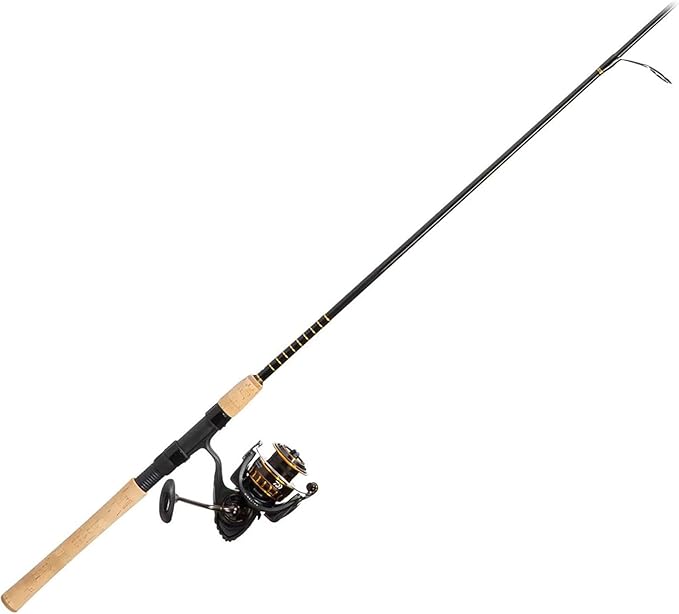
Daiwa BG Spinning Combo
- Annual fishing license: $20 - Valid from date of purchase through March 31 of the following year
- First-time buyer license: $5 - Discounted license for residents who haven’t purchased a fishing license in 10+ years
- One-day fishing license: $8 - Valid for the day of purchase until midnight
- Junior license (ages 16-17): $7
- Senior citizen license (ages 65+): $7
- Spousal license: $31 - Discounted combined license for married couples
- Disabled license: $7 - For legally blind residents or those receiving SSI or Railroad Retirement Disability Benefits
- Disabled veteran license: $3 - For veterans with a 70%+ service-connected disability rating
Residents may also need to purchase stamps to fish for certain species:
- Inland trout stamp: $10 - Required to fish for trout in inland waters
- Great Lakes salmon/trout stamp: $10 - Required to fish for salmon or trout in Lake Michigan or Superior
Non-Resident Licenses
Non-residents can choose from the following fishing license options in Wisconsin:
- Annual fishing license: $50
- Annual family fishing license: $65 - Covers a couple and any dependent children under age 18
- First-time buyer license: $25.75 - For non-residents who haven’t bought a WI license in 10+ years
- One-day fishing license: $10
- 4-day fishing license: $24
- 15-day fishing license: $28
- 15-day family fishing license: $40
Non-residents need the same inland trout stamp ($10) and Great Lakes salmon/trout stamp ($10) as residents to fish for those species.
How to Get a Wisconsin Fishing License
You have a few convenient options for purchasing a fishing license in Wisconsin:
- Online: Buy your license instantly through the Go Wild website (gowild.wi.gov). You’ll need a valid driver’s license or Social Security number. Print your license at home or save a digital copy on your phone.
- In person: Visit one of over 1,000 license agents statewide, such as sporting goods stores, bait shops, and DNR service centers. Use the DNR’s license agent locator to find an agent near you.
- By phone: Call the DNR’s license sales number at 1-888-936-7463.
Your fishing license is valid from the date of purchase through March 31 of the following year. Make sure to carry your printed or digital license with you whenever fishing, as wardens may ask to see it.
Fishing Regulations and Rules to Know
A fishing license grants you the privilege to fish in Wisconsin’s waters, but it also comes with the responsibility to follow the state’s fishing regulations. Here are some key rules to keep in mind:
- Bag limits: Each fish species has a daily bag limit that varies by water body. Consult the DNR’s regulation pamphlet for specific limits.
- Length limits: Certain fish must be a minimum length to keep. Again, check the regulations for the water you’re fishing.
- Seasons: Fishing seasons vary by species and location. Most Wisconsin waters have a continuous open season for game fish, but some have closed seasons.
- Bait restrictions: It’s illegal to release unused bait into any waters of the state. Unused bait should be discarded on land or in the trash.
- Fishing methods: Only hooks and lines may be used to catch fish (no snagging). The maximum is three hooks, baits or lures per line.
- Boating regulations: All boats must have a wearable life jacket for each person on board. Drain all water from your boat before leaving any body of water to prevent the spread of invasive species.
As responsible anglers, it’s crucial to read and understand the fishing regulations before wetting a line. Violating the rules can result in hefty fines and revocation of your fishing privileges.