
The short answer is that a driver’s license is the most widely accepted and convenient form of identification for buying a fishing license. However, it’s not the only option in most states. There are several other types of government-issued ID that will work, which is good news for anglers who don’t drive.
Key Takeaways
- A state-issued driver's license is the most widely accepted ID for fishing licenses, but not the only option
- Alternate forms of ID include passports, military IDs, state ID cards, tribal cards, and permanent resident cards
- Check your state wildlife agency for specific ID requirements before purchasing a license
- Bring valid, unexpired ID and proof of residency if needed for resident license prices
- Allow processing time for online or phone orders, or visit a license vendor in person for faster service
- Keep your fishing license and ID on you whenever fishing, as law enforcement can ask to see them
- Buying a fishing license directly supports fisheries conservation, access and opportunity in your state
Why You Need a Fishing License
Legal Requirement
Fishing licenses are mandatory in most states for anglers over 16 years old when fishing in public waters. This legal requirement ensures compliance with state regulations and supports conservation efforts. For instance, in Virginia, every person required to have a license must carry it while fishing and show it upon request to law enforcement officers or landowners.
Conservation Funding
When you purchase a fishing license, you’re directly contributing to conservation efforts. License fees are a crucial source of funding for state wildlife agencies, supporting various programs:
- Habitat restoration and fish stocking initiatives
- Maintenance of public fishing areas and boat ramps
- Research on fish populations and aquatic ecosystems
- Youth fishing education programs
For example, in 2020, the Indiana Division of Fish & Wildlife received $9.3 million from license sales, which was used to manage fish and wildlife resources throughout the state.
Sustainable Fisheries Management
Fishing licenses play a vital role in monitoring and managing fish populations. By tracking license sales and fishing activity, wildlife agencies can:
- Set sustainable harvest limits
- Identify trends in angler participation
- Make informed decisions about fisheries management
This data-driven approach helps maintain healthy fish populations for future generations of anglers.
Access to Prime Fishing Spots
Many high-quality fishing areas require a valid license for entry. By purchasing a license, you gain access to these prime locations, which often offer better fishing opportunities and well-maintained facilities.
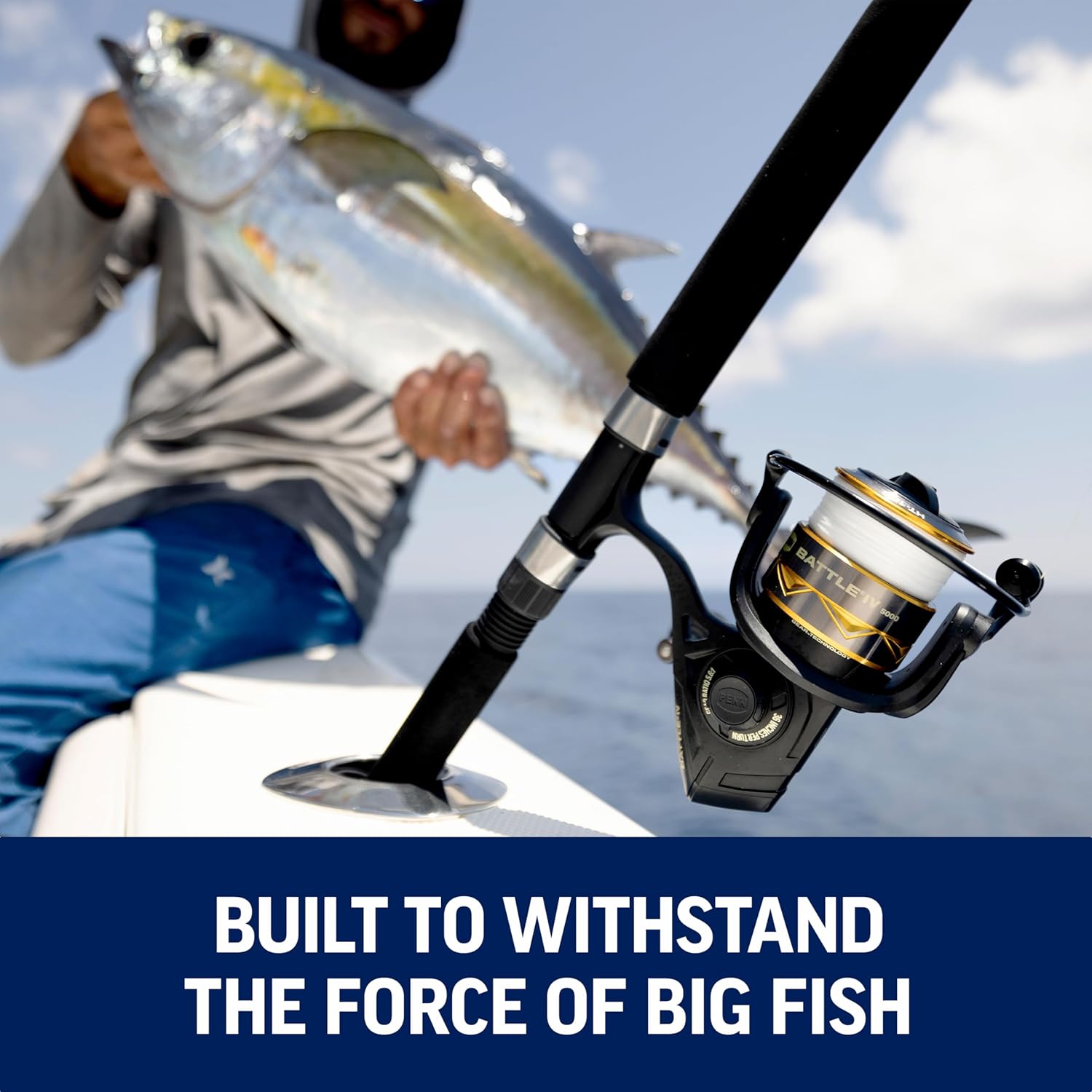
Penn Battle III Surf Spinning Combo
Avoiding Penalties
Fishing without a license can result in significant fines. These penalties are designed to deter illegal fishing and ensure that all anglers contribute fairly to conservation efforts. It’s always more cost-effective to purchase a license than to risk facing hefty fines.
Supporting Reintroduction Efforts
License fees have played a crucial role in reintroducing species to their native habitats. In Wisconsin, for example, funds from hunting and fishing licenses have supported the successful reintroduction of:
- Eastern Wild Turkey
- Elk
- Lake Trout
- Brook Trout
These efforts help restore ecological balance and enhance biodiversity in aquatic ecosystems.
Investing in the Future of Fishing
By purchasing a fishing license, you’re investing in the long-term sustainability of the sport. The American System of Conservation Funding ensures that license fees and excise taxes on fishing equipment directly support fish and wildlife conservation, public land access, and outdoor recreation opportunities.
Most Common Forms of ID for Fishing Licenses
Driver’s License: The Standard Choice
A valid driver’s license stands as the most widely accepted form of identification for obtaining fishing licenses across the United States. Its prevalence stems from several key factors:
- Official state-issued photo ID: Driver's licenses meet stringent security and verification standards required by licensing authorities.
- Proof of residency: These licenses typically display the holder's current address, crucial for determining resident vs. non-resident license fees and requirements.
- Widespread availability: As of 2025, approximately 88% of U.S. adults possess a driver's license, making it a convenient option for most anglers.
- Convenience: Anglers often carry their driver's license routinely, eliminating the need to remember additional documentation for fishing trips.
Alternative Acceptable Forms of ID
While driver’s licenses are the most common, fishing license issuers generally accept several other forms of government-issued identification:
- State-issued ID cards
- U.S. passports or passport cards
- Military identification cards
- Permanent resident cards (Green Cards)
State-Specific Requirements
Identification requirements can vary by state. For instance:
- California: The California Department of Fish and Wildlife (CDFW) accepts driver's licenses and requires a GO ID number for license purchases. More information
- Florida: The Florida Fish and Wildlife Conservation Commission (FWC) allows various proofs of residency, including driver's licenses and state ID cards. Details here
- Texas: The Texas Parks and Wildlife Department (TPWD) accepts multiple forms of ID and has specific requirements for non-residents. Texas fishing license info
Online License Purchases
For online fishing license purchases, many states now allow digital verification methods:
- Uploading scanned copies of accepted IDs
- Entering driver's license or state ID numbers
- Using existing customer profiles with verified information
Special Considerations
Some groups may have different ID requirements or exemptions:
- Seniors: Many states offer reduced fees or free licenses for residents 65 and older, often requiring proof of age and residency.
- Veterans and disabled individuals: Special licenses may be available with proper documentation of status.
- Youth anglers: Typically, anglers under 16 (age varies by state) are exempt from licensing requirements or have different ID needs.
Always check with your state’s fish and wildlife agency for the most up-to-date and specific identification requirements when purchasing a fishing license. Proper identification ensures a smooth licensing process and compliance with local regulations.
Alternate Forms of Fishing License ID
Accepted Identification for Purchasing Fishing Licenses
When buying a fishing license, various government-issued photo IDs serve as valid alternatives to a driver’s license. These include:
- State-issued non-driver ID card
- U.S. Passport or Passport Card
- U.S. Military ID (active duty, retired, or dependent)
- Permanent Resident Card (Green Card)
- Tribal ID from a federally recognized tribe
- Foreign passport with valid U.S. visa
Some states may accept additional forms such as voter registration cards, concealed carry permits, or even hunting licenses from the same state. The key requirement is an unexpired, government-issued photo ID.
Residency Verification for License Pricing
While alternate IDs suffice for purchasing a license, you might need extra proof of residency to qualify for resident license prices. This is because a driver’s license typically covers both identity and residency, whereas other forms of ID may not. Acceptable documents for residency verification often include:
- Vehicle registration
- Lease agreement
- Utility bill
- Tax return
It’s crucial to check with your state’s wildlife agency for specific ID requirements before applying for a fishing license.
Special Considerations for Youth and Seniors
In many states, including Michigan, individuals under 17 can fish without a license but must follow all fishing regulations. However, any adult assisting a minor without a license must possess a valid fishing license.
Some states offer reduced-fee or free fishing licenses for seniors, veterans, and individuals with disabilities. For instance, California provides a Reduced-Fee Sport Fishing License for low-income seniors aged 65 or older who receive Supplemental Security Income (SSI) or Cash Assistance Program for Aged, Blind, and Disabled Legal Immigrants (CAPI) benefits.
Digital Licensing Options
As of 2025, many states have implemented digital licensing systems, allowing anglers to display their fishing license on a smartphone or other mobile device. This convenient option reduces the need for physical identification in some cases, but it’s advisable to carry a backup form of ID when fishing.
Out-of-State Fishing Considerations
Non-resident anglers should be aware that licensing requirements and accepted forms of identification may differ from their home state. For example, Texas requires all non-residents to have a fishing license when fishing in public waters, with certain exceptions for those under 17 or seniors from specific states.
By understanding these alternate forms of fishing license ID and staying informed about your state’s specific requirements, you can ensure a smooth and legal fishing experience. Always verify the most current regulations with your local wildlife agency before heading out to fish.
Tips for a Smooth Fishing License Purchase in 2025
Check State Requirements
Before heading out to buy your fishing license, visit your state’s official wildlife agency website to confirm exact requirements. While most states follow similar guidelines, slight variations exist. For example, the Virginia Department of Wildlife Resources provides detailed information on fishing license requirements and fees.
Prepare Valid Identification
Ensure you have an unexpired, government-issued photo ID when purchasing your license. Acceptable forms typically include:
- Driver's license
- State-issued ID card
- Passport
- Military ID
Check that your ID is legible and up-to-date. If your address has changed, update it with your state’s DMV to avoid issues, especially when proving residency for resident license prices.
Consider Online Purchase Options
Many states now offer convenient online license purchasing. For instance, the New York State Department of Environmental Conservation allows anglers to buy licenses online, over the phone, or through official License Issuing Agents. Online purchases can save time and help you avoid long lines, particularly before peak fishing seasons.
Understand License Types and Durations
Familiarize yourself with available license options. Most states offer:
- Annual licenses (typically valid for 365 days from purchase date)
- Short-term licenses (e.g., 1-day, 2-day, or 10-day options)
- Specialized licenses for seniors, veterans, or disabled individuals
For example, California offers 365-day sport fishing licenses valid from the date of purchase, as well as short-term options for residents and non-residents.
Be Aware of Additional Requirements
Some states require extra validations or report cards for certain species or fishing areas. In California, anglers may need additional validations for ocean fishing or second-rod use. Check if your state has similar requirements to ensure full compliance.
Carry Your License While Fishing
Always keep your fishing license with you when fishing or transporting fish. Many states now accept electronic versions of licenses. For instance, Maine allows anglers to display an electronic license in lieu of a physical paper copy.
Take Advantage of Free Fishing Days
Many states offer free fishing days or weekends where anglers can fish without a license. These events are excellent opportunities to introduce friends or family to fishing. Check your state’s wildlife agency website for upcoming free fishing days in 2025.
By following these guidelines, you’ll ensure a smooth fishing license purchase process and be ready to enjoy the diverse fishing opportunities available across the United States in 2025.