
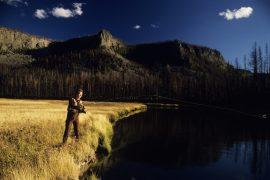
The Importance of Yellowstone Fishing Licenses
Fishing licenses in Yellowstone serve a dual purpose that goes far beyond mere bureaucratic requirements. First and foremost, they are a legal necessity - you simply cannot fish in the park without one. But more importantly, these licenses play a crucial role in the park’s conservation efforts.
Conservation Funding: When you purchase a Yellowstone fishing license, you’re directly contributing to the park’s Native Fish Conservation Program. This initiative is vital for protecting and restoring native fish populations, particularly the iconic Yellowstone cutthroat trout. Your license fees help fund research, habitat restoration, and invasive species management, ensuring that Yellowstone’s aquatic ecosystems remain healthy for generations to come.
Ecosystem Balance: Yellowstone’s native fish species, including cutthroat trout, Arctic grayling, and mountain whitefish, play a crucial role in the park’s ecological balance. They serve as a food source for numerous wildlife species, from ospreys and bald eagles to grizzly bears and otters. By regulating fishing through licenses, the park can maintain sustainable fish populations that support this intricate food web.
Invasive Species Control: One of the biggest threats to Yellowstone’s native fish is the presence of non-native species like brook, brown, and lake trout. These introduced fish compete with native species for resources and, in some cases, prey directly on them. Fishing licenses allow the park to manage angler activity and encourage the selective removal of non-native species, helping to mitigate their impact on native fish populations.
Types of Licenses and Fees: Yellowstone offers several options for fishing permits to accommodate different trip durations and angler preferences:
- 3-day permit: $40
- 7-day permit: $55
- Season permit: $75
- Children 15 and younger: Free (must be supervised by an adult with a valid permit)
It’s worth noting that starting in 2024, Yellowstone has expanded its fishing season in certain areas. The 2024 Yellowstone annual fishing permit will be valid from May 25 through December 31, 2024. Beginning in 2025, the annual fishing permit will cover the entire calendar year, from January through December.
Where to Purchase: You have several options for obtaining your Yellowstone fishing license:
- Online: The most convenient method is to purchase your license through the official Yellowstone National Park website. This allows you to plan ahead and avoid any last-minute hassles.
- In-Person: Licenses are available at all ranger stations, visitor centers, and Yellowstone General Stores within the park. This option can be great if you want to chat with park staff and get some local fishing tips.
- Local Vendors: Some approved vendors in gateway communities also sell Yellowstone fishing licenses.
Key Regulations: Understanding and following Yellowstone’s fishing regulations is crucial for both legal compliance and conservation efforts:
Penn Battle III Surf Spinning Combo
-
Fishing Season: The general fishing season runs from the Saturday of Memorial Day weekend through October 31. However, as of 2024, two locations now offer year-round fishing:
- The Madison River from the Wyoming/Montana state line to the park boundary near West Yellowstone, Montana.
- The Gardner River from Osprey Falls to its confluence with the Yellowstone River near Gardiner, Montana.
- Fishing Hours: Angling is permitted only from sunrise to sunset. Night fishing with artificial light is prohibited.
- Catch and Release: All native fish species, including cutthroat trout, Arctic grayling, and mountain whitefish, must be released immediately. This rule is crucial for maintaining healthy native fish populations.
- Artificial Lures Only: To minimize harm to fish and prevent the introduction of invasive species, only artificial flies and lures with barbless hooks are allowed. Live bait is strictly prohibited.
- Possession Limits: While catch-and-release is mandatory for native species, there are specific possession limits for non-native fish in certain areas. Always check the current regulations for details.
- Felt-Soled Footwear Ban: To prevent the spread of aquatic invasive species, footwear with felt soles or other absorbent materials is prohibited while fishing in Yellowstone.
Conservation Efforts and Native Fish Protection
Yellowstone’s fishing regulations are designed with a strong focus on native fish conservation. The park’s Native Fish Conservation Program is at the forefront of these efforts, working tirelessly to protect and restore native fish populations.
Threats to Native Fish: Yellowstone’s native fish face several challenges:
- Non-Native Species: Introduced fish like brown, brook, and rainbow trout compete with native species for food and habitat. Lake trout, in particular, are a significant predator of young cutthroat trout in Yellowstone Lake.
- Hybridization: Rainbow trout pose an additional threat by hybridizing with cutthroat trout, diluting the genetic purity of the native species.
- Climate Change: Warming waters and changing precipitation patterns can affect fish habitat and spawning conditions.
- Habitat Degradation: Human activities and natural events can impact water quality and fish habitat.
Conservation Strategies: To address these threats, Yellowstone has implemented several strategies:
- Selective Removal: Anglers are encouraged, and in some cases required, to harvest non-native fish species. This helps reduce competition and predation on native fish.
- Habitat Restoration: The park conducts projects to improve spawning habitat and water quality in key areas.
- Fish Barriers: In some streams, barriers have been installed to prevent non-native fish from moving into waters inhabited by native species.
- Genetic Conservation: The park maintains a broodstock program to preserve the genetic diversity of native cutthroat trout.
- Education and Outreach: By informing anglers about the importance of native fish conservation, the park encourages responsible fishing practices.
Practical Tips for Fishing in Yellowstone
Now that you understand the regulations and conservation efforts, here are some practical tips to enhance your Yellowstone fishing experience:
- Know Your Fish: Learn to identify different fish species, especially the difference between native and non-native trout. This is crucial for complying with catch-and-release regulations.
- Use Appropriate Gear: Bring a variety of artificial flies and lures suitable for different fishing conditions. Remember to use barbless hooks to minimize harm to fish.
- Practice Safe Release: When releasing fish, handle them gently and keep them in the water as much as possible. Use wet hands to avoid removing their protective slime coating.
- Be Bear Aware: Always carry bear spray and know how to use it. Make noise while hiking to fishing spots to avoid surprising bears.
- Check Water Conditions: Water levels and temperatures can greatly affect fishing success. Some streams may be closed temporarily due to low water levels or high temperatures to protect fish populations.
- Explore Different Waters: Don't limit yourself to just one spot. From the famous Madison and Yellowstone Rivers to hidden backcountry gems, each water body offers a unique fishing experience.
- Consider a Guide: If you're new to fly fishing or unfamiliar with the area, hiring a licensed guide can greatly enhance your experience and increase your chances of success.
- Clean Your Gear: To prevent the spread of aquatic invasive species, always clean, drain, and dry your fishing gear before moving between different water bodies.
Risks of Non-Compliance
Failing to comply with Yellowstone’s fishing regulations can have serious consequences, both legal and ecological:
Legal Consequences:
- Fishing without a valid license or violating park regulations can result in hefty fines.
- In severe cases, violators may face park bans or even criminal charges.
Ecological Impacts:
- Overfishing or improper handling of fish can harm populations, especially of sensitive native species.
- Using prohibited gear or bait could introduce invasive species or diseases into Yellowstone's waters.
- Ignoring regulations designed to protect spawning areas could disrupt fish reproduction cycles.
Remember, these regulations are in place not just as rules to follow, but as crucial measures to protect Yellowstone’s unique aquatic ecosystems for future generations of anglers and wildlife enthusiasts.
Additional Resources
To further enhance your Yellowstone fishing experience and stay informed about the latest regulations and conservation efforts, here are some valuable resources:
- Official Yellowstone National Park Fishing Page: This is your go-to source for up-to-date information on regulations, closures, and conservation efforts. Visit https://www.nps.gov/yell/planyourvisit/fishing.htm for the most current information.
- Yellowstone's Native Fish Conservation Program: Learn more about the ongoing efforts to protect native fish species and how you can contribute. Information can be found at https://www.nps.gov/yell/learn/nature/fish.htm.
- Local Fly Shops: Shops in gateway communities like West Yellowstone can provide current fishing reports, advice on fly selection, and local knowledge.
- Yellowstone Forever: The park's official nonprofit partner offers educational programs and supports conservation initiatives. Visit https://www.yellowstone.org/ for more information.
- USGS Stream Flow Data: For real-time information on water conditions in Yellowstone's rivers and streams, check https://waterdata.usgs.gov/wy/nwis/current/?type=flow.
- Yellowstone National Park Backcountry Situation Report: If you're planning to fish in remote areas, this resource provides valuable information on trail conditions and closures. Find it at https://www.nps.gov/yell/planyourvisit/situationreport.htm.