
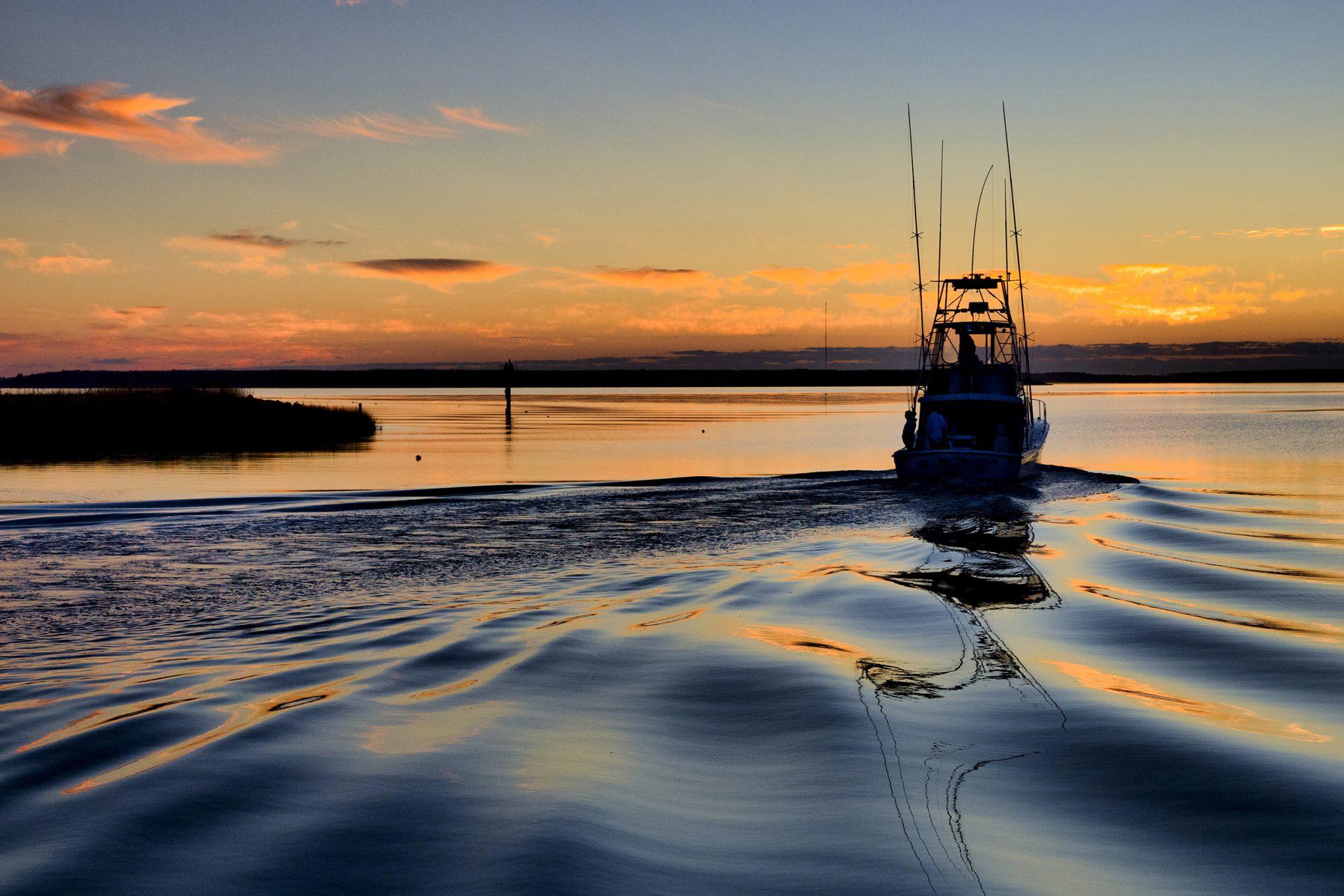
In Florida, USA, you generally need a saltwater fishing license if you’re 16 years or older and plan to fish in saltwater areas, including from the shore, a pier, or a boat. This requirement applies to both residents and non-residents, with some exceptions. The Florida Fish and Wildlife Conservation Commission (FWC) manages these licenses to ensure sustainable fishing practices and fund conservation efforts.
Understanding Florida’s Saltwater Fishing License Requirements
Who Needs a License?
Most anglers aged 16 and above need a saltwater fishing license in Florida. This includes:
- Florida residents fishing in saltwater areas
- Non-residents visiting Florida for saltwater fishing
- Individuals fishing from shore, piers, bridges, or boats in saltwater
The license requirement extends to various saltwater fishing activities, including:
- Angling with rod and reel
- Cast netting
- Spearfishing
- Gigging
- Using crab traps or lobster pots
It’s crucial to understand that even if you’re not actively fishing but assisting someone who is (e.g., baiting hooks or netting fish), you still need a valid license.
License Types and Duration
Florida offers several types of saltwater fishing licenses to accommodate different needs:
- Annual Resident Saltwater Fishing License: Valid for 12 months from the date of purchase.
- 5-Year Resident Saltwater Fishing License: Provides extended coverage for frequent anglers.
- Lifetime Saltwater Fishing License: Available for Florida residents, offering lifetime validity.
- Non-Resident Licenses: Available in 3-day, 7-day, and annual options.
The FWC also offers combination freshwater and saltwater licenses for those who enjoy both types of fishing.
How to Obtain a License
Obtaining a saltwater fishing license in Florida is straightforward:
- Online: Visit the official FWC website to purchase your license quickly and easily.
- In-Person: Visit a local tax collector's office or licensed agent (such as sporting goods stores or bait shops).
- By Phone: Call 1-888-FISH-FLORIDA (347-4356) to purchase your license over the phone.
When purchasing, you’ll need to provide personal information, including your name, address, and date of birth. For residents, proof of residency may be required.
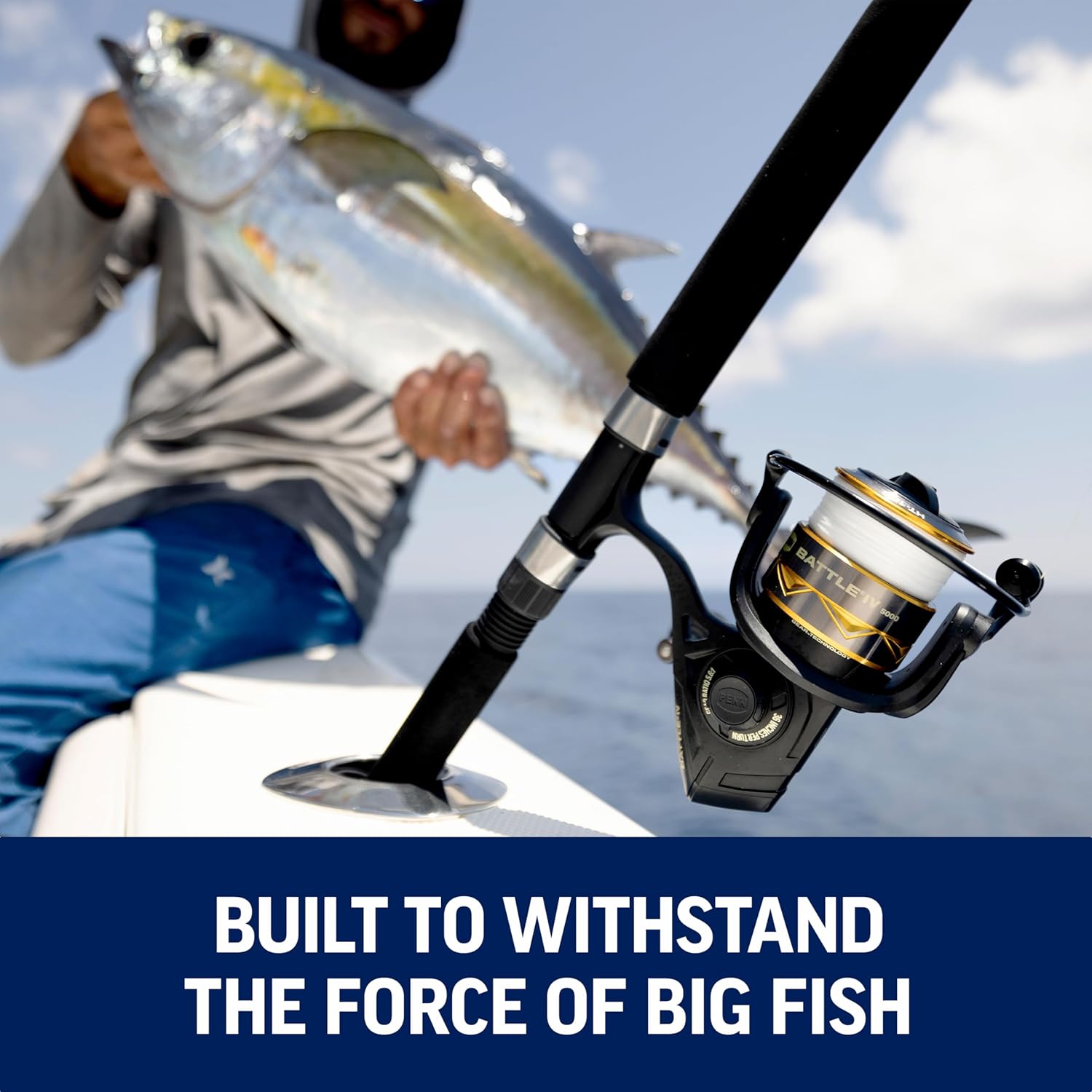
Penn Battle III Surf Spinning Combo
Exemptions and Special Considerations
While most anglers need a license, Florida does provide several exemptions:
- Florida residents aged 65 or older: Can fish without a license but must carry proof of age and residency.
- Children under 16: Do not need a fishing license.
- Active-duty military personnel: Florida residents in the U.S. Armed Forces can fish without a license while home on leave.
- Individuals with disabilities: Those who meet specific disability criteria may be eligible for a free fishing license.
- Fishing from a licensed pier or charter boat: The pier or charter's license typically covers all anglers.
It’s important to note that these exemptions apply to the license requirement only. All anglers, regardless of age or exemption status, must adhere to fishing regulations, including bag limits and size restrictions.
Penalties for Non-Compliance
Fishing without a valid license when required can result in significant penalties:
- Fines: First-time offenders may face fines of up to $50, plus the cost of the required license.
- Increased Penalties: Repeat offenses can lead to higher fines, up to $500.
- Court Appearances: In some cases, violators may be required to appear in court.
- Suspension of Fishing Privileges: Repeated violations can result in the suspension of fishing privileges.
To avoid these penalties, always ensure you have a valid license before engaging in any saltwater fishing activities in Florida.
Conservation and the Importance of Licensing
The saltwater fishing license program in Florida plays a crucial role in conservation efforts:
- Funding Conservation: License fees directly support marine habitat restoration, fisheries research, and law enforcement.
- Data Collection: Licensing helps track fishing activities, providing valuable data for managing fish populations.
- Sustainable Practices: By regulating fishing through licensing, Florida can maintain healthy fish populations for future generations.