
Why You Need a Minnesota Fishing License
Fishing in Minnesota isn’t just a pastime; it’s a way of life. The state’s commitment to preserving its aquatic resources is reflected in its licensing requirements. A fishing license is your ticket to legally fish in Minnesota’s abundant lakes, rivers, and streams. It’s not just about following the law; it’s about contributing to the conservation efforts that keep Minnesota’s waters teeming with fish for generations to come.
When do you need it? Your license is required whenever you’re fishing or even traveling from an area where you were fishing. It’s not just about the act of casting your line; it’s about being prepared and responsible throughout your entire fishing experience.
Types of Minnesota Fishing Licenses
Minnesota offers a variety of fishing licenses to suit different needs and durations. Whether you’re a resident, non-resident, planning a quick fishing trip, or looking for a year-round angling experience, there’s a license option for you.
Resident Fishing Licenses
If you’ve established legal residence in Minnesota for at least 60 consecutive days before purchasing a license, you qualify for resident rates. Here are the main types of resident licenses available:
- Individual Angling License (Code 111): This is the standard annual license for Minnesota residents, priced at $25. It's perfect for those who plan to fish regularly throughout the year.
- 24-Hour License (Code 110): Priced at $12, this short-term license is ideal for spontaneous fishing trips or visitors who want to try their hand at Minnesota fishing. It includes a trout stamp, making it a great value for trout enthusiasts.
- 72-Hour License (Code 140): At $14, this three-day option provides flexibility for weekend getaways or extended fishing trips.
- Three-Year Individual License (Code 141): For committed anglers, this long-term option costs $71, offering savings compared to purchasing annual licenses for three consecutive years.
- Combination Angling License (Code 112): Priced at $40, this license allows a married couple to fish together or separately, making it a great option for fishing duos.
- Conservation Individual Angling License (Code 105): At $17, this license allows fishing with reduced limits, appealing to those who practice catch-and-release or simply enjoy the sport without needing to keep as many fish.
- Conservation Combination Angling License (Code 106): Similar to the individual conservation license but for married couples, this option is priced at $27.
Non-Resident Fishing Licenses
Visitors to Minnesota have several license options to choose from:
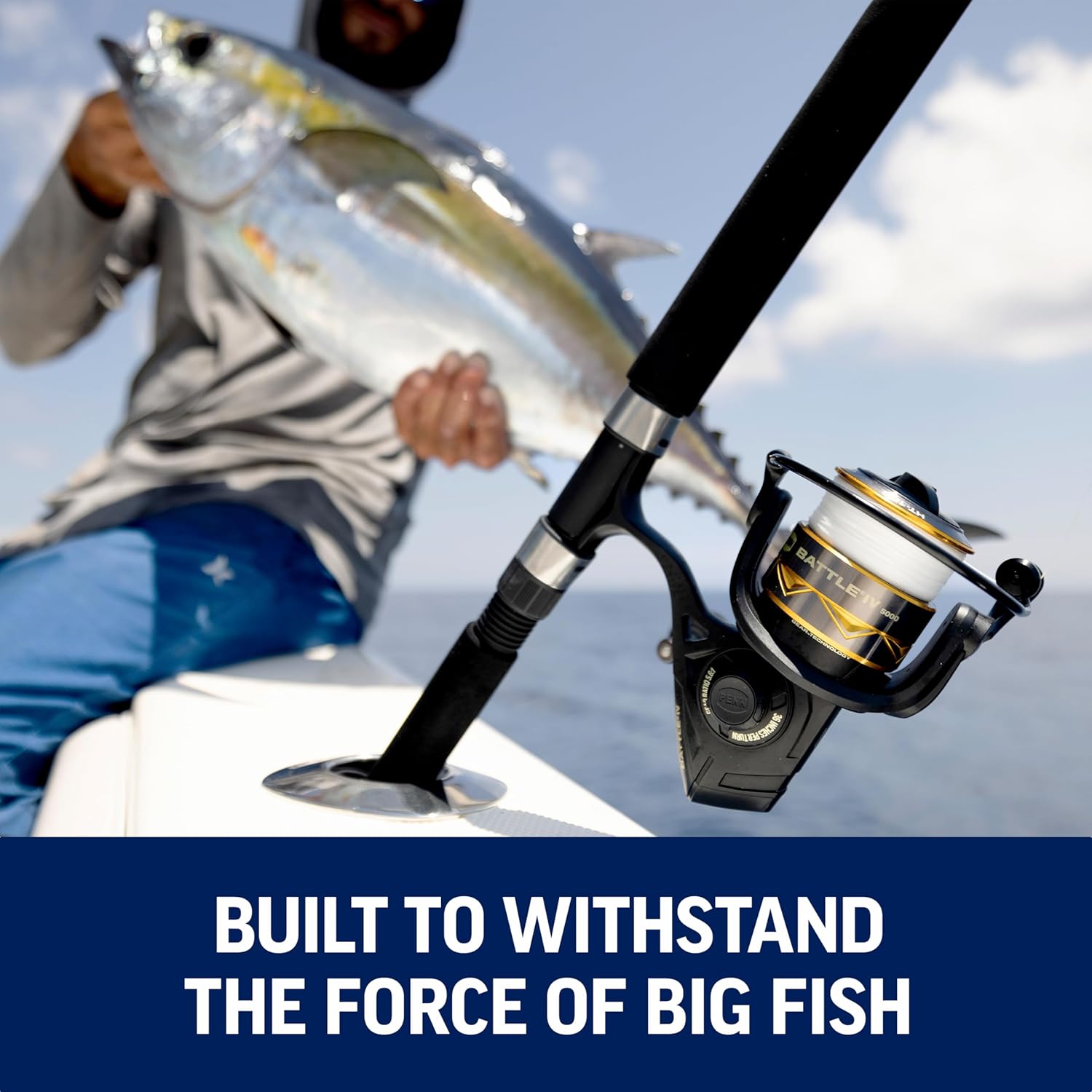
Penn Battle III Surf Spinning Combo
- Individual Angling License (Code 121): The standard annual license for non-residents, priced at $51.
- 24-Hour License (Code 120): A one-day option for $14, perfect for those passing through or on a short visit.
- 72-Hour License (Code 140): A three-day license costing $36, ideal for weekend trips or short vacations.
- Seven-Day License (Code 122): For week-long fishing adventures, this option is priced at $43.
- Family License (Code 124): At $68, this comprehensive license covers a married couple and their children under 16, making it an excellent value for families on vacation.
Specialty Licenses
Minnesota also offers specialty licenses that combine fishing privileges with other outdoor activities:
- Sports License (Code 216): This combination license allows one person to fish and hunt small game, costing $41 for residents.
- Super Sports License (Code 218): A comprehensive option that includes fishing, small game hunting, and a trout stamp, priced at $100 for residents.
- Lifetime Licenses: Available for various age groups, these licenses provide a lifetime of fishing privileges. Prices range from $344 for ages 3 and under to $574 for ages 51 and over.
Understanding these options helps you choose the license that best fits your fishing plans and budget. Remember, the cost of your license goes directly into the Game and Fish Fund, supporting fish and wildlife management, law enforcement, and other outdoor-related activities in Minnesota.
How to Purchase Your Minnesota Fishing License
Now that you’re familiar with the types of licenses available, let’s explore the various ways you can purchase your Minnesota fishing license. The Minnesota Department of Natural Resources (DNR) has made the process convenient and accessible through multiple channels.
Online Purchase
The most convenient method for many anglers is to buy their license online through the Minnesota DNR website. Here’s a step-by-step guide:
- Visit the official DNR license sales page: https://www.dnr.state.mn.us/licenses/fishing/index.html
- Click on the "Buy a License" button.
- Choose your license type from the available options.
- Follow the prompts to complete your purchase, providing necessary personal information and payment details.
- Once the transaction is complete, you can print your license or save it on your mobile device.
Pro Tip: Keep in mind that online purchases may incur a 3% transaction fee, plus a $1.65 fee if you opt for mail delivery of your license.
Phone Purchase
For those who prefer to speak with a representative or don’t have easy internet access, phone purchases are available 24/7. Here’s how:
- Call 1-888-665-4236 (1-MN-LICENSE).
- Have your credit card and personal information ready.
- A customer service representative will guide you through the process and issue a license identification number immediately.
The license ID number is valid until you receive your actual license in the mail. Note that there’s a 3% convenience fee for each phone transaction.
In-Person Purchase
If you prefer face-to-face interactions or want to support local businesses, you can buy your license at numerous locations throughout Minnesota:
- DNR license centers
- County auditor offices
- Sporting goods stores
- Bait shops
- Some convenience stores and gas stations
To find a nearby vendor, visit the DNR’s “License Agents” page and search by county or city.
Mobile App
The Minnesota DNR offers a mobile app that allows you to purchase and store your license digitally. This convenient option means you’ll always have your license with you as long as you have your smartphone.
Understanding Minnesota Fishing Regulations
Obtaining your license is just the first step in responsible fishing. Understanding and following Minnesota’s fishing regulations is crucial for preserving the state’s aquatic resources and ensuring fair and sustainable fishing practices for all anglers.
Fishing Seasons
Minnesota has specific opening dates for different fish species:
- Walleye, Northern Pike, and Bass: The general fishing opener is typically in mid-May. For 2024, it's set for May 11.
- Muskie: The season usually opens in early June. For 2024, it's June 1.
- Stream Trout: The season opener for stream trout in streams is typically in mid-April. For 2024, it's April 13.
Some species, like sunfish, crappies, perch, and channel catfish, have a continuous open season.
Daily and Possession Limits
Minnesota sets limits on how many fish you can catch and keep to ensure sustainable fish populations. These limits vary by species and sometimes by specific bodies of water. Here are some general statewide limits:
- Walleye: 6 daily, 6 in possession
- Northern Pike: 3 daily, 3 in possession (with size restrictions in some zones)
- Largemouth and Smallmouth Bass: 6 combined daily, 6 combined in possession
- Sunfish: 20 daily, 20 in possession (reduced limits on some waters)
- Crappie: 10 daily, 10 in possession
Always check the current regulations for the specific body of water you’re fishing, as some lakes and rivers have special regulations that may differ from these general limits.
Special Regulations
Many lakes and rivers in Minnesota have special regulations designed to improve fishing quality or protect specific fish populations. These may include:
- Catch-and-release only for certain species
- Slot limits (fish within a certain size range must be released)
- Reduced bag limits
- Restrictions on fishing methods or bait types
Before fishing a new body of water, always check the DNR’s LakeFinder tool or the current fishing regulations booklet for any special rules that may apply.
Bait and Tackle Regulations
Minnesota has specific rules about bait and tackle use to prevent the spread of invasive species and protect fish populations:
- Live minnows and leeches must be purchased from licensed bait dealers in Minnesota.
- It's illegal to import live minnows or leeches into Minnesota.
- Certain types of bait are prohibited in designated infested waters.
- There are restrictions on the number of lines you can use (generally one, but two are allowed when ice fishing).
Ice Fishing Regulations
Ice fishing is a popular winter activity in Minnesota, but it comes with its own set of rules:
- You can use two lines while ice fishing (except on designated trout lakes and streams).
- Fish houses left unattended overnight on the ice must be licensed.
- Different removal dates apply for fish houses based on location within the state.
Invasive Species Prevention
Minnesota takes the threat of aquatic invasive species seriously. Anglers must:
- Clean all aquatic plants and animals from watercraft and equipment.
- Drain all water from boats and equipment before leaving any water access.
- Dispose of unwanted bait in the trash, not in the water.
Tips for a Successful and Responsible Fishing Trip
Now that you’re equipped with your license and knowledge of the regulations, here are some tips to make your Minnesota fishing experience enjoyable and responsible:
- Know Before You Go: Research the body of water you plan to fish. Use the DNR's LakeFinder tool to get information on fish species, depth maps, and special regulations.
- Practice Catch and Release: Even if you're allowed to keep fish, consider releasing some or all of your catch to help maintain healthy fish populations.
- Use Appropriate Gear: Match your tackle to the species you're targeting to minimize harm to fish you intend to release.
- Be Prepared for Weather: Minnesota weather can be unpredictable. Check the forecast and dress in layers.
- Respect the Environment: Pack out what you pack in. Don't leave trash or discarded fishing line behind.
- Learn Proper Fish Handling: If you plan to release fish, wet your hands before handling them and return them to the water quickly.
- Educate Yourself: Attend a DNR fishing clinic or workshop to improve your skills and learn about conservation.
- Share the Water: Be courteous to other anglers and recreational users of Minnesota's waters.
- Support Conservation: Consider purchasing a voluntary walleye stamp with your license to support walleye stocking efforts.
- Stay Informed: Regulations can change from year to year. Always check the current fishing regulations before your trip.