
As we cast our lines into 2024, Minnesota’s Department of Natural Resources (DNR) continues to offer a diverse range of fishing licenses to suit every angler’s needs. Whether you’re a weekend warrior or a dedicated fishing enthusiast, navigating the waters of fishing regulations is crucial for a successful and legal angling experience.
Resident vs. Non-Resident: Breaking Down the Costs
Minnesota, like many states, differentiates between resident and non-resident anglers. This distinction significantly impacts license costs.
Resident anglers (those who have maintained a permanent abode in Minnesota for at least 60 days) enjoy more affordable rates:
- Annual license: $25
- Short-term options: $14 for 72 hours, $18 for 7 days
Non-resident anglers face higher fees:
- Annual license: $51
- Short-term options: $36 for 72 hours, $43 for 7 days
These 2024 prices reflect recent adjustments by the DNR to keep pace with conservation efforts and inflation. While the increase might pinch your wallet slightly, it’s a worthwhile investment in preserving Minnesota’s world-class fishing opportunities.
Specialized Licenses: Tailoring Your Angling Experience
Minnesota offers a variety of specialized licenses, each designed to fit different fishing styles and preferences. Let’s break down these options:
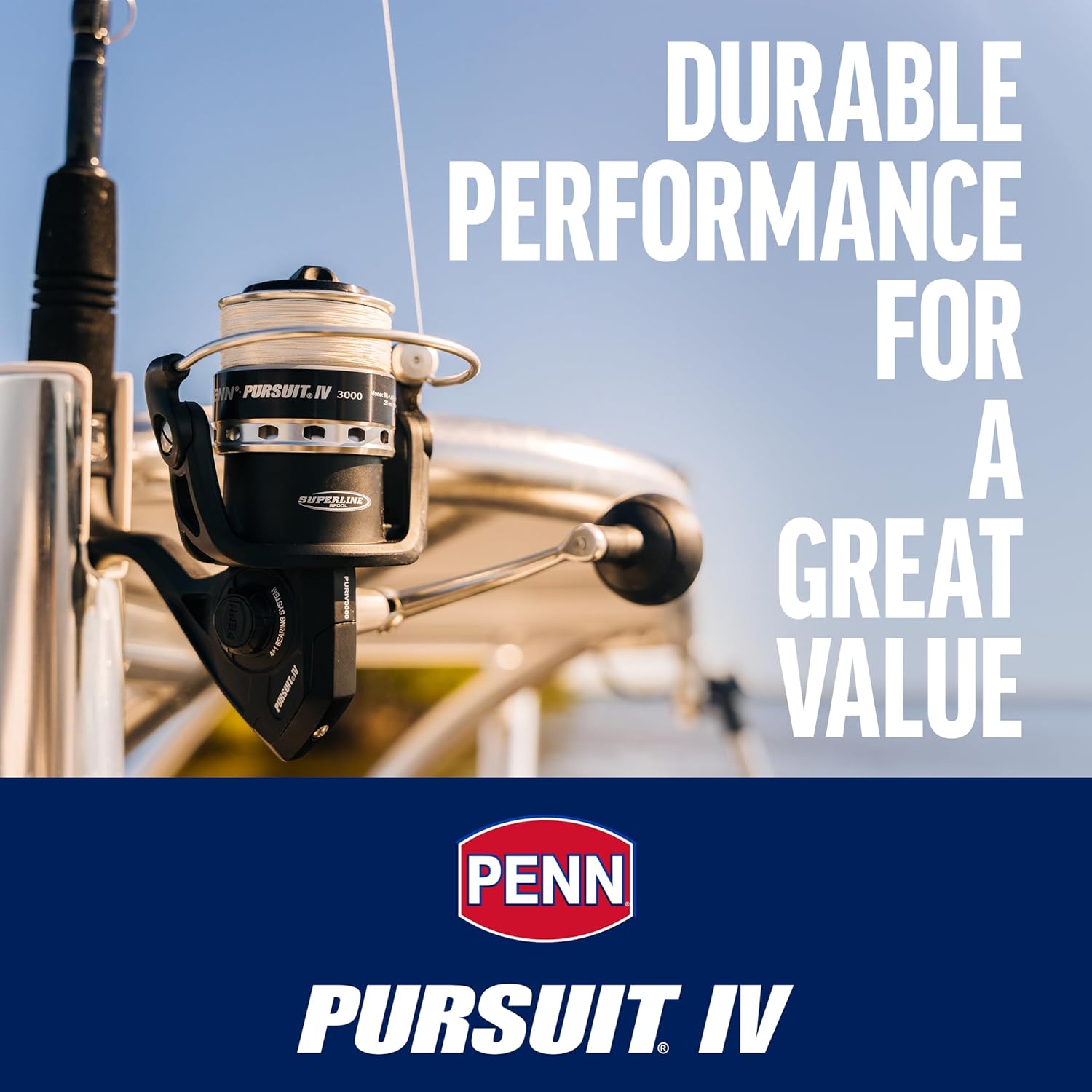
Penn Pursuit IV Spinning Combo
Trout Stamp: Unlocking Cold-Water Treasures
For those targeting trout and salmon in designated streams, a trout stamp is essential. Priced at $10 for residents and $13 for non-residents, this stamp opens up access to some of the Midwest’s premier cold-water fishing.
Popular trout fishing spots include:
- Whitewater River in southeastern Minnesota
- Baptism River on the North Shore
- Vermilion River in the northeast
Remember, when fishing in designated trout streams, special regulations often apply, including catch-and-release rules and artificial lure restrictions.
Lake Superior Stamp: Conquering the Big Lake
The Lake Superior stamp, priced at $10, is your ticket to pursuing lake trout, salmon, and steelhead in North America’s largest freshwater lake. This stamp is required for all anglers 16 and older when fishing Lake Superior and its tributaries up to the posted boundaries.
Key Lake Superior fishing areas include:
- Duluth Harbor
- Two Harbors
- Grand Marais
Sturgeon Tag: For the Patient Angler
If you’re after the prehistoric lake sturgeon, you’ll need a special tag. At $5 for residents and $10 for non-residents, this tag allows you to harvest one sturgeon per calendar year. Remember, sturgeon fishing is highly regulated, with specific seasons and size limits.
Senior and Youth Discounts: Fostering a Lifelong Passion
Minnesota recognizes the importance of keeping fishing accessible across generations:
- Seniors (65+): Enjoy a discounted annual license at $14
- Youth (16-17): Can fish for just $5 annually
- Children (under 16): Fish for free when accompanied by a licensed adult
These discounts aren’t just about saving money—they’re about preserving the tradition of fishing and ensuring its future. According to the DNR, youth participation in fishing has increased by 12% since the introduction of these discounted licenses.
The Digital Age: Licenses at Your Fingertips
Gone are the days of paper licenses tucked into plastic sleeves. Minnesota has fully embraced digital licensing, offering a convenient and eco-friendly alternative.
To purchase a digital license:
- Visit the Minnesota DNR website
- Create an account or log in
- Select your desired license type
- Complete the purchase
- Download the license to your smartphone
Benefits of digital licenses include:
- Instant access – no waiting for mail delivery
- Impossible to lose or damage
- Easily renewable online
- Reduces paper waste
However, it’s worth noting that some anglers prefer physical licenses for sentimental reasons or in areas with poor cell reception. The DNR still offers this option for those who prefer it.
Conservation: Your License Dollars at Work
Every dollar spent on fishing licenses in Minnesota goes directly into conservation efforts. In 2023, license sales contributed over $30 million to Minnesota’s Fish and Wildlife Fund. These funds support various initiatives:
- Habitat Restoration: In 2023, the DNR restored over 1,000 acres of shoreline habitat, benefiting species like walleye and northern pike.
- Fish Stocking: More than 350 million fish were stocked in Minnesota waters last year, including popular species like walleye, muskie, and trout.
- Research: Ongoing studies on fish populations, water quality, and invasive species help inform management decisions.
- Access Improvements: The DNR has improved or added 50 new public water accesses in the past year, enhancing angler opportunities statewide.
DNR Fisheries Chief Brad Parsons emphasizes the importance of license sales: “Every license purchased is an investment in the future of Minnesota’s fisheries. It’s what allows us to maintain healthy fish populations and improve angling opportunities for everyone.”
Comparing Costs: Minnesota in the National Landscape
When it comes to fishing license costs, Minnesota sits comfortably in the middle of the national pack. Let’s cast a line into other states for comparison:
- Wisconsin: $20 for residents, $50 for non-residents
- Michigan: $26 for residents, $76 for non-residents
- Iowa: $22 for residents, $48 for non-residents
- North Dakota: $16 for residents, $48 for non-residents
- South Dakota: $28 for residents, $67 for non-residents
- California: $52.66 for residents, $142.05 for non-residents
Minnesota’s pricing structure aims to balance accessibility with the need for conservation funding. While not the cheapest, it offers good value considering the state’s vast and diverse fishing opportunities.
Tips for Maximizing Your License Value
- Consider a combination license: If you hunt as well as fish, a combo license can save you money. The Sports License, which includes both fishing and small game hunting, is available for $41 for residents.
- Plan your trips: Short-term licenses can be cost-effective for occasional anglers. If you're planning multiple short trips, calculate whether an annual license might be more economical.
- Mark your calendar: Free fishing weekends (typically in June and February) offer a chance to fish without a license. These are great opportunities to introduce friends or family to the sport.
- Join a fishing club: Many local fishing clubs offer group rates on licenses or can provide valuable information on maximizing your fishing opportunities.
- Explore new waters: Your license is valid statewide. Try fishing in different regions to experience the diverse fishing Minnesota has to offer.
- Stay informed: Regulations and fees can change, so check the DNR website before each season. Sign up for the DNR's email newsletter to stay updated on any changes or special opportunities.