
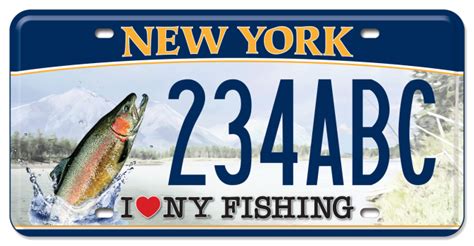
Why You Need a Fishing License in New York
New York State requires all anglers aged 16 and above to possess a valid fishing license while fishing in the state’s fresh waters. This requirement applies to both residents and non-residents alike. By obtaining a license, you not only adhere to the law but also contribute to the conservation and management of New York’s diverse fish populations and their habitats.
Types of Fishing Licenses in New York
The New York State Department of Environmental Conservation (DEC) offers several types of fishing licenses to cater to the needs of different anglers:
1. Resident Fishing Licenses
If you’ve been living in New York State for more than 30 days, you qualify for a resident fishing license. The fees for resident licenses are as follows:
- Annual License (ages 16-69): $25
- Annual License (ages 70+): $5
- 7-Day License: $12
- 1-Day License: $5
- Lifetime License: $460
2. Non-Resident Fishing Licenses
For anglers visiting from outside New York State, the following non-resident licenses are available:
- Annual License: $50
- 7-Day License: $28
- 1-Day License: $10
3. Free and Reduced-Fee Licenses
Certain individuals may be eligible for free or reduced-fee annual fishing licenses:
- Free Licenses:
* Residents who are legally blind
* Active-duty military members stationed in New York State
* Patients at qualifying U.S. Veterans Administration hospitals or facilities in New York State
- Reduced-Fee Licenses ($5):
- Residents aged 70 or older
- Resident veterans with a 40% or more service-related disability
- Reduced-Fee Licenses ($5):
How to Obtain Your New York Fishing License
Acquiring your fishing license in New York is a simple process, with three convenient options available:
- Online: Visit the official DECALS website to purchase your license online. You can print your confirmation immediately or opt to receive it by mail.
- By Phone: Call 1-866-933-2257 to order your license over the phone. You’ll receive a confirmation code that serves as your license until the physical copy arrives by mail.
- In Person: Visit any official License Issuing Agent, such as sporting goods stores, town clerks, or DEC regional offices, to purchase your license on the spot.
Remember to carry your fishing license with you whenever you’re fishing, as you may be asked to present it by a police officer or DEC representative.
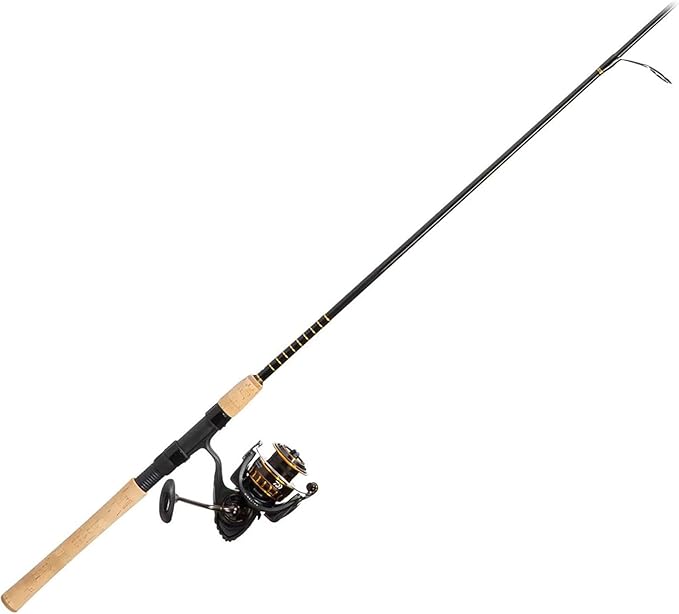
Daiwa BG Spinning Combo
Free Fishing Days in New York
To encourage more people to try their hand at fishing, New York State offers six Free Fishing Days throughout the year. On these designated days, the fishing license requirement is waived for all anglers, regardless of age or residency. The Free Fishing Days for 2024 are:
- February 17-18 (Presidents’ Day Weekend)
- June 29-30
- September 28 (National Hunting and Fishing Day)
- November 11 (Veterans Day)
Take advantage of these opportunities to introduce friends and family to the joys of fishing or to explore new waters yourself.
Frequently Asked Questions
1. Do I need a license to fish in New York’s marine waters?
No, you don’t need a license for saltwater fishing in New York. However, if you’re targeting migratory fish species, such as striped bass or bluefish, you must enroll in the free Recreational Marine Fishing Registry.
2. Can I fish in bordering waters with my New York fishing license?
Your New York fishing license allows you to fish in certain out-of-state waters that border New York, such as:
- Lake Champlain in Vermont
- The Delaware River in Pennsylvania
- Greenwood Lake in New Jersey (if fishing from a boat)
- Indian Lake in Connecticut (if fishing from a boat)
However, there are no reciprocal agreements with Canada or Vermont for fishing in Lake Ontario, Lake Erie, the St. Lawrence River, or the Niagara River. Be sure to stay within New York waters when fishing these boundary lines.
3. How can I prove my residency for a resident fishing license?
To qualify for a resident fishing license, you can provide any state-issued ID card, vehicle registration, tax form, voter card, student ID, military orders, pay stub, or a letter from your employer on official letterhead.