
Fishing in Alabama is not just a pastime; it’s a cherished tradition that connects people with nature and fosters community. However, before you cast your line, it’s essential to understand the requirements for obtaining an Alabama fishing license. This guide will provide you with everything you need to know, from the types of licenses available to the step-by-step process of acquiring one. Whether you’re a resident or a visitor, this comprehensive resource will ensure you’re well-prepared for your fishing adventures in the beautiful waters of Alabama.
Understanding Fishing License Requirements
Before you can fish in Alabama, you must understand who needs a fishing license. The state mandates that:
- Residents aged 16 and older must have a fishing license.
- Non-residents aged 16 and older are also required to obtain a license.
- Certain exemptions apply, such as for residents over 65 years old or individuals fishing from the bank in their home county with live bait.
This ensures that everyone participating in fishing activities contributes to the conservation of Alabama’s aquatic resources.
Types of Alabama Fishing Licenses
Alabama offers a variety of fishing licenses tailored to meet the needs of different anglers. Here’s a breakdown of the main types:
Resident Licenses
- Annual Freshwater Fishing License: $16.15
- Valid for one year from September 1 to August 31.
- Lifetime Fishing License: Prices vary based on age.
- Provides lifetime access to Alabama's freshwater resources.
- Daily Fishing License: $6.05
- Ideal for occasional anglers.
Non-Resident Licenses
- Annual Freshwater Fishing License: $54.20
- Allows non-residents to fish in Alabama's freshwater bodies for a year.
- 7-Day Fishing License: $30.40
- Perfect for visitors planning a short trip.
- Family 3-Day License: $30.40
- Covers immediate family members for a brief fishing excursion.
Specialty Licenses
- Saltwater Fishing License: Required for fishing in saltwater areas.
- Annual License: $24.35
- 7-Day License: $10.15
- Combination Licenses: These allow fishing in both freshwater and saltwater, providing flexibility for anglers who enjoy diverse fishing experiences.
Step 1: Determine Your Eligibility
Before you can apply for a fishing license, it’s crucial to determine your eligibility based on residency status:
- Residents: If you are a resident of Alabama, you must provide proof of residency. Acceptable forms of identification include a valid Alabama driver’s license or state-issued ID. This documentation verifies that you are a resident and entitled to the resident fishing license rates, which are generally more affordable.
- Non-Residents: If you are visiting Alabama from another state, you will need to present a driver’s license from your home state or another form of identification that proves your identity. Non-residents are subject to different licensing fees, which are typically higher than those for residents. Understanding these requirements is vital to avoid any delays in your application process.
Step 2: Choose the Right License
Selecting the appropriate fishing license is critical to ensuring you comply with Alabama’s fishing regulations. Consider the following options based on your fishing plans:
- Freshwater Fishing License: Ideal for anglers who plan to fish in Alabama's lakes, rivers, and streams. This license allows you to target species such as bass, catfish, and crappie.
- Saltwater Fishing License: Required for those who wish to fish in Alabama's coastal waters. This license covers fishing for species like redfish, flounder, and various saltwater game fish.
- Combination License: If you enjoy both freshwater and saltwater fishing, a combination license provides the flexibility to fish in both environments without the need for multiple licenses.
Step 3: Gather Required Information
Preparation is key when applying for your fishing license. Ensure you have the following information readily available:
- Name: Your full legal name as it appears on your identification.
- Date of Birth: This information helps verify your age, as certain licenses have age restrictions.
- Address: Provide your current residential address, which will be used to confirm your residency status.
- Driver’s License or ID Number: This number is essential for identification purposes and is required for both residents and non-residents.
- Social Security Number: For U.S. residents, your Social Security number is often required to help prevent fraud and ensure accurate record-keeping.
- Payment Method: Be prepared with a valid payment method, such as a credit or debit card, if applying online. If applying in person, you may also use cash or checks, depending on the location.
Having this information organized and ready will streamline your application process, allowing you to focus on what truly matters—planning your next fishing trip.
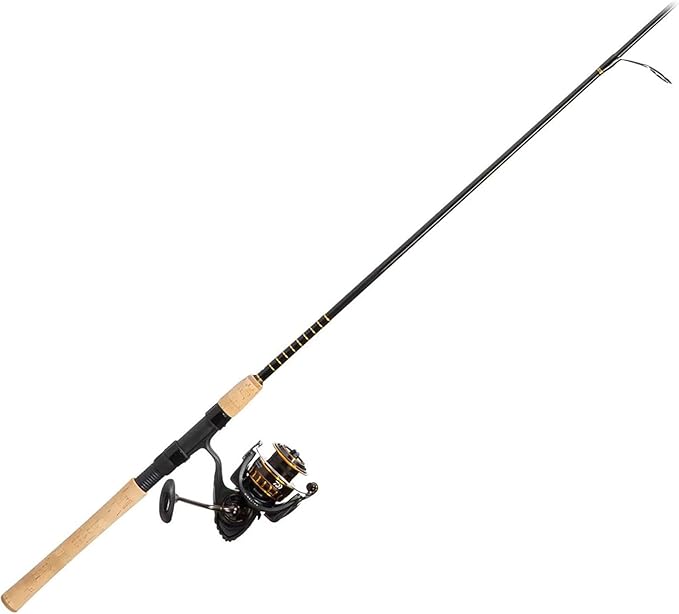
Daiwa BG Spinning Combo
Step 4: Apply for Your License
Once you have confirmed your eligibility and gathered all necessary information, you can apply for your fishing license through one of the following convenient methods:
- Online Application: The quickest and most efficient way to obtain your fishing license is through the Outdoor Alabama License Information website. This platform allows you to complete your application digitally, making it easy to access your license from the comfort of your home. Simply follow the prompts, enter your information, and complete your purchase.
- In-Person Application: If you prefer a face-to-face interaction or have questions about the licensing process, you can apply in person at various locations:
- County Probate Office: These offices handle fishing license applications and can assist you with any questions you may have.
- License Commissioner’s Office: Visit your local license commissioner’s office for assistance with the application process and to obtain your license directly.
- Certified Retailers: Many retailers, such as Walmart and Dick’s Sporting Goods, are authorized to sell fishing licenses. This option is particularly convenient if you are already shopping for fishing gear or supplies.
By following these steps, you can easily navigate the process of obtaining your Alabama fishing license, ensuring that you are ready to enjoy the state’s abundant fishing opportunities. Remember, having a valid fishing license not only allows you to fish legally but also supports conservation efforts that protect Alabama’s aquatic ecosystems for future generations. So, gather your gear, get your license, and make the most of your fishing adventures in Alabama!
Costs Associated with Fishing Licenses
Understanding the costs involved is crucial for budgeting your fishing trips. Here’s a summary of the fees associated with different licenses:
| License Type | Resident Cost | Non-Resident Cost |
|---|---|---|
| Annual Freshwater License | $16.15 | $54.20 |
| Daily Freshwater License | $6.05 | N/A |
| 7-Day Freshwater License | N/A | $30.40 |
| Annual Saltwater License | $24.35 | $52.50 |
| 7-Day Saltwater License | $10.15 | $28.85 |
| Lifetime Fishing License | Varies | N/A |
These fees contribute to the conservation efforts and management of Alabama’s natural resources.
Where to Purchase Your Fishing License
You have multiple options for purchasing your Alabama fishing license:
- Online: The quickest method is through the Outdoor Alabama website.
- In-Person Locations:
- County probate offices
- License commissioner’s offices
- Certified retailers like Walmart and local bait shops
Ensure you have all required documentation and payment methods ready to streamline the process.
Frequently Asked Questions (FAQs)
1. Do I need a fishing license to fish in Alabama?
Yes, anyone aged 16 and older must have a valid fishing license to fish in Alabama’s public waters.
2. How long is my fishing license valid?
Fishing licenses in Alabama are valid from September 1 to August 31 of the following year.
3. Can I fish without a license on Free Fishing Days?
Yes, Alabama hosts Free Fishing Days each year, allowing anyone to fish without a license on designated days.
4. What if I’m fishing with children?
Children under 16 do not need a fishing license, but adults accompanying them must have one.
5. How do I renew my fishing license?
You can renew your fishing license online or in person at the same locations where you can purchase a new license.