
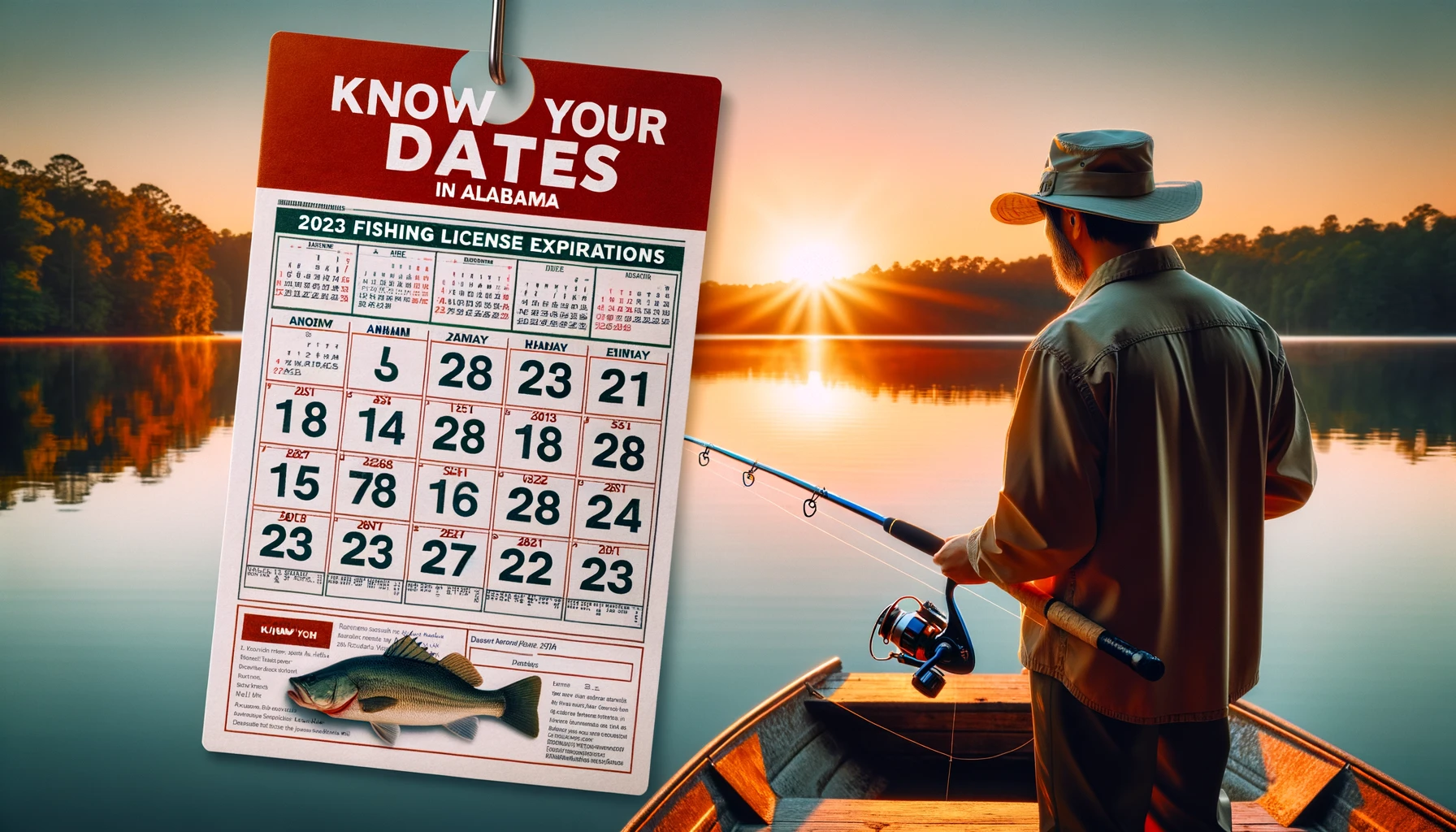
Understanding Alabama’s Fishing License System
Alabama’s Department of Conservation and Natural Resources has established a comprehensive fishing license system to manage recreational fishing activities and support conservation efforts. This system is designed to cater to both residents and non-residents, offering various options to suit different needs and fishing preferences.
Types of Fishing Licenses Available
Alabama offers several types of fishing licenses to accommodate different angler needs:
- Freshwater Fishing Licenses: These are required for fishing in Alabama's rivers, lakes, and streams.
- Saltwater Fishing Licenses: Necessary for fishing in designated saltwater areas, including parts of the Gulf of Mexico, Mobile Bay, and Mississippi Sound.
- Combination Licenses: These allow anglers to fish in both freshwater and saltwater areas.
- Short-term Licenses: Available for those planning brief fishing trips, typically ranging from 3 to 7 days.
- Annual Licenses: Valid from the date of purchase until August 31st of the following year.
- Lifetime Licenses: Available to Alabama residents, offering unlimited fishing privileges for life.
Resident vs. Non-Resident Licenses
Alabama distinguishes between resident and non-resident anglers when issuing fishing licenses. Residency is typically determined by the state listed on your driver’s license or non-driver’s ID card.
Resident Licenses:
- Available to individuals who have resided in Alabama for at least 90 days prior to purchasing a license.
- Generally less expensive than non-resident licenses.
- Offer more options, including lifetime licenses.
Non-Resident Licenses:
Penn Battle III Surf Spinning Combo
- Required for anyone who doesn't meet the residency criteria.
- Typically more expensive than resident licenses.
- Offer fewer long-term options compared to resident licenses.
Age and Special Exemptions
Alabama’s fishing license requirements include several age-based and special exemptions:
- Youth Exemption: Anglers under 16 years of age are not required to purchase a fishing license.
- Senior Exemption: Alabama residents aged 65 and older are exempt from purchasing a fishing license but must carry valid proof of age and residency.
- Disabled Veterans: May be eligible for free or discounted licenses.
- Landowner Exemption: Residents fishing in private ponds on their own property are exempt from license requirements.
It’s important to note that even if you’re exempt from purchasing a license, you may still need to register for certain types of fishing, such as saltwater angling.
2024 Fishing License Fees and Options
Understanding the cost and available options for fishing licenses is essential for planning your angling adventures in Alabama. Here’s a breakdown of the fees and options for the 2024 fishing season:
Resident Fishing License Fees
- Annual Freshwater Fishing License: $16.15
- Annual Saltwater Fishing License: $28.50
- Annual Freshwater/Saltwater Combination License: $54.65
- 7-day Saltwater Trip License: $11.80
- Annual Saltwater Pier Fishing License: $7.30
- Lifetime Freshwater Fishing License: Varies based on age, ranging from $115.45 for those under 2 years old to $345.45 for ages 50-64
Non-Resident Fishing License Fees
- Annual Freshwater Fishing License: $62.60
- Annual Saltwater Fishing License: $61.35
- 7-day Freshwater Fishing License: $35.00
- 7-day Saltwater Fishing License: $33.75
- 3-day Freshwater Family Fishing License: $35.00 (covers up to four people)
Combination and Special Licenses
- Annual All-Access Sportsman's Package (Resident): $138.05 (includes hunting and fishing privileges)
- Annual All-Access Fishing Package (Non-Resident): $133.95 (freshwater and saltwater fishing)
- Saltwater Reef Fish Endorsement: Additional $10.00 (required for fishing certain reef species)
- Spearfishing License: $44.50 for residents, $79.85 for non-residents
It’s important to note that these fees are subject to change and may include additional processing or convenience fees when purchased online or through certain vendors.
How to Purchase Your 2024 Alabama Fishing License
Obtaining your Alabama fishing license for the 2024 season is a straightforward process with several convenient options available:
Online Purchase
The most convenient method for many anglers is to purchase their license online through the Alabama Department of Conservation and Natural Resources website. Here’s how:
- Visit the official Outdoor Alabama website.
- Click on the "Licenses" tab.
- Select "Purchase a License Online."
- Create an account or log in if you already have one.
- Choose the type of license you need.
- Provide the required information and payment details.
- Print your license or save it on your mobile device.
Benefits of online purchase:
- Instant access to your license
- Ability to purchase 24/7
- Option to save your license digitally
In-Person Purchase Options
For those who prefer face-to-face transactions or need immediate assistance, several in-person options are available:
- License Agents: Numerous retail locations throughout Alabama, including sporting goods stores, bait shops, and some convenience stores, are authorized to sell fishing licenses.
- County Probate Offices: Most county probate offices can issue fishing licenses during regular business hours.
- Alabama State Parks: Many state parks offer license sales at their offices or visitor centers.
- Department of Conservation and Natural Resources Offices: District offices can process license applications and provide information on fishing regulations.
What to bring for in-person purchases:
- Valid government-issued ID (driver's license or state ID)
- Proof of residency (if applying for a resident license)
- Payment method (cash, check, or credit card, depending on the location)
Telephone Purchase
For those who prefer to purchase over the phone, Alabama offers a telephone licensing service:
- Call the designated licensing hotline (number available on the Outdoor Alabama website).
- Provide the required personal and payment information to the operator.
- Receive a temporary authorization number to use until your physical license arrives by mail.
Note: A convenience fee may apply for telephone purchases.
Understanding License Expiration and Renewal
Keeping track of your license expiration and understanding the renewal process is crucial for continuous and legal fishing activities in Alabama:
Expiration Date
- All recreational fishing licenses in Alabama expire on August 31st, 2024, regardless of the purchase date.
- This uniform expiration date simplifies the renewal process and helps anglers remember when to renew.
Renewal Process
- Renewal for the 2024-2025 fishing season begins on September 1st, 2024.
- You can renew your license using any of the purchase methods mentioned earlier (online, in-person, or by phone).
- It's recommended to renew your license before your first fishing trip after August 31st to ensure compliance with state regulations.
Auto-Renewal Option
Alabama offers an auto-renewal option for annual fishing licenses:
- Opt-in for auto-renewal when purchasing your license online.
- Your license will automatically renew each year on September 1st.
- You'll receive a notification before the renewal, allowing you to make changes or cancel if needed.
Lifetime Licenses
For Alabama residents who fish frequently, a lifetime license might be a worthwhile investment:
- Never expires, even if you move out of state.
- Available for various age groups, with costs decreasing for older applicants.
- Covers both freshwater and saltwater fishing.
Importance of Fishing Licenses and Conservation Efforts
Understanding the significance of fishing licenses goes beyond mere legal compliance. These licenses play a crucial role in supporting Alabama’s aquatic ecosystems and ensuring sustainable fishing practices for future generations.
Funding Conservation and Management
When you purchase a fishing license in Alabama, you’re directly contributing to the state’s conservation efforts:
- Habitat Restoration: License fees fund projects to restore and maintain fish habitats in Alabama's waterways.
- Fish Stocking Programs: Many popular fishing spots are regularly stocked with fish, a process funded by license sales.
- Research and Monitoring: Scientific studies on fish populations and water quality are supported by license revenues.
- Education Programs: Public outreach and angler education initiatives benefit from license funds.
Federal Matching Funds
Your license purchase has an even greater impact than you might realize:
- For every dollar spent on fishing licenses, Alabama receives additional federal funding for conservation.
- This matching system significantly amplifies the positive impact of your license purchase on the state's natural resources.
Ensuring Sustainable Fishing Practices
Fishing licenses are a key tool in managing fish populations:
- They help regulate the number of anglers and their impact on fish stocks.
- License requirements often come with education on catch limits and size restrictions, promoting responsible fishing.
Supporting Local Economies
The fishing industry is a significant contributor to Alabama’s economy:
- License sales support local businesses that cater to anglers, including bait shops, marinas, and fishing guides.
- By maintaining healthy fish populations, licenses help sustain tourism and recreational fishing industries.
Special Considerations for the 2024 Fishing Season
As you prepare for the 2024 fishing season in Alabama, keep these special considerations in mind:
Free Fishing Days
Alabama typically offers free fishing days each year, allowing residents and non-residents to fish without a license:
Saltwater Angler Registry
Even if you’re exempt from purchasing a saltwater fishing license (e.g., seniors over 65), you may still need to register:
- The Saltwater Angler Registry is free but mandatory for certain exempt anglers.
- It helps the state collect important data on fishing activities and fish populations.
- Register online through the Outdoor Alabama website or at any license agent.
Reef Fish Endorsement
If you plan to fish for certain reef species in Gulf waters, you’ll need an additional endorsement:
- The Reef Fish Endorsement is required in addition to your saltwater fishing license.
- It applies to popular species like red snapper, grouper, and amberjack.
- The endorsement costs an additional $10 and expires along with your fishing license on August 31st.
Spearfishing Regulations
For those interested in spearfishing, be aware of specific regulations:
- A separate spearfishing license is required in addition to your regular fishing license.
- Spearfishing is prohibited in certain areas and for certain species.
- Always check the current regulations before engaging in spearfishing activities.
Fishing Regulations and Best Practices
While having a valid fishing license is crucial, it’s equally important to understand and follow Alabama’s fishing regulations and best practices:
Catch Limits and Size Restrictions
Alabama imposes catch limits and size restrictions on various fish species to maintain healthy populations:
- These limits can vary by species, location, and season.
- Always check the current regulations before your fishing trip, as they may change annually.
- Common restricted species include bass, crappie, and various saltwater fish.
Seasonal Considerations
Some fish species have specific open and closed seasons:
- For example, the red snapper season in the Gulf is strictly regulated and changes yearly.
- Stay informed about these seasonal restrictions to plan your fishing trips accordingly.
Proper Handling and Release Techniques
Practicing catch and release? Follow these guidelines:
- Use appropriate tackle to minimize stress on the fish.
- Wet your hands before handling fish to protect their slime coat.
- Quickly remove the hook and return the fish to the water.
- If deep-hooked, cut the line close to the mouth instead of trying to remove the hook.
Invasive Species Prevention
Help prevent the spread of invasive species:
- Clean your boat and equipment thoroughly between water bodies.
- Never release live bait into a body of water unless it came from that same water.
- Be aware of and report any suspected invasive species sightings.