
Understanding Fishing Licenses in Delaware
Why You Need a Fishing License
A fishing license is not just a legal requirement; it plays a crucial role in the conservation of aquatic ecosystems. By purchasing a fishing license, you contribute to the funding of fishery management programs, habitat restoration, and conservation efforts, ensuring that future generations can enjoy Delaware’s rich fishing resources.
Who Needs a Fishing License?
In Delaware, any individual aged 16 and older is required to have a valid fishing license to fish, crab, or clam in both tidal and non-tidal waters. This applies to both residents and non-residents. Additionally, all anglers must obtain a Delaware Fisherman Information Network (FIN) number, which is free and issued automatically when you purchase a fishing license. More information can be found on the DNREC website.
Exemptions from Licensing
Certain groups are exempt from needing a fishing license, including:
- Children under 16 years old
- Residents aged 65 and older (must provide proof of age and residency)
- Individuals fishing on their own farmland (20 acres or more)
- Veterans with a service-connected disability
- Those fishing in fee-based fishing areas
For more details on exemptions, visit the DNREC Exemptions page.
Types of Fishing Licenses Available
Delaware offers several types of fishing licenses to cater to different needs. Here’s a breakdown of the most common licenses:
1. Resident Fishing License
- Cost: $8.50 annually
- Eligibility: Required for residents aged 16 to 64
- Coverage: Allows fishing in all Delaware waters, including both freshwater and saltwater.
2. Non-Resident Fishing License
- Cost: $20 annually
- Eligibility: Required for non-residents aged 16 and older
- Coverage: Same as the resident license, valid for all Delaware waters.
3. Temporary Fishing License
- Cost: $12.50 for a 7-day license
- Eligibility: Non-residents looking for short-term fishing opportunities.
- Coverage: Allows fishing in all Delaware waters for the duration of the license.
4. Boat Fishing License
- Cost: $40 for boats 20 feet or less; $50 for boats over 20 feet
- Eligibility: Required for fishing from a boat.
- Coverage: Covers fishing activities from the specified boat size.
5. Trout Stamp
- Cost: $4.20 for residents aged 16 to 64; $6.20 for non-residents
- Eligibility: Required for anglers targeting trout.
- Coverage: Necessary for fishing in designated trout waters.
6. Head Boat and Charter Boat Licenses
- Cost: Varies based on the type of service.
- Eligibility: Required for vessels hired for fishing.
- Coverage: Covers all paying passengers, the captain, and crew while fishing aboard the vessel only.
For more information on license types and costs, check the DNREC Licensing page.
How to Obtain Your Delaware Fishing License
Step-by-Step Application Process
- Determine the Type of License Needed: Assess whether you need a resident, non-resident, or temporary license based on your fishing plans.
- Gather Required Documents: Have your identification ready, including proof of residency if applicable.
- Apply Online or In-Person:
- Online: Visit the Digital DNREC website to purchase your license and obtain your FIN number.
- In-Person: Licenses can also be purchased at DNREC headquarters or authorized agents throughout the state.
- Receive Your License and FIN Number: After completing your application, you will receive your fishing license and FIN number. Ensure you have both when fishing.
Important Tips for Applying
- Check for Discounts: Some licenses may have discounts available for seniors or veterans.
- Renewal: Fishing licenses must be renewed annually. Set a reminder to avoid lapses in your fishing privileges.
Costs Associated with Fishing Licenses
Understanding the costs involved is essential for budgeting your fishing activities. Here’s a summary of the fees for various licenses:
| License Type | Resident Cost | Non-Resident Cost |
|---|---|---|
| Annual Fishing License | $8.50 | $20.00 |
| Temporary Fishing License | N/A | $12.50 (7 days) |
| Boat Fishing License (≤20 ft) | $40.00 | $50.00 |
| Trout Stamp | $4.20 | $6.20 |
For detailed pricing and additional licenses, refer to the DNREC Licensing page.
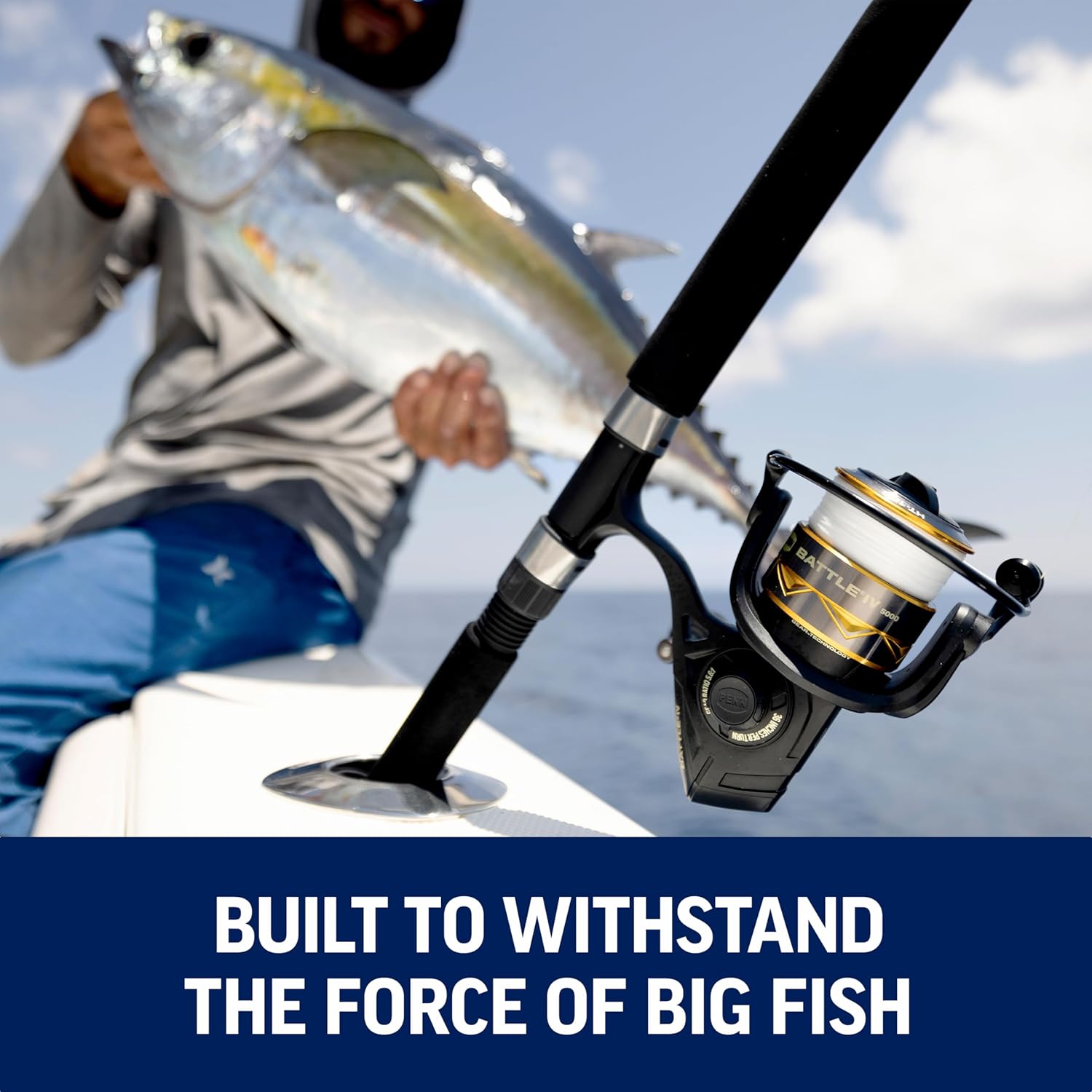
Penn Battle III Surf Spinning Combo
Regulations You Should Know
Fishing Seasons and Limits
Delaware has specific fishing seasons and limits that vary by species. It is crucial to familiarize yourself with these regulations to ensure compliance and sustainability. Key regulations include:
- Size Limits: Minimum size limits for certain fish species to protect juvenile populations.
- Daily Catch Limits: Restrictions on the number of fish you can catch in a day.
- Seasonal Restrictions: Some species may only be fished during designated seasons.
For the latest regulations, visit the DNREC Fishing Regulations page.
Conservation Efforts
Delaware is committed to preserving its aquatic resources. Anglers are encouraged to practice catch and release for certain species to support population recovery. Additionally, participating in local conservation programs can contribute to the health of Delaware’s waterways.
Popular Fishing Spots in Delaware
Delaware is a hidden gem for fishing enthusiasts, offering a diverse range of fishing locations that cater to various preferences and skill levels. Whether you prefer freshwater streams, tidal rivers, or the open ocean, Delaware has something for everyone. Below, we explore some of the most popular fishing spots in the state, providing detailed insights to enhance your fishing experience.
1. Delaware River
The Delaware River is renowned for its rich biodiversity and is a prime location for catching a variety of species, including striped bass, catfish, and walleye. This river is particularly famous for its spring and fall migrations of striped bass, making it a hotspot for anglers looking to land this prized game fish. The river’s structure, featuring deep holes and submerged rocks, provides ideal habitats for these species.
Access
Anglers can access the Delaware River from multiple points, including parks and public lands. Notable access points include:
- Washington Crossing State Park: Offers scenic views and ample fishing opportunities.
- Burlington Island: Known for its quiet spots and less crowded fishing areas.
- Lumberville: A popular launch point for boaters and shore fishermen alike.
For more information on fishing regulations and access points, visit the Pennsylvania Fish and Boat Commission.
2. Indian River Inlet
The Indian River Inlet is celebrated for its exceptional saltwater fishing opportunities. Anglers can expect to catch species such as flounder, bluefish, and striped bass. The inlet is particularly known for its deep waters, which attract larger game fish, especially during the summer months.
Access
Accessible via the Indian River Inlet Bridge, this location features facilities for boat launching, making it convenient for both shore and boat anglers. Key features include:
- Fishing Pier: A popular spot for anglers looking to catch fish without a boat.
- Beach Access: Ideal for surf fishing, especially during the early morning or late evening when fish are most active.
For more detailed information on fishing opportunities and regulations at the inlet, check out the Delaware State Parks Fishing page.
Access
The park provides designated surf fishing areas for license holders, with easy access to the beach. Key features include:
- Fishing Piers: Great for families and those who prefer fishing from a stable platform.
- Accessible Beaches: Ideal for surf casting, especially during the summer months when fish are abundant.
For more information on fishing regulations and permits, visit the Delaware State Parks.
4. Brandywine Creek
Brandywine Creek is a picturesque freshwater fishing hotspot, particularly popular for its trout fishing. The creek is stocked with trout in the spring, making it an excellent destination for anglers looking to catch these fish. The scenic surroundings and tranquil waters provide a relaxing fishing experience.
Access
Various public access points along the creek allow for easy fishing access. Notable locations include:
- Brandywine Park: Offers well-maintained paths and fishing spots along the creek.
- Wilmington State Park: Provides additional access points and beautiful scenery for a day of fishing.
For further details on fishing regulations and access points, refer to the Delaware Division of Fish and Wildlife.
Supporting Evidence and Statistics
According to the Delaware Division of Fish and Wildlife, the state’s diverse aquatic habitats support over 100 species of fish, making it a prime location for fishing enthusiasts. The Delaware River, in particular, has seen an increase in striped bass populations, with reports indicating a record year for size and quantity in recent seasons.
Do I need a fishing license to fish in Delaware?
Yes, anyone aged 16 and older must have a valid fishing license to fish in Delaware waters. For more information, check the DNREC FAQ page.
How do I apply for a Delaware fishing license?
You can apply online through the Digital DNREC website or purchase a license in person at authorized agents.
What is a FIN number, and do I need one?
A FIN number is a Delaware Fisherman Information Network number required for all anglers aged 16 and older. It is free and issued automatically with your fishing license.
Are there any exemptions from needing a fishing license?
Yes, children under 16, residents aged 65 and older, and certain other groups may be exempt from needing a fishing license. More details can be found on the DNREC Exemptions page.
What are the costs associated with obtaining a fishing license?
Costs vary based on residency and type of license. Resident licenses are generally cheaper than non-resident licenses.