
Overview of Delaware Fishing License Requirements
Delaware law requires most anglers aged 16 and older to possess a valid fishing license when fishing, crabbing, or clamming in any Delaware waters. This includes both residents and non-residents. The Delaware Department of Natural Resources and Environmental Control (DNREC) Division of Fish and Wildlife is responsible for issuing these licenses and enforcing fishing regulations.
Key points about Delaware fishing licenses:
- A single license covers both freshwater and saltwater fishing.
- Licenses are valid for the calendar year, expiring on December 31.
- In addition to a license, anglers need a free Fisherman Information Network (FIN) number.
- Special stamps or permits may be required for certain activities, such as trout fishing.
Types of Delaware Fishing Licenses
Delaware offers several types of fishing licenses to accommodate different angler needs:
1. Resident Fishing License
- Eligibility: Delaware residents aged 16-64
- Cost: $8.50 (plus a $2.50 agent fee if purchased in-person)
- Validity: Calendar year (January 1 - December 31)
2. Non-Resident Fishing License
- Eligibility: Non-residents aged 16 and older
- Cost: $20.00 (plus a $2.50 agent fee if purchased in-person)
- Validity: Calendar year (January 1 - December 31)
3. 7-Day Tourist Fishing License
- Eligibility: Non-residents aged 16 and older
- Cost: $12.50 (plus a $2.50 agent fee if purchased in-person)
- Validity: 7 consecutive days from the date of purchase
4. Boat Fishing Licenses
Delaware offers special licenses for boat owners who frequently fish with guests:
- Resident Boat License (20 feet or less): $40.00
- Resident Boat License (over 20 feet): $50.00
- Non-Resident Boat License (20 feet or less): $40.00
- Non-Resident Boat License (over 20 feet): $50.00
These boat licenses cover all anglers fishing from the licensed vessel.
5. Commercial Fishing Licenses
For those operating fishing charters or head boats:
- Resident Head Boat License: $300.00
- Non-Resident Head Boat License: $600.00
- Resident Charter Boat License: $150.00
- Non-Resident Charter Boat License: $300.00
- Resident Guide/Fishing Boat License: $100.00
- Non-Resident Guide/Fishing Boat License: $300.00
Additional Permits and Stamps
Trout Stamp
Anglers who wish to fish for trout in designated trout waters must purchase a trout stamp in addition to their fishing license:
- Resident Trout Stamp (ages 16-64): $4.20
- Resident Young Angler Trout Stamp (ages 12-15): $2.10
- Non-Resident Trout Stamp (ages 12 and older): $6.20
Fisherman Information Network (FIN) Number
All anglers aged 16 and older must obtain a free Delaware FIN number annually, even if exempt from the fishing license requirement. This number helps the state collect important data on fishing activities.
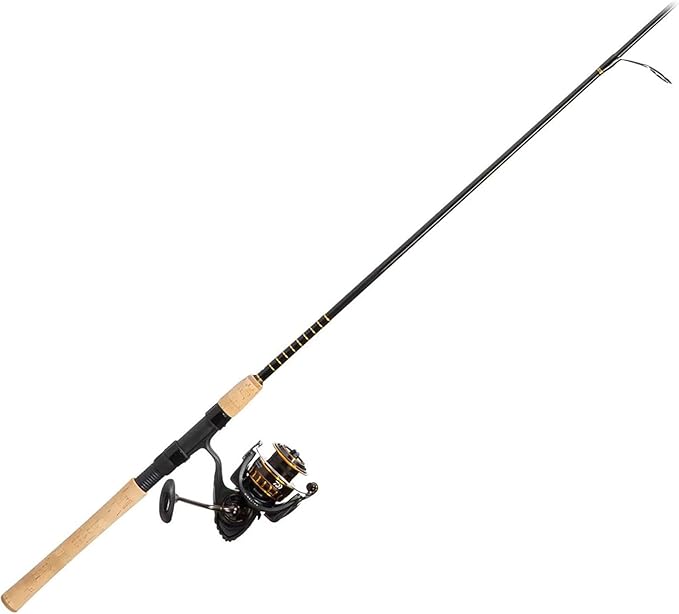
Daiwa BG Spinning Combo
Fishing License Exemptions
While most anglers need a license, Delaware does provide some exemptions:
- Age-based exemptions:
- Residents under 16 years old
- Residents aged 65 and older (must carry proof of age and residency)
- Surf fishing exemption: Operators of vehicles with valid Delaware surf fishing vehicle permits (when fishing from the permitted vehicle on designated beaches)
- Landowner exemption: Residents who own or live on farms of 20 acres or more may fish on their property without a license
- Military exemptions: Certain military personnel and veterans may be eligible for free or discounted licenses
It’s important to note that even exempt anglers must obtain a free FIN number annually.
How to Purchase a Delaware Fishing License
Delaware offers several convenient ways to purchase a fishing license:
- Online: Visit the Digital DNREC ePermitting system to purchase and print your license instantly.
- In-person: Licenses can be purchased at various authorized agents throughout the state, including sporting goods stores, bait shops, and some retail locations.
- DNREC Office: Visit the licensing desk at the DNREC's Richardson and Robbins Building in Dover.
When purchasing a license, you’ll need to provide:
- Personal information (name, address, date of birth)
- Proof of residency (for resident licenses)
- Payment method (credit card for online purchases, cash or check for in-person)
Understanding Delaware Fishing Regulations
Obtaining a fishing license is just the first step in responsible angling. It’s crucial to familiarize yourself with Delaware’s fishing regulations, which cover:
- Size and catch limits: Restrictions on the number and size of fish you can keep
- Seasonal restrictions: Certain species may have closed seasons or special regulations during specific times of the year
- Gear restrictions: Rules on the types of fishing equipment allowed in different waters
- Protected species: Some fish species are catch-and-release only or completely off-limits
These regulations are designed to ensure sustainable fish populations and fair access to the state’s aquatic resources. The Delaware Fishing Guide, updated annually, provides comprehensive information on current regulations.
The Importance of Fishing Licenses
Fishing licenses serve several important purposes:
- Conservation funding: Revenue from license sales supports fish stocking programs, habitat improvement projects, and fisheries research.
- Resource management: License data helps biologists track fishing pressure and make informed decisions about fish population management.
- Access improvements: Funds are used to maintain and improve fishing access points, boat ramps, and other facilities.
- Education programs: License revenue supports angler education initiatives and youth fishing programs.
By purchasing a license, anglers directly contribute to the health and sustainability of Delaware’s aquatic ecosystems.
Fishing Opportunities in Delaware
Delaware’s diverse waterways offer something for every angler:
- Delaware Bay: Known for striped bass, weakfish, and flounder
- Atlantic Coast: Surf fishing for bluefish, kingfish, and more
- Inland ponds and lakes: Largemouth bass, crappie, and catfish
- Rivers and streams: Trout (in stocked waters), smallmouth bass, and various panfish
Popular fishing spots include:
- Cape Henlopen State Park
- Indian River Inlet
- Lums Pond State Park
- Brandywine Creek State Park
Tips for Responsible Angling in Delaware
To ensure a positive fishing experience and help protect Delaware’s aquatic resources:
- Always carry your license: Keep your fishing license and FIN number with you while fishing.
- Know the regulations: Stay up-to-date on size and catch limits for your target species.
- Practice catch and release: When possible, release fish carefully to ensure their survival.
- Use appropriate gear: Choose the right tackle to minimize harm to fish you intend to release.
- Leave no trace: Properly dispose of fishing line, hooks, and other waste.
- Report violations: If you witness illegal fishing activities, contact DNREC's Fish & Wildlife Natural Resources Police.
Frequently Asked Questions
Q: Can I use my Delaware fishing license in other states?
A: No, Delaware does not have reciprocal agreements with other states. You’ll need to purchase a separate license to fish in neighboring states.
Q: Do I need a fishing license to fish from a charter boat?
A: Generally, no. Charter boats and head boats typically cover their passengers under their commercial licenses. However, it’s always best to confirm with the charter operator.
Q: How do I get a replacement if I lose my fishing license?
A: You can print a replacement copy from the Digital DNREC system if you purchased online. For licenses bought from an agent, contact DNREC’s licensing office for assistance.
Q: Are there any free fishing days in Delaware?
A: Yes, Delaware typically offers free fishing days annually, usually in June. During these days, anyone can fish without a license. Check the DNREC website for exact dates.