
Understanding Fishing Licenses: The Basics
Think of a fishing license as your ticket to access Maryland’s diverse fishing spots. It’s a permit that allows you to legally fish in designated areas, much like a concert ticket grants you entry to an event. Just as concerts have different seating options, fishing licenses come in various types to cater to different needs and preferences.
Fishing licenses serve a crucial purpose beyond just granting access. A portion of the fees collected from license sales goes towards funding conservation efforts, such as restocking fish populations, maintaining habitats, and conducting research. By obtaining a license, you’re playing an active role in preserving the sport you love for generations to come.
Types of Maryland Fishing Licenses
Maryland offers several types of fishing licenses to accommodate different fishing styles and locations. Here’s a breakdown of the most common options:
- Non-Tidal (Freshwater) Licenses: These licenses allow you to fish in Maryland's freshwater bodies, such as lakes, rivers, and streams. Options include annual, 7-day, and 3-day (for non-residents) licenses.
- Chesapeake Bay and Coastal (Saltwater) Licenses: If you plan to fish in the Chesapeake Bay, its tributaries, or the Atlantic Ocean and coastal bays, you'll need a saltwater license. These are available as annual, 7-day, and charter boat licenses.
- Trout Stamps: In addition to a non-tidal license, you'll need a trout stamp to fish for trout in designated areas. These stamps are available for residents and non-residents.
- Senior Consolidated License: Maryland residents aged 65 or older can opt for a discounted Senior Consolidated License, which covers both freshwater and saltwater fishing for the entire year.
Think of these licenses as different lures in your tackle box – each one is designed for a specific fishing scenario. Just as you’d choose the right lure based on the fish species and water conditions, you’ll want to select the appropriate license based on where and how you plan to fish.
Obtaining Your Maryland Fishing License
Acquiring a Maryland fishing license is a straightforward process, with multiple options to suit your preferences:
- Online: The Maryland Department of Natural Resources (DNR) offers a convenient online portal called COMPASS, where you can purchase and print your license instantly.
- In-Person: Visit one of the DNR's Service Centers or authorized license agents (such as sporting goods stores or tackle shops) to purchase your license in person.
- By Mail: Download the application form from the DNR website, complete it, and mail it to the appropriate Service Center along with your payment.
Regardless of the method you choose, you’ll need to provide some basic information, such as your name, address, and date of birth. Non-residents may need to provide additional documentation to prove their residency status.
Understanding License Fees
License fees in Maryland vary based on several factors, including residency status, license type, and duration. Here are some examples of common license fees:
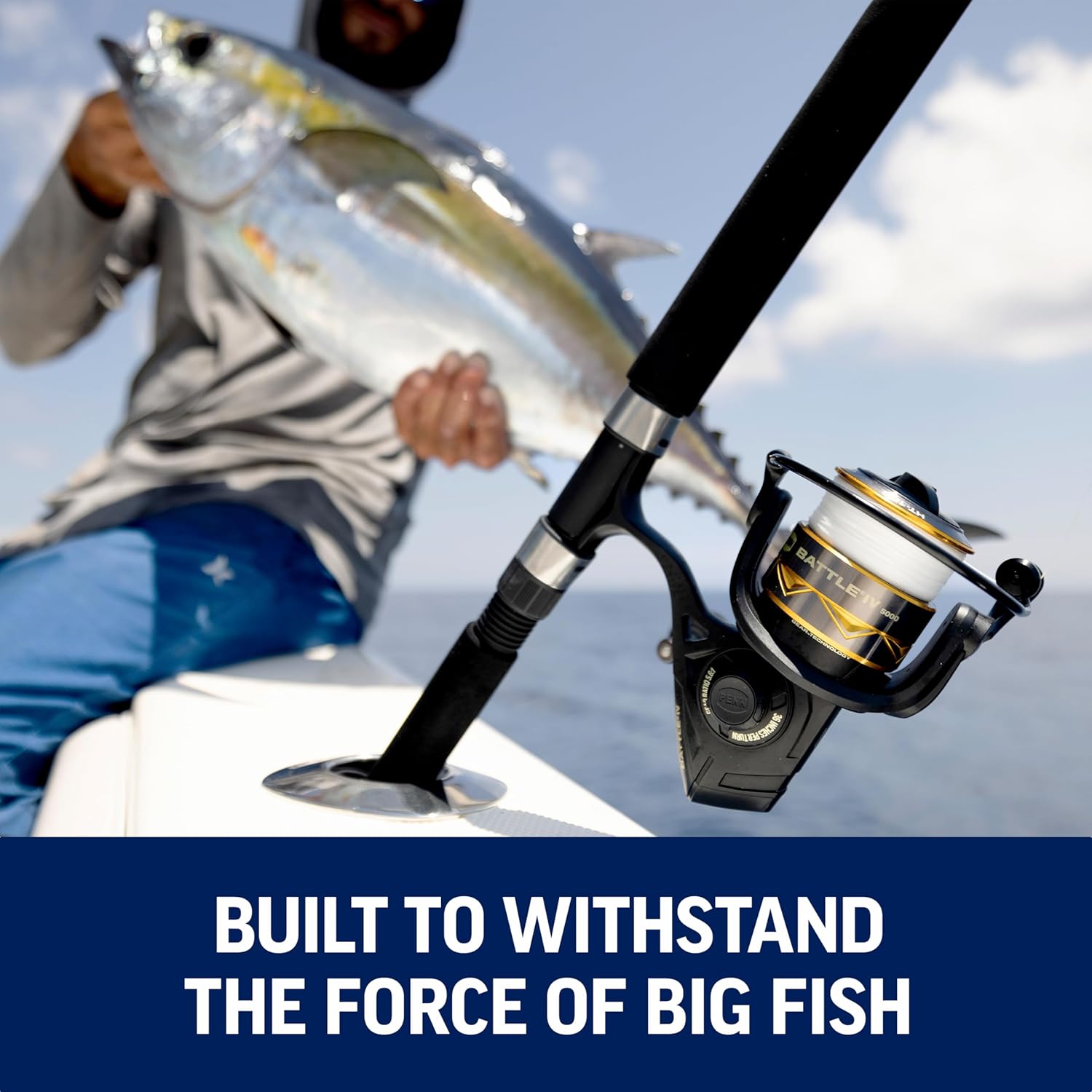
Penn Battle III Surf Spinning Combo
- Resident Annual Non-Tidal License: $20.50
- Non-Resident Annual Non-Tidal License: $30.50 (or the same fee charged to Maryland residents by the non-resident's home state, whichever is higher)
- Resident Chesapeake Bay and Coastal Sport Fishing License: $15
- Non-Resident Chesapeake Bay and Coastal Sport Fishing License: $22.50
- Resident Trout Stamp: $5
- Non-Resident Trout Stamp: $10
It’s important to note that these fees are subject to change, so it’s always a good idea to check the DNR website or consult with a Service Center for the most up-to-date information.
Exceptions and Special Considerations
Like any rule, there are a few exceptions and special considerations when it comes to Maryland fishing licenses:
- Children under 16 years of age are exempt from needing a license for recreational fishing and crabbing.
- Active-duty military personnel on leave with official orders are exempt from needing a license.
- Complimentary licenses are available for Maryland residents who are 100% service-connected disabled veterans, former prisoners of war, or blind individuals.
- Reciprocity agreements exist with Virginia, West Virginia, and Pennsylvania, allowing anglers with valid licenses from those states to fish in certain areas of Maryland without an additional license.
It’s essential to familiarize yourself with these exceptions and special considerations to ensure you’re in compliance with Maryland’s fishing regulations.
The Importance of Responsible Fishing
Obtaining a fishing license is more than just a legal requirement – it’s a commitment to responsible fishing practices and conservation efforts. By adhering to catch limits, size restrictions, and other regulations outlined in the Maryland Fishing Guide, you’re playing a vital role in maintaining healthy fish populations and preserving the natural beauty of our waterways.
Think of it this way: responsible fishing is like practicing catch-and-release with care. Just as you’d gently remove the hook and release the fish back into the water, responsible fishing practices ensure that future generations can continue to enjoy the thrill of the catch.