
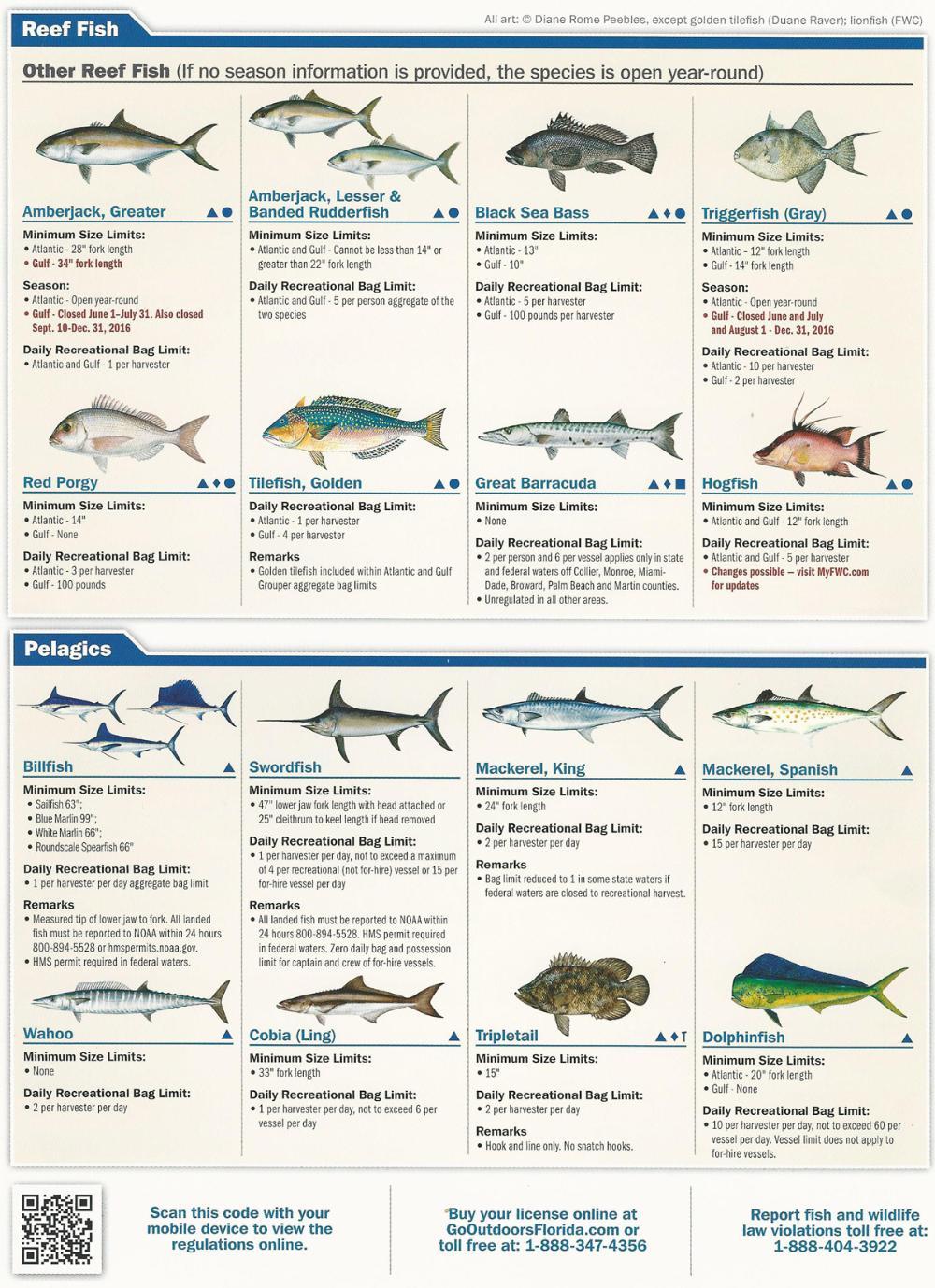
Why Saltwater Fishing Licenses are Important
Saltwater fishing licenses serve several vital purposes:
- Conservation: The fees collected from fishing licenses directly fund conservation efforts, habitat restoration, and fisheries management. This ensures healthy fish populations for future generations of anglers.
- Research: License fees support scientific research that helps us better understand marine ecosystems and fish populations, leading to more effective management strategies.
- Education: Many states use license revenue to fund educational programs that teach responsible fishing practices and marine conservation.
- Access: License fees often contribute to the maintenance and improvement of public fishing access points, boat ramps, and piers.
As someone who’s witnessed firsthand the positive impact of these efforts, I can attest to their importance. The healthier fish populations and improved access I’ve seen over the years are a testament to the value of fishing licenses.
Saltwater Fishing License Regulations and Requirements
Saltwater fishing license requirements can vary significantly from state to state. Here’s a general overview of what you need to know:
Who Needs a License?
In most states, anyone over the age of 16 who wants to fish in saltwater needs a license. However, there are often exceptions for:
- Seniors (usually 65 or older)
- Active duty military personnel
- Individuals with disabilities
- Children under a certain age (varies by state)
Types of Licenses
States typically offer several types of saltwater fishing licenses:
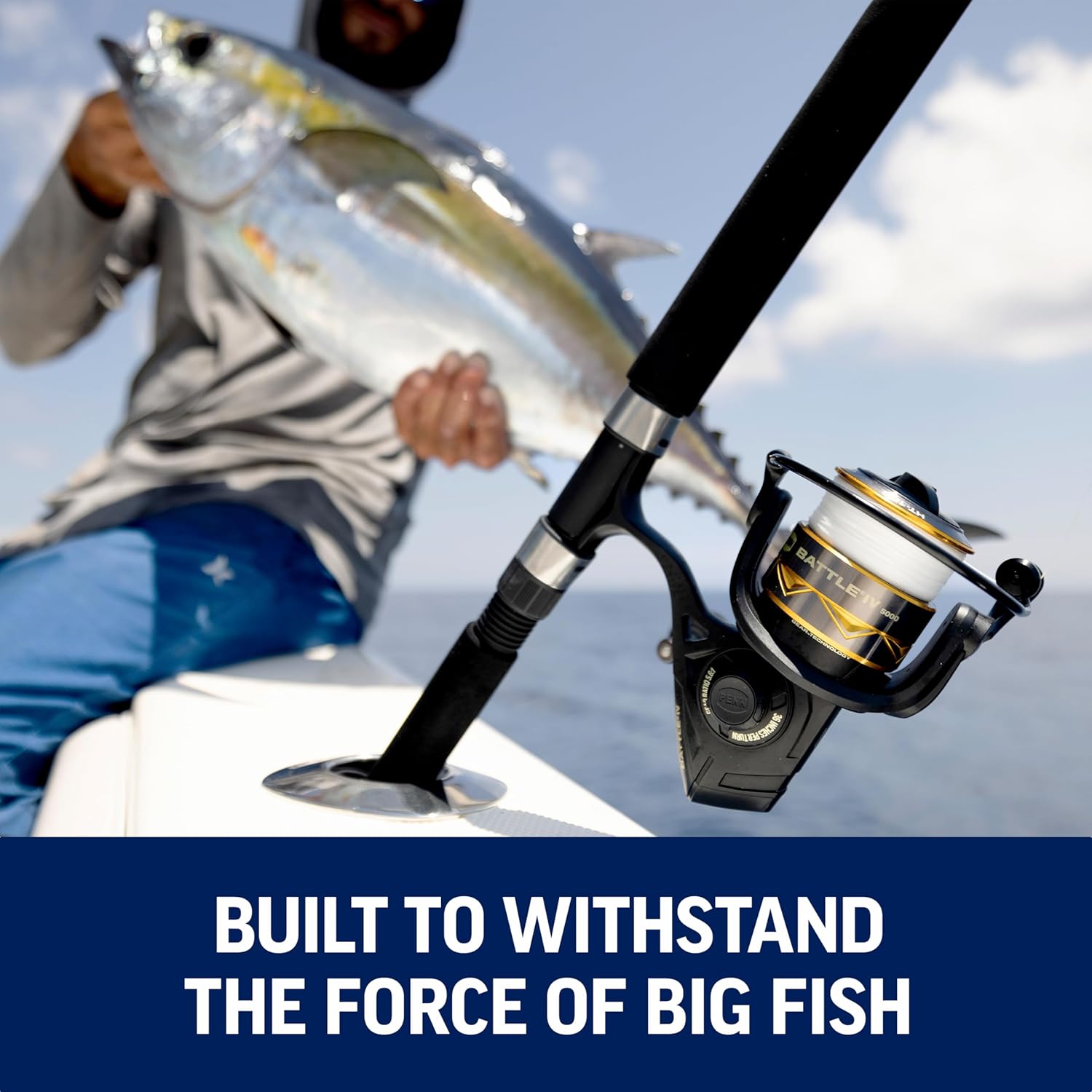
Penn Battle III Surf Spinning Combo
- Annual Licenses: Valid for one year from the date of purchase.
- Short-Term Licenses: Available for periods ranging from one day to several weeks.
- Lifetime Licenses: A one-time purchase that covers you for life (often only available to residents).
- Combination Licenses: These may include freshwater and saltwater fishing, or even hunting privileges.
Resident vs. Non-Resident Licenses
Most states offer different licenses (and pricing) for residents and non-residents. Non-resident licenses are typically more expensive. For example, in Florida, an annual saltwater fishing license for residents costs $17, while non-residents pay $47.
Special Permits
Some states require additional permits for certain species or fishing methods. For example:
- Snook permits in Florida
- Highly Migratory Species (HMS) permit for offshore fishing in federal waters
Always check the specific requirements for the area where you plan to fish.
How to Get a Saltwater Fishing License
Getting a saltwater fishing license is typically a straightforward process. Here are the most common methods:
- Online: Most states offer online license purchases through their fish and wildlife department websites. This is often the quickest and most convenient option.
- In-Person: You can usually purchase licenses at bait and tackle shops, sporting goods stores, or local fish and wildlife offices.
- By Phone: Many states offer a phone service for license purchases.
- Mobile Apps: Some states have developed mobile apps that allow you to purchase and store your license digitally.
Tips for Getting Your License
- Plan Ahead: Don't wait until the last minute to get your license. Purchase it well before your fishing trip to avoid any issues.
- Check Expiration Dates: Make sure you know when your license expires and renew it on time.
- Keep It With You: Always carry your license when fishing. Many states now offer digital licenses that you can store on your smartphone.
- Consider Annual Licenses: If you fish frequently, an annual license is often more cost-effective than multiple short-term licenses.
- Look for Free Fishing Days: Many states offer "Free Fishing Days" where you can fish without a license. These are great opportunities to try saltwater fishing before committing to a license.
Risks and Consequences of Fishing Without a License
As tempting as it might be to skip the license and just cast your line, the risks far outweigh any potential benefits. Here’s what you could face if caught fishing without a license:
- Fines: These can range from $50 to over $1,000 depending on the state and the severity of the violation.
- Confiscation of Gear: In some cases, conservation officers may confiscate your fishing equipment.
- Loss of Fishing Privileges: Repeat offenders may have their fishing privileges revoked for a period of time.
- Legal Consequences: In severe cases, fishing without a license can result in misdemeanor charges and even jail time.
- Damage to Fish Populations: While not a direct consequence to you, fishing without a license means you're not contributing to conservation efforts, potentially harming fish populations.
I once witnessed a fellow angler get caught without a license during a fishing trip in Florida. Not only did he face a hefty fine, but the embarrassment and disruption to our trip left a lasting impression. It’s simply not worth the risk.
Special Considerations for Saltwater Fishing Licenses
Shoreline Fishing
Some states, like Florida, offer a free saltwater shoreline fishing license for residents. This license allows you to fish from shore or structures attached to shore without purchasing a regular saltwater fishing license. However, it’s important to note that this doesn’t cover fishing from a boat or fishing for certain species that require additional permits.
Federal Waters
If you plan to fish in federal waters (generally 3-200 miles offshore), you may need additional permits. For example, the National Oceanic and Atmospheric Administration (NOAA) requires an HMS permit for fishing for certain species like tuna, billfish, and sharks in federal waters.
Reciprocal Agreements
Some states have reciprocal agreements that allow license holders from one state to fish in another without purchasing an additional license. For example, Florida has agreements with Georgia and Alabama for freshwater fishing, but not for saltwater.
Exemptions and Special Cases
While most anglers need a license, there are some exemptions and special cases to be aware of:
- Age-Based Exemptions: Many states exempt young children and seniors from needing a license. For example, in Florida, residents 65 and older only need a Florida Driver's License or Identification Card to prove residency and age.
- Disability Exemptions: Some states offer free or reduced-cost licenses for individuals with disabilities.
- Military Exemptions: Active duty military personnel on leave often qualify for free or discounted licenses.
- Private Property: In some cases, you may not need a license to fish on private property, but always check local regulations.
- Fishing Piers: Some states don't require a license when fishing from a licensed pier. However, you may need to pay a fee to use the pier.
Remember, these exemptions can vary widely between states, so always check the specific regulations for where you plan to fish.
Conservation and Responsible Fishing
Getting a saltwater fishing license is about more than just following the law – it’s about being a responsible angler and contributing to conservation efforts. Here are some additional ways you can practice responsible fishing:
- Follow Size and Bag Limits: These regulations help maintain healthy fish populations. Always check the current limits for the species you're targeting.
- Practice Catch and Release: When done correctly, catch and release can help preserve fish populations. Use circle hooks when possible and handle fish carefully.
- Properly Dispose of Fishing Line: Discarded fishing line can be deadly to marine life. Always dispose of it properly.
- Be Aware of Protected Species: Know how to identify protected species in your area and what to do if you accidentally catch one.
- Report Violations: If you witness illegal fishing activities, report them to your local wildlife authorities.