
Nestled in the heart of the Natural State, Arkansas’s stunning state parks offer some of the most rewarding fishing experiences in the country. With over 600,000 acres of lakes and 9,700 miles of streams and rivers, there’s no shortage of incredible spots to cast your line. However, before you embark on your angling adventure, it’s crucial to understand the fishing license requirements and regulations to ensure a legal and enjoyable trip.
Fishing License Requirements in Arkansas State Parks
In Arkansas, anyone 16 years or older must have a valid fishing license to fish in public waters, including state parks. Here are the types of licenses available:
- Resident Fishing License: If you've called Arkansas home for at least 60 consecutive days, you can purchase a resident fishing license, which allows you to fish all public waters in the state.
- Non-Resident Fishing License: Visitors from out-of-state can obtain a non-resident fishing license, granting the same privileges as the resident license.
- Short-Term Licenses: For those just passing through or on a brief vacation, Arkansas offers 1-day, 3-day, and 7-day fishing licenses for both residents and non-residents.
- Trout Permit: Planning to target trout? You'll need a trout permit in addition to your fishing license. This permit is required for all trout fishing in designated trout waters.
Fishing licenses can be purchased online through the Arkansas Game and Fish Commission website, by phone, or at various licensed vendors throughout the state, including sporting goods stores and many state park visitor centers. Failure to carry a valid fishing license can result in fines and legal consequences, so always ensure you’re properly licensed before casting your line.
Top Fishing Spots in Arkansas State Parks
Arkansas’s state parks are home to some of the most diverse and productive fishing waters in the region. With over 300 public fishing areas, including many stocked by the Arkansas Game and Fish Commission, you’re sure to find the perfect spot for your next angling adventure. Here are a few top destinations:
- Lake Ouachita State Park: Known for its crystal-clear waters and stunning scenery, Lake Ouachita is a haven for striped bass, largemouth bass, crappie, and catfish. The park offers boat rentals, fishing piers, and shoreline access, making it easy to explore the lake's 40,000 acres.
- Millwood State Park: Situated on the shores of Millwood Lake, this park is a hotspot for crappie, bass, and catfish. With boat ramps, a fishing pier, and a fish cleaning station, Millwood State Park has everything you need for a successful day on the water.
- Bull Shoals-White River State Park: Renowned for its world-class trout fishing, the White River below Bull Shoals Dam is a must-visit for serious anglers. The park offers guided trout fishing trips, boat rentals, and shoreline access to over 700 acres of pristine waters.
- Lake Charles State Park: This peaceful park is a hidden gem for bass, bream, and catfish anglers. With a well-maintained fishing pier and boat ramp, Lake Charles State Park provides easy access to its serene waters and abundant fish populations.
Remember to check the specific regulations, catch limits, and size restrictions for each location, as they may vary depending on the body of water and fish species.
Popular Fish Species in Arkansas State Parks
Arkansas’s diverse waterways are home to an impressive array of game fish, offering exciting opportunities for anglers of all skill levels. Some of the most sought-after species include:
Responsible Angling Practices
Fishing in Arkansas state parks is a privilege that comes with the responsibility to protect and preserve these natural treasures for future generations. By following these responsible angling practices, you can help maintain the health and beauty of Arkansas’s waterways:
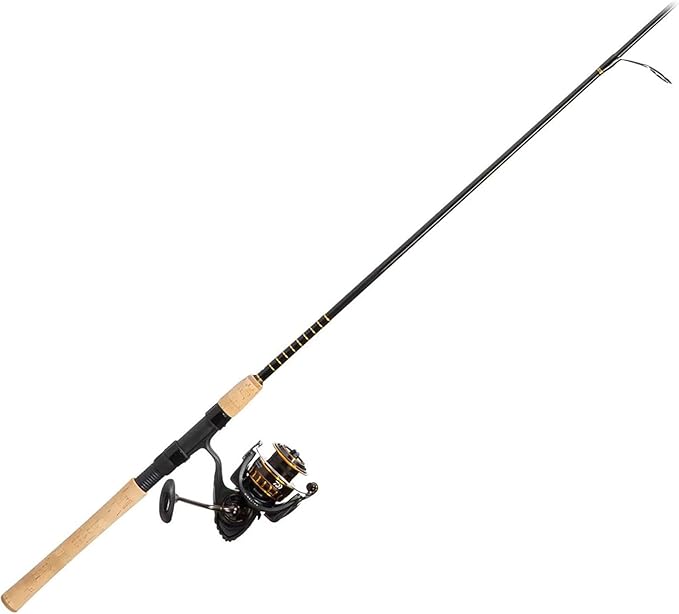
Daiwa BG Spinning Combo
- Practice Catch and Release: When possible, consider releasing your catch, especially larger, breeding-sized fish. If you do keep fish, be sure to follow all size and creel limits, and only keep what you plan to eat.
- Handle Fish Carefully: When releasing fish, use wet hands or a soft mesh net to minimize damage to their protective slime coat. Avoid touching their gills or eyes, and gently remove hooks using hemostats or needle-nose pliers.
- Dispose of Waste Properly: Pack out all trash, including fishing line, bait containers, and other debris. Use designated fish cleaning stations or dispose of fish waste in the trash to avoid attracting pests and minimizing odors.
- Prevent the Spread of Invasive Species: Clean, drain, and dry your boat, trailer, and equipment between visits to different bodies of water to help prevent the spread of harmful invasive species like zebra mussels and Asian carp.
- Report Violations: If you witness illegal fishing activities or other violations, report them to the Arkansas Game and Fish Commission or state park staff. Your vigilance can help protect Arkansas's valuable fisheries for generations to come.
Essential Gear for Your Arkansas Fishing Adventure
Before heading out to enjoy the fantastic fishing opportunities in Arkansas’s state parks, make sure you have these essential items:
Licenses & Permits
- [ ] Valid Arkansas fishing license (resident or non-resident)
- [ ] Trout permit (if fishing for trout)
- [ ] Hunting license (if you plan to bowfish)
Fishing Equipment
- [ ] Appropriate rods, reels, and line for your target species
- [ ] Variety of lures, baits, and terminal tackle
- [ ] Fishing pliers or multitool
- [ ] Landing net
- [ ] Waders or wading boots (for river fishing)
Safety Gear
- [ ] Life jacket (when fishing from a boat)
- [ ] First aid kit
- [ ] Sun protection (hat, sunscreen, sunglasses)
- [ ] Insect repellent
- [ ] Headlamp or flashlight
- [ ] Whistle or signaling device
Accessories
- [ ] Cooler with ice for storing catches
- [ ] Measuring device for checking fish length
- [ ] Stringer or basket for keeping fish
- [ ] Camera to capture fishing memories
Personal Items
- [ ] Weather-appropriate clothing (quick-drying, moisture-wicking)
- [ ] Rain gear
- [ ] Sturdy, closed-toe footwear
- [ ] Water bottle and snacks
- [ ] Fishing license and personal identification
- [ ] Park map and information guide