
Arkansas Fishing Licenses
Arkansas is home to nearly 9,000 miles of waterways, providing ample opportunities for anglers to cast their lines. To legally fish in the state, individuals aged 16 and older must possess a valid Arkansas fishing license, with a few exceptions .
Resident Licenses
- Annual Resident Fisheries Conservation License: This license allows Arkansas residents aged 16 and older to fish in the state's waters.
- Resident 3-Day Trip Fishing License: Perfect for short visits, this license grants fishing privileges for three consecutive days.
- Resident Sportsman's Lifetime Combination License and Permit: A one-time purchase that provides lifetime fishing and hunting privileges for Arkansas residents.
- Resident 65 Plus Lifetime Fishing License: Arkansas residents aged 65 and older can obtain a lifetime fishing license at a discounted rate.
- Resident 65 Plus Annual Fishing License: An annual option for seniors aged 65 and older.
- Disabled Lifetime Fishing License: Available to Arkansas residents with qualifying disabilities.
Non-Resident Licenses
- Non-Resident Annual Fishing License: Required for non-residents aged 16 and older to fish in Arkansas waters.
- Non-Resident 3-Day Trip Fishing License: Ideal for short visits, this license grants fishing privileges for three consecutive days.
- Non-Resident 7-Day Fishing License: For those planning an extended fishing trip in Arkansas, this license covers a week of fishing.
It’s important to note that a separate trout permit may be required to keep trout or fish in certain designated waters .
Missouri Fishing Licenses
Missouri is renowned for its diverse fishing opportunities, from the crystal-clear streams of the Ozarks to the mighty Mississippi River. To legally fish in the state, anglers must possess a valid Missouri fishing permit, unless they qualify for an exemption .
Resident Licenses
- Annual Fishing Permit: This permit allows Missouri residents to fish for various species, including fish, frogs, mussels, clams, turtles, crayfish, and live bait.
- Trout Permit: Required for Missouri residents to possess trout.
- Lifetime Conservation Partner Fishing License: A one-time purchase that provides lifetime fishing privileges for Missouri residents.
Non-Resident Licenses
- Non-Resident Annual Fishing Permit: Required for non-residents to fish in Missouri waters.
- Non-Resident Daily Fishing Permit: Perfect for short visits, this permit grants fishing privileges for a single day.
Missouri also offers discounted rates for military personnel and seniors, as well as exemptions for certain individuals, such as those with disabilities or those fishing on private waters .
The White River Border Lakes License
The White River, a renowned fishing destination, flows through both Arkansas and Missouri, creating a unique situation for anglers. To address this, the two states have established the White River Border Lakes License, a reciprocal agreement that allows fishing in the shared waters without the need for a non-resident license .
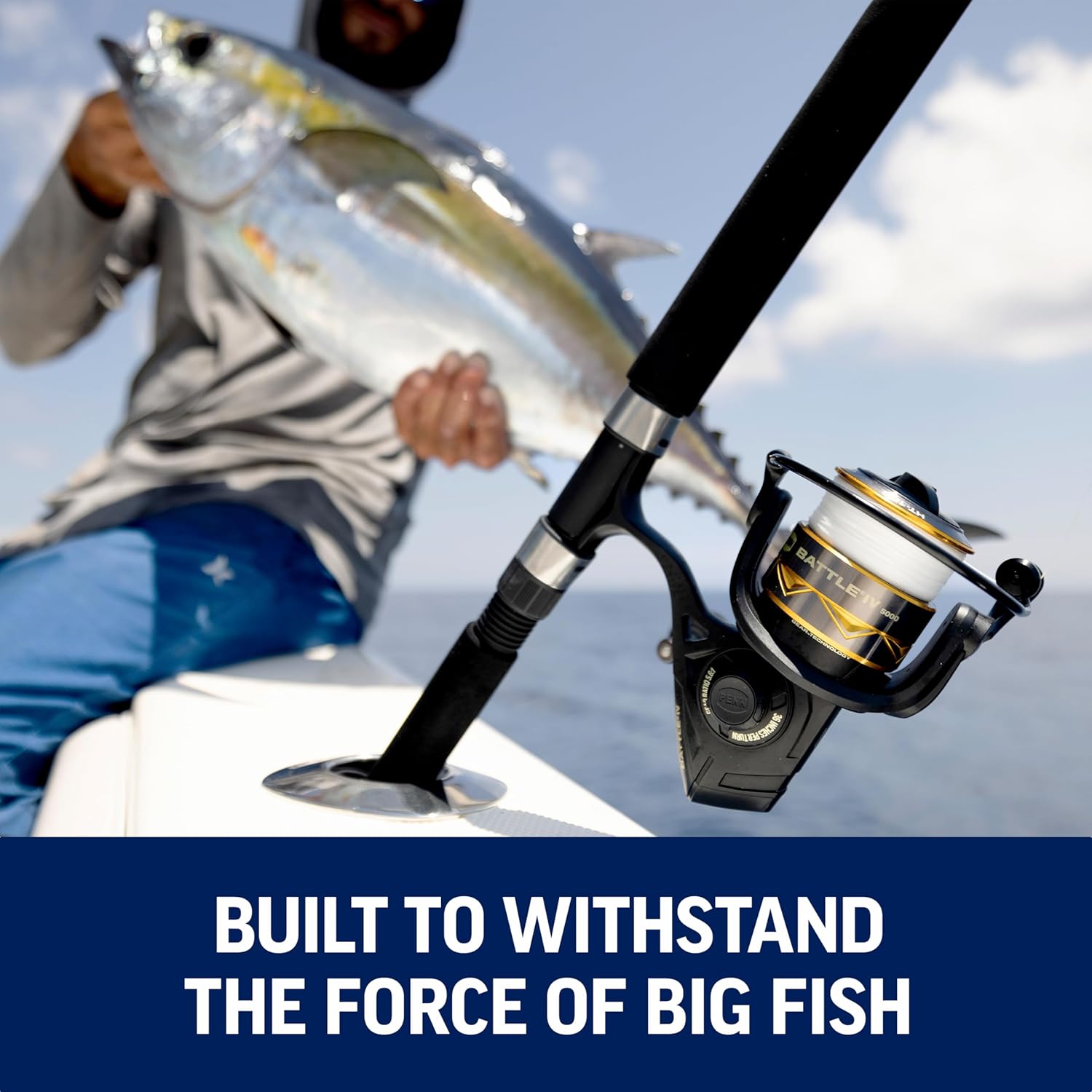
Penn Battle III Surf Spinning Combo
If you possess a valid Arkansas resident fishing license or a Missouri resident fishing permit, you can purchase the White River Border Lakes License to legally fish in the following shared waters:
- Bull Shoals Lake
- Norfork Lake
- Table Rock Lake
This license eliminates the need for a separate non-resident license, making it easier for anglers to enjoy the bountiful fishing opportunities along the White River without worrying about crossing state lines .
Purchasing Licenses
Both Arkansas and Missouri offer various convenient options for purchasing fishing licenses, including:
- Online through the respective state's wildlife agency website
- Over the phone
- In person at authorized retailers, such as sporting goods stores and bait shops
- At regional offices and nature centers
It’s important to note that certain license types may have restrictions on the purchasing methods available. For example, lifetime licenses in Missouri cannot be purchased online or through vendors .
Regulations and Responsible Fishing
While fishing licenses are essential for legal angling, it’s equally important to familiarize yourself with the specific regulations and guidelines in each state. These regulations are in place to protect natural resources and ensure sustainable fishing practices .
Some key regulations to be aware of include:
- Daily catch limits
- Size restrictions
- Seasonal closures
- Gear restrictions
- Designated catch-and-release areas
Additionally, responsible fishing practices, such as properly handling and releasing fish, minimizing environmental impact, and respecting private property, are crucial for preserving the sport for future generations.