

Why Fishing Licenses Matter
Fishing licenses play a vital role in conservation efforts and maintaining the quality of Texas’ fisheries. The revenue generated from fishing license sales directly supports various initiatives, including:
- Fish stocking programs
- Habitat restoration and enhancement projects
- Fisheries research and management
- Access improvements for anglers
- Educational programs promoting responsible fishing practices
By purchasing a fishing license, you contribute to the sustainability of Texas’ fisheries, ensuring that future generations can continue to enjoy the state’s diverse fishing opportunities.
Types of Fishing Licenses in Texas
The Texas Parks and Wildlife Department (TPWD) offers several types of fishing licenses to cater to the needs of different anglers:
- Resident Fishing License: This license is designed for Texas residents and is available in several durations:
- One-day license
- All-water annual license (valid for both freshwater and saltwater fishing)
- Freshwater annual license
- Saltwater annual license
- Non-Resident Fishing License: If you’re not a Texas resident, you’ll need to purchase a non-resident fishing license. These licenses are also available in various durations:
- One-day license
- All-water annual license
- Freshwater annual license
- Saltwater annual license
- Combination Licenses: Texas offers combination licenses that include both fishing and hunting privileges. These licenses provide a convenient and cost-effective option for anglers who also enjoy hunting.
- Senior and Disabled Veteran Licenses: Texas residents aged 65 and above, as well as disabled veterans, are eligible for discounted fishing licenses.
- Youth Licenses: Children under 17 years old are exempt from fishing license requirements in Texas. However, TPWD offers optional youth licenses for young anglers who want to support conservation efforts.
It’s essential to choose the right type of fishing license based on your residency status, the duration of your fishing trip, and the type of water body you plan to fish in.
Fishing License Requirements for Bank Fishing
When it comes to bank fishing in Texas, the fishing license requirements are straightforward:
- Age Requirement: All anglers aged 17 and above must possess a valid fishing license to fish from the bank, wade in the water, or fish along the shoreline in Texas.
- Freshwater Fishing Stamp: If you plan to fish in freshwater bodies, such as rivers, lakes, or streams, you must have a freshwater fishing stamp in addition to your fishing license. This stamp is included in the all-water and freshwater annual licenses, but it must be purchased separately if you have a one-day or saltwater license.
- Saltwater Fishing: If you intend to fish in saltwater, such as bays, estuaries, or the Gulf of Mexico, you’ll need a saltwater fishing license. The all-water and saltwater annual licenses include the necessary endorsements for saltwater fishing.
Exemptions to Fishing License Requirements
While most anglers are required to have a valid fishing license, there are a few exemptions:
Where to Purchase Fishing Licenses
Obtaining a fishing license in Texas is a simple process, with several convenient options available:
- Online: You can purchase fishing licenses online through the TPWD website. This option allows you to print your license immediately or store it on your mobile device.
- Phone: Fishing licenses can also be purchased over the phone by calling the TPWD customer service center.
- In-Person: TPWD offices, state parks, and various retail locations across Texas, such as sporting goods stores and bait shops, sell fishing licenses in-person.
When purchasing your fishing license, be prepared to provide personal information, such as your name, address, and date of birth. You may also need to show proof of residency if you’re applying for a resident license.
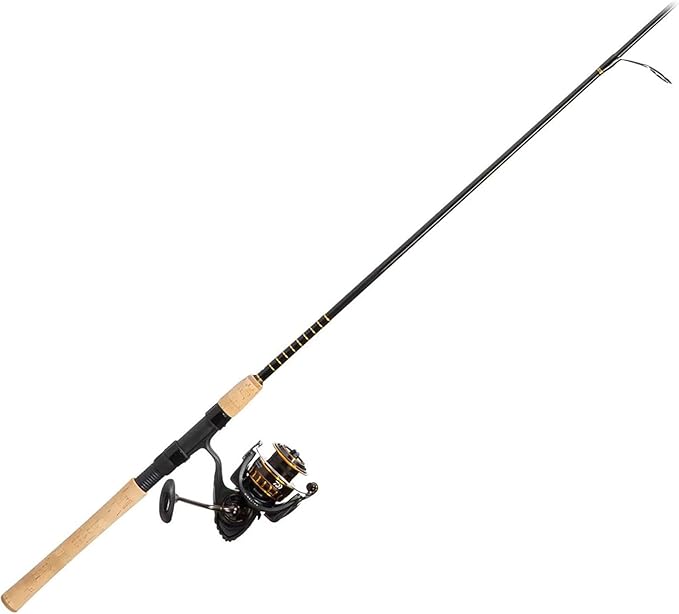
Daiwa BG Spinning Combo
Fishing Regulations and Best Practices
In addition to obtaining the proper fishing license, it’s crucial to familiarize yourself with the fishing regulations specific to the water body you plan to fish in. These regulations include:
- Bag Limits: Each fish species has a daily bag limit, which is the number of fish you can keep per day. Be sure to check the current bag limits for the species you’re targeting.
- Size Limits: Some fish species have size restrictions, with minimum and/or maximum length limits in place. These limits help protect fish populations and ensure sustainable harvests.
- Seasons: Certain fish species may have specific fishing seasons. It’s important to know the open seasons for the species you’re interested in catching.
- Gear Restrictions: Some water bodies may have restrictions on the type of fishing gear allowed, such as hook size or bait type limitations.
To stay informed about the latest fishing regulations, consult the TPWD Outdoor Annual, available online or in print form at TPWD offices and license retailers.
In addition to following regulations, practicing responsible fishing techniques is essential for maintaining healthy fish populations and preserving the quality of Texas’ fisheries. Some best practices include:
- Properly disposing of fishing line and tackle to prevent wildlife entanglements
- Using circle hooks when fishing with natural bait to minimize deep hooking and improve fish survival upon release
- Handling fish carefully and minimizing their time out of the water during catch and release
- Practicing selective harvesting by keeping only the fish you plan to eat and releasing the rest
By being a responsible angler and following fishing regulations, you contribute to the long-term sustainability of Texas’ fisheries.
Frequently Asked Questions
- Q: Do I need a fishing license if I’m assisting a child who is exempt from licensing requirements? A: If you’re assisting a child under 17 years old who is exempt from fishing license requirements, you do not need a license as long as you’re not actively fishing yourself. However, if you plan to fish alongside the child, you must have a valid fishing license.
- Q: Can I use my fishing license in multiple states? A: No, fishing licenses are state-specific. If you plan to fish in another state, you’ll need to obtain a fishing license from that state’s fish and wildlife agency.
- Q: What happens if I lose my fishing license? A: If you lose your fishing license, you can easily replace it online, over the phone, or in-person at a TPWD office or license retailer. There may be a small fee for the replacement license.
- Q: Are there any discounts available for fishing licenses? A: Yes, Texas offers discounted fishing licenses for several groups, including:
- Senior citizens (65 years and older)
- Disabled veterans
- Active-duty military personnel
- Texas State Parks Pass holders
- Q: Can I fish with multiple poles using a single fishing license? A: In most Texas waters, you can fish with up to two poles using a single fishing license. However, there are some exceptions in certain water bodies, so it’s best to check the specific regulations for the area you plan to fish in.