
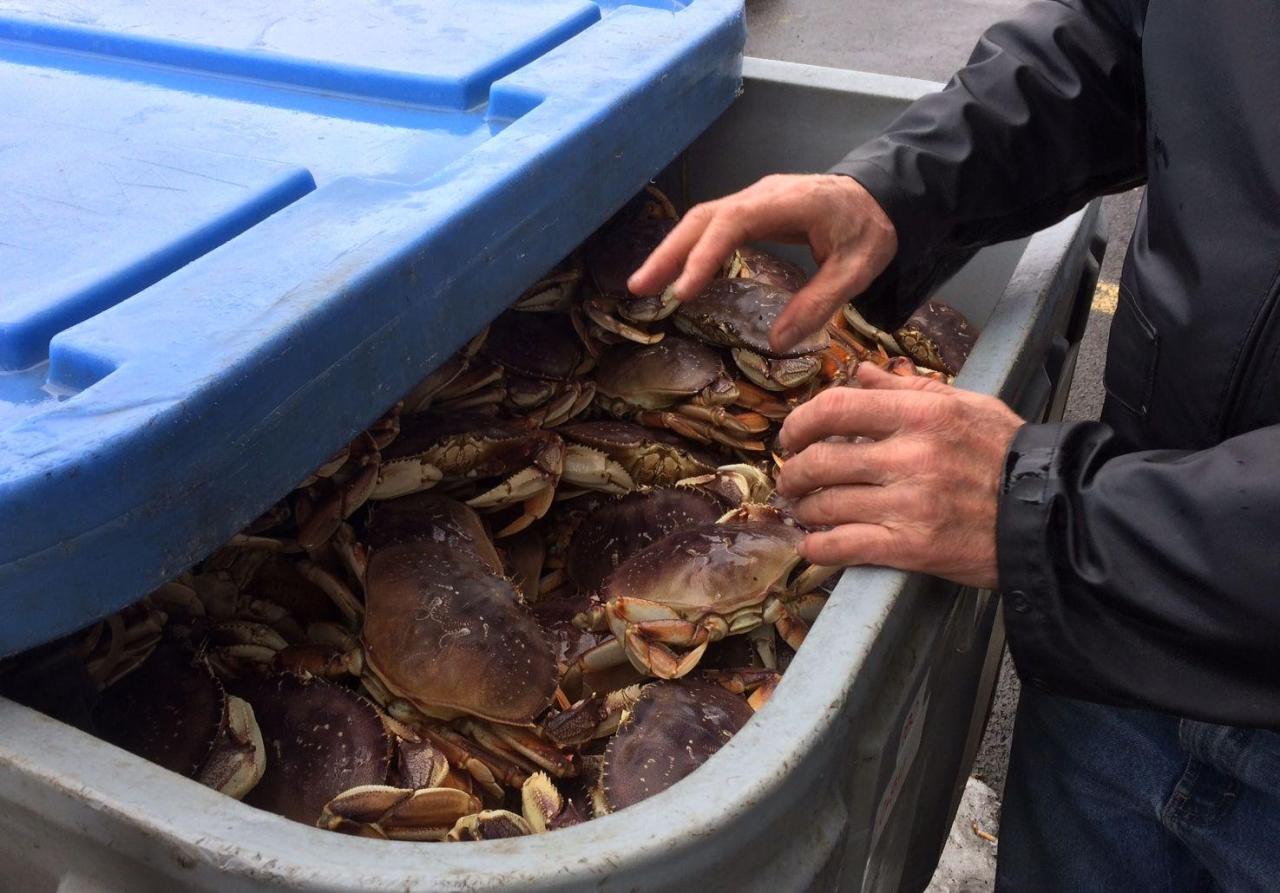
Understanding Fishing Licenses for Crabbing
Fishing licenses serve multiple purposes, including conservation efforts, funding for wildlife management, and regulating recreational fishing activities. When it comes to crabbing, many states consider it a form of fishing and therefore require a fishing license. However, the specific requirements can differ based on factors such as:
- The type of water body (freshwater vs. saltwater)
- The crabbing method used (traps, nets, hand-lines, etc.)
- The crabber's age and residency status
- The purpose of crabbing (recreational vs. commercial)
State-by-State Crabbing License Requirements
Maryland
Maryland, known for its famous blue crabs, has specific regulations for recreational crabbing. According to the Maryland Department of Natural Resources:
- A recreational crabbing license is required for individuals using certain gear types, including trotlines, collapsible traps, net rings, and seines.
- However, you can crab without a license using handlines or dip nets from private property, docks, piers, bridges, and shorelines.
- The catch limit without a license is up to two dozen male hard crabs and one dozen soft crabs or male peeler crabs per person per day.
- A free registration is required for private property owners using crab pots from their property.
For more detailed information, visit the Maryland DNR website.
Washington
In Washington state, the regulations for crabbing are tied closely to general fishing licenses. The Washington Department of Fish and Wildlife states:
- All individuals aged 15 and older need a fishing license to fish or shellfish in Washington waters.
- A catch record card is required for Dungeness crab fishing in Puget Sound.
- Specific endorsements may be required depending on the type of crabbing and location.
For the most up-to-date information, check the Washington Department of Fish and Wildlife website.
Florida
Florida’s crabbing regulations are part of its saltwater fishing license requirements. The Florida Fish and Wildlife Conservation Commission outlines:
- A saltwater fishing license is required for harvesting blue crabs, unless you're exempt from license requirements.
- As of January 1, 2020, recreational harvesters age 16 or older must complete a no-cost online Blue Crab Trap Registration before using blue crab traps.
- The daily bag limit for recreational crabbers is 10 gallons of whole blue crabs per harvester per day.
Visit the Florida Fish and Wildlife Conservation Commission website for more details.
Texas
In Texas, crabbing falls under the jurisdiction of saltwater fishing regulations. The Texas Parks and Wildlife Department states:
Penn Battle III Surf Spinning Combo
- A valid fishing license and a saltwater fishing endorsement are required for taking or attempting to take crabs from saltwater for non-commercial purposes.
- There is no bag limit for blue crabs, but size restrictions apply (minimum 5 inches across the widest point of the body).
- Special regulations apply to stone crabs, with only the right claw being legal to harvest.
For comprehensive information, visit the Texas Parks and Wildlife Department website.
Types of Crabbing Licenses and Permits
Depending on your location and crabbing method, you may encounter various types of licenses and permits:
- General Saltwater Fishing License: Often covers crabbing in saltwater environments.
- Specific Crabbing License: Some states issue separate licenses for crabbing.
- Trap Registration: Required in some states for using crab traps or pots.
- Catch Record Cards: Mandatory in certain areas to report your crab catch.
- Short-Term Licenses: Available for visitors or occasional crabbers.
- Commercial Licenses: Required for those selling their catch.
Crabbing Methods and Their License Requirements
The method you use for crabbing can affect your license requirements:
- Crab Pots/Traps: Often require specific registration or permits.
- Hand Lines: May be allowed without a license in some areas.
- Dip Nets: Sometimes permitted without a license, especially from shore.
- Trotlines: Usually require a full fishing license.
- Ring Nets: May fall under general fishing license requirements.
Age and Residency Considerations
License requirements often vary based on age and residency status:
- Age: Many states exempt young crabbers (usually under 16) from license requirements.
- Seniors: Some states offer free or discounted licenses for older residents.
- Residents vs. Non-residents: Non-residents typically pay higher fees and may have different regulations.
- Military Personnel: Often eligible for special considerations or discounts.
Seasonal Regulations and Closures
Crabbing seasons and closures are crucial to understand:
- Blue Crab Seasons: While often year-round, some states have specific seasons.
- Stone Crab Seasons: Usually more restricted, with specific open and closed periods.
- Spawning Closures: Many areas prohibit crabbing during peak spawning times.
- Trap Removal Periods: Some states require all traps to be removed from waters during certain times.
Conservation and Sustainability Measures
Fishing licenses play a crucial role in conservation efforts:
- Funding: License fees often directly support habitat restoration and research.
- Population Monitoring: Catch reports help biologists track crab populations.
- Size Limits: Enforced to ensure crabs can reproduce before being harvested.
- Gender Restrictions: Many areas prohibit keeping female crabs, especially egg-bearing ones.
Tips for Responsible Crabbing
To ensure sustainable crabbing practices:
- Always check local regulations before crabbing in a new area.
- Respect size and catch limits to maintain healthy crab populations.
- Use proper gear to minimize harm to non-target species.
- Report any lost traps to prevent ghost fishing.
- Clean up after yourself to protect the marine environment.
How to Obtain a Crabbing License
The process for obtaining a crabbing license varies by state but generally involves:
Penalties for Crabbing Without a License
Crabbing without the proper license can result in significant penalties:
- Fines: Often ranging from $100 to several thousand dollars.
- Gear Confiscation: Authorities may seize your crabbing equipment.
- Loss of Privileges: Repeat offenders may lose their right to obtain future licenses.
- Legal Action: In severe cases, violators may face misdemeanor charges.
Special Considerations for Different Crab Species
Different crab species may have unique regulations:
- Blue Crabs: The most commonly targeted species, with widespread regulations.
- Stone Crabs: Often have stricter harvesting rules, focusing on claw removal.
- Dungeness Crabs: Popular on the West Coast, with specific size and season regulations.
- King Crabs: Highly regulated, often with very limited recreational harvesting allowed.
Crabbing in Federal Waters
Regulations can change when crabbing beyond state waters:
- Federal Fishing License: May be required in addition to state licenses.
- Different Bag Limits: Federal waters often have separate catch limits.
- Species Restrictions: Some species may be protected in federal waters.
Educational Programs and Resources
Many states offer educational resources for crabbers:
- Online Courses: Some states require completion of educational modules before licensing.
- Workshops: In-person events to learn about sustainable crabbing practices.
- Printed Materials: Guides and brochures available at licensing locations.
- Mobile Apps: Offer real-time information on regulations and identification.