
Why Do You Need A Saltwater Fishing License?
Legal Requirements: The Imperative of Compliance
Obtaining a saltwater fishing license is essential for anyone looking to fish in coastal waters across the United States. Most states mandate that anglers possess a valid license to engage in recreational fishing. Failing to comply can result in significant fines, which vary by state. For example:
- California: Fines range from $485 to $1,000, plus $1,000 for each illegally caught fish.
- Florida: Penalties can start at the cost of the license plus an additional $50, with repeat offenders facing steeper fines.
- Massachusetts: Fines range from $50 to $100, potentially leading to jail time for serious violations.
Conservation Efforts: More Than Just a Fee
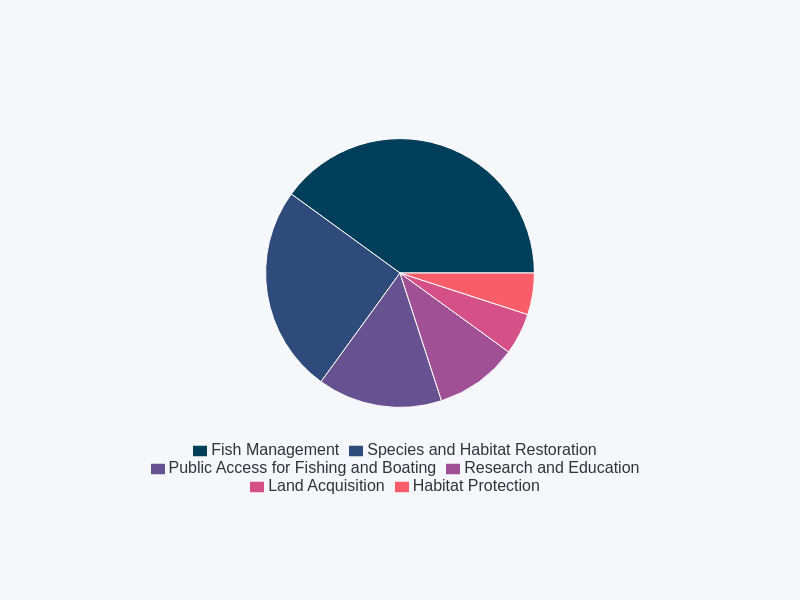
Purchasing a saltwater fishing license contributes significantly to marine conservation initiatives. The fees collected are allocated to various projects aimed at preserving aquatic ecosystems. For instance, in 2023, license sales in the U.S. generated over $1 billion for conservation efforts, including habitat restoration and species management. This funding is crucial for maintaining healthy fish populations and ensuring sustainable fishing practices.
Data Collection: The Backbone of Sustainable Fisheries
When you obtain a saltwater fishing license, you also contribute to vital data collection efforts that inform fisheries management. Agencies like the Department of Wildlife utilize this data to track fish populations and assess environmental impacts. This information is crucial for developing regulations that promote sustainable fishing practices and protect marine biodiversity.
Resident Licenses
If you’re a resident angler, you may qualify for a no-cost recreational saltwater shoreline fishing license. To obtain this license, you typically need proof of residency—such as a valid driver’s license or utility bill. Some states also require completion of a fishing education course. Be sure to check your state’s specific requirements by visiting your local wildlife agency’s website.
What It Covers
This license generally permits fishing from the shoreline but does not extend to boat fishing. Understanding these limitations is crucial to avoid penalties while enjoying your time on the water. For more information on specific regulations, refer to the National Saltwater Angler Registry for guidance.
Non-Resident Licenses
For non-residents, options include short-term (3-day or 7-day) or annual saltwater fishing licenses. Fees vary widely by state; for instance, Alabama charges $12 for a one-day license while Alaska’s annual fee is $145. Always consult your state’s wildlife department for current rates and regulations. You can find detailed information on Florida’s saltwater fishing licenses and their promotional pricing.
Special Licenses
Lifetime Licenses
Some states offer lifetime licenses for residents, which are valid from the date of purchase for the lifetime of the holder. These licenses often come with a higher upfront cost but offer long-term convenience and savings.
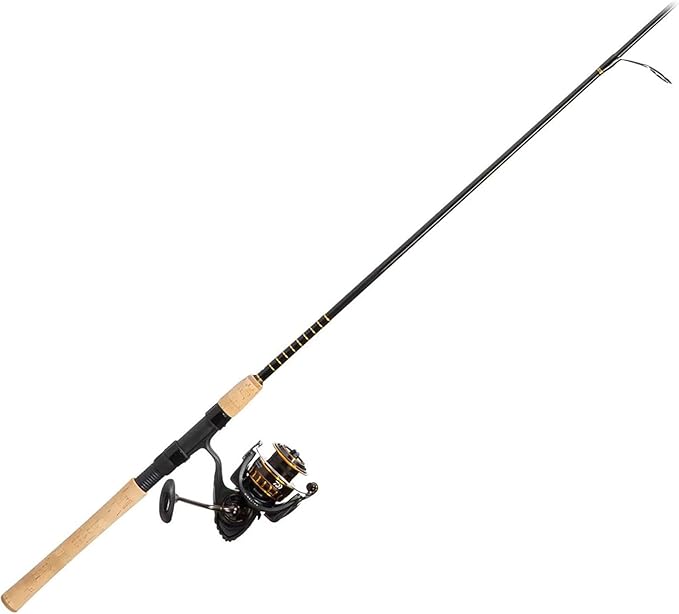
Daiwa BG Spinning Combo
Military and Senior Citizen Licenses
Special licenses are also available for active duty military personnel and senior citizens (usually those 65 years of age or older). These licenses often require specific documentation like a military ID or an identification card confirming your age. For example, Massachusetts offers discounted rates for seniors; visit Mass.gov for more details.
Example Fees by State
Here’s a quick comparison of saltwater fishing license fees across several states:
| State | 1-Day License | Annual License |
|---|---|---|
| Alabama | $12 | $29 |
| Alaska | $25 | $145 |
| Arizona | $20 | $55 |
| Arkansas | $16 | $50 |
Understanding these fees helps you budget effectively for your fishing adventures. Always remember to check specific license requirements and fees for your state to ensure you’re fishing legally and contributing to conservation efforts.
Cost And Where To Purchase A Saltwater Fishing License
Navigating the intricacies of obtaining a saltwater fishing license can feel overwhelming. However, this guide aims to simplify the process by providing comprehensive and up-to-date information on the costs involved, where you can purchase a license, and any additional permits you might need.
Cost of Licenses
Factors Affecting Cost
The cost of a saltwater fishing license varies significantly based on several factors, including residency status, duration of the license, and age. For example:
- A resident regular saltwater fishing license typically costs around $17.
- Non-residents may pay up to $75 for an annual license in states like South Carolina.
To get accurate pricing, always check your state’s official wildlife agency website. For instance, in Florida, a resident pays $17 for an annual license, while non-residents are charged $47.
State-Specific Costs
It’s crucial to consult your state’s list of license fees for precise information. For example:
- In Washington, a resident aged 16-69 pays $29.50 for an annual freshwater license, while a non-resident incurs a fee of $84.50.
For the latest updates on fees, visit your state’s wildlife resources department or division of marine fisheries.
Where To Purchase
You have several options when it comes to purchasing your saltwater fishing license:
- Online Platforms: Most states offer the convenience of purchasing licenses online, which is especially useful for last-minute plans. Check out Take Me Fishing for links to state-specific online purchasing options.
- Tackle Shops: These stores not only sell licenses but also provide valuable local fishing tips.
- Registered License Agents: Outdoor sporting goods stores and convenience shops often serve as licensed agents.
- Phone Purchases: Some states allow you to buy licenses via phone using a credit card. You will typically receive a confirmation number as proof until your physical license arrives.
Additional Permits
In some cases, you may require additional permits to fish for specific species. For example, a Snook Permit or a State Reef Fish Angler designation might be necessary for targeting certain fish types like red drum or bluefin tuna.
Importance of Additional Permits
These permits are essential not just for legal compliance but also because the fees collected contribute to conservation efforts aimed at protecting these species for future generations of anglers.
Summary of Costs by State
| State | Resident Cost | Non-Resident Cost |
|---|---|---|
| Florida | $17 | $47 |
| Texas | $35 | $63 |
| California | $52.66 | $137.53 |
| New Jersey | $22.50 | $32.50 |