
Fishing in Alabama is not just a pastime; it’s a cherished tradition that connects families and friends with the great outdoors. However, before you cast your line into the beautiful waters of Alabama, it’s crucial to understand the licensing requirements that govern fishing in the state. This article will guide you through everything you need to know about Alabama fishing licenses, ensuring that you can enjoy your fishing experience legally and responsibly.
Key Takeaways
In this article, you will learn:
- Who needs a fishing license in Alabama
- The different types of fishing licenses available
- How to obtain a fishing license, both online and in-person
- Common misconceptions about fishing licenses
- Additional resources for further information
Understanding Alabama Fishing License Requirements
Who Needs a Fishing License?
In Alabama, fishing licenses are required for:
- Residents aged 16 to 64: All residents in this age group must obtain a fishing license to fish in public waters.
- Non-residents aged 16 and older: Non-residents must also have a valid fishing license to fish in Alabama.
Exemptions:
- Individuals under 16 years old: They do not need a fishing license.
- Residents aged 65 and older: They are exempt from purchasing a fishing license, provided they have proof of age and residency.
- Military personnel: Residents who are home on military leave are also exempt from licensing requirements if they present valid ID and paperwork.
For more detailed information, visit the Alabama Department of Conservation and Natural Resources.
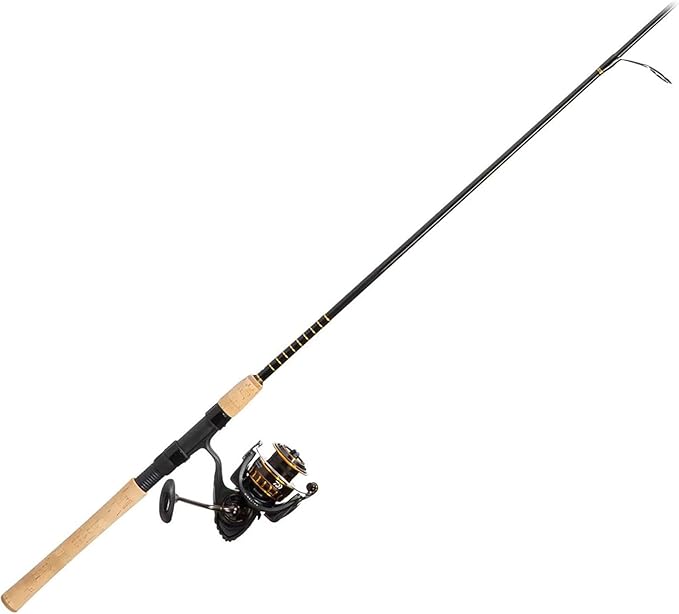
Daiwa BG Spinning Combo
Exemptions to the License Requirement
Certain individuals are exempt from needing a fishing license in Alabama, including:
- Children under 16 years of age: No license is required for fishing.
- Seniors aged 65 and over: Must provide proof of age and residency.
- Military personnel: Those on leave can fish without a license if they have the necessary documentation.
Types of Fishing Licenses Available
Freshwater Fishing License
The freshwater fishing license allows anglers to fish in Alabama’s lakes, rivers, and streams.
- Cost:
- Resident: $21.15
- Non-resident: $67.60
- Where to Purchase: Licenses can be purchased online through the Outdoor Alabama Portal or at various license agents.
Saltwater Fishing License
For those looking to fish in Alabama’s coastal waters, a saltwater fishing license is required.
- Cost:
- Resident: $30.00
- Non-resident: $52.50
- Where to Purchase: Similar to freshwater licenses, these can be obtained online or at authorized locations.
Combination and Special Licenses
Alabama also offers combination licenses for those who wish to fish both freshwater and saltwater. Additionally, special licenses may be available for specific fishing activities, such as pier fishing.
How to Obtain an Alabama Fishing License
Online Application Process
Obtaining a fishing license online is straightforward:
- Visit the Alabama Department of Conservation and Natural Resources website.
- Select the type of license you need.
- Fill in your personal information, including residency and date of birth.
- Make the payment using a credit or debit card.
- Print your license or save a digital copy on your device.
In-Person Purchase Options
If you prefer to purchase your license in person, you can do so at:
- Probate Offices: Located throughout Alabama.
- License Commissioner's Offices: Available in each county.
- Authorized Retailers: Stores like Walmart also sell fishing licenses.
Make sure to bring valid identification and proof of residency if required.
Do I Need a License for Charter Fishing?
Yes, anglers fishing on charter boats are still required to have a valid fishing license unless they are exempt under the previously mentioned criteria. It's essential to check with the charter service for any specific requirements they may have.
What Happens If I Fish Without a License?
Fishing without a license in Alabama can lead to significant penalties, including fines and potential legal action. It's crucial to ensure you have the proper licensing before you start fishing to avoid any issues.