
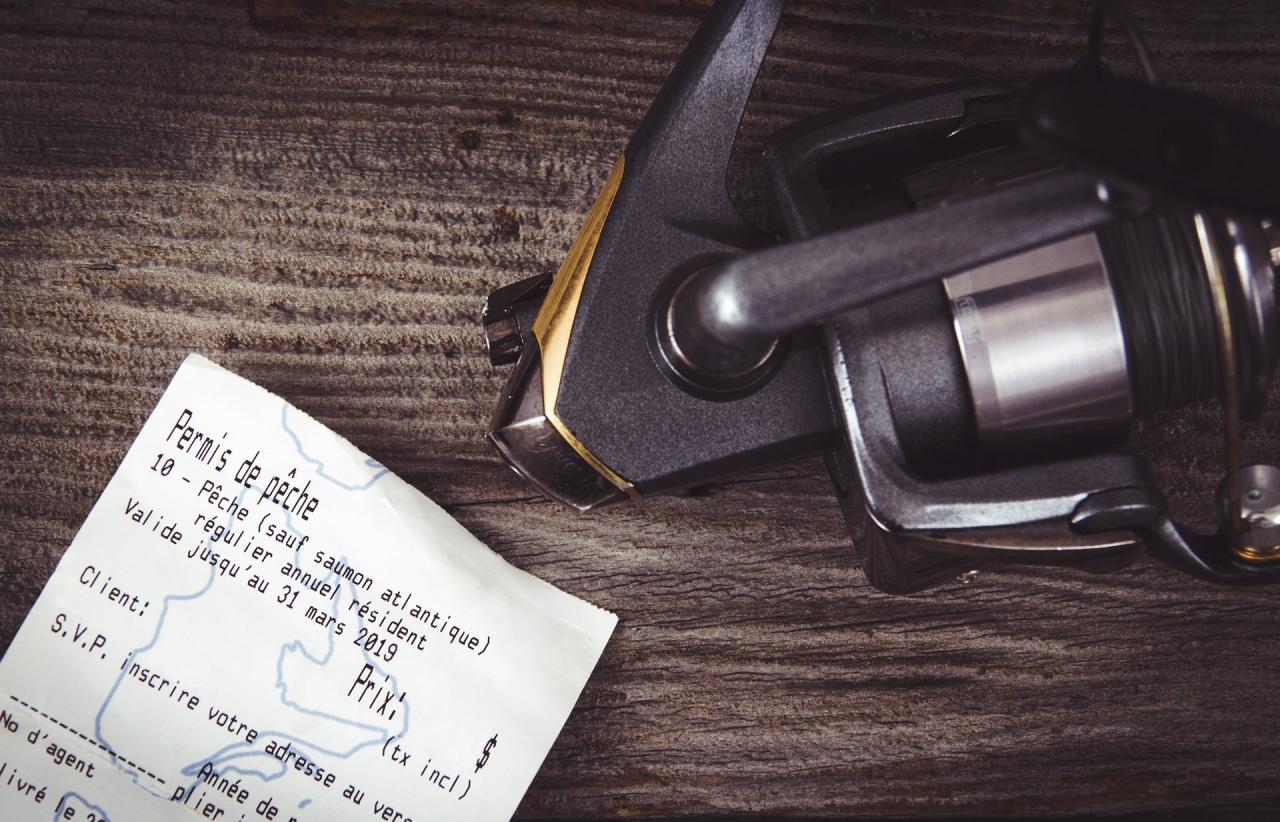
A one-day fishing license allows anglers to legally fish for a single day in a specific state or region without committing to a longer-term permit. It’s an excellent option for visitors, occasional anglers, or those looking to try fishing for the first time. With proper planning and preparation, you can turn this brief window into an unforgettable day of angling excitement.
Understanding One-Day Fishing Licenses
One-day fishing licenses are designed to provide flexibility and affordability for anglers who don’t require a full annual permit. These short-term licenses are available in most states across the United States, with prices and requirements varying by location.
Benefits of a One-Day Fishing License:
- Affordability: One-day licenses are significantly cheaper than annual permits, making them an economical choice for occasional anglers or those on a budget.
- Flexibility: Perfect for travelers or those with unpredictable schedules, allowing you to fish when and where you want without a long-term commitment.
- Try Before You Buy: Ideal for newcomers to test the waters of fishing as a potential hobby without investing in a full-year license.
- Conservation Support: The fees collected from one-day licenses contribute to vital conservation projects, ensuring healthy fish populations for future generations.
How to Obtain Your One-Day Fishing License
Acquiring a one-day fishing license is a straightforward process with several convenient options available:
- Online Purchase: Most states offer the ability to buy fishing licenses through their official fish and wildlife agency websites. Simply visit the site, provide the necessary information, pay with a credit card, and print your license or save a digital copy on your phone.
- In-Person Purchase: You can also buy a one-day fishing license at various locations, such as bait and tackle shops, sporting goods stores, or your local fish and wildlife agency office. This option allows you to get expert advice from knowledgeable staff.
- Phone Purchase: Some states provide the option to purchase licenses over the phone. Call the designated number, provide your information, and make a payment to receive your license.
When obtaining your license, be sure to check:
- Age requirements (typically between 16-18 years old)
- Residency status (prices may differ for residents and non-residents)
- Type of fishing (freshwater vs. saltwater, as some states require separate licenses)
Pro Tip: Always carry your license with you while fishing, either as a physical copy or a digital version on your smartphone.
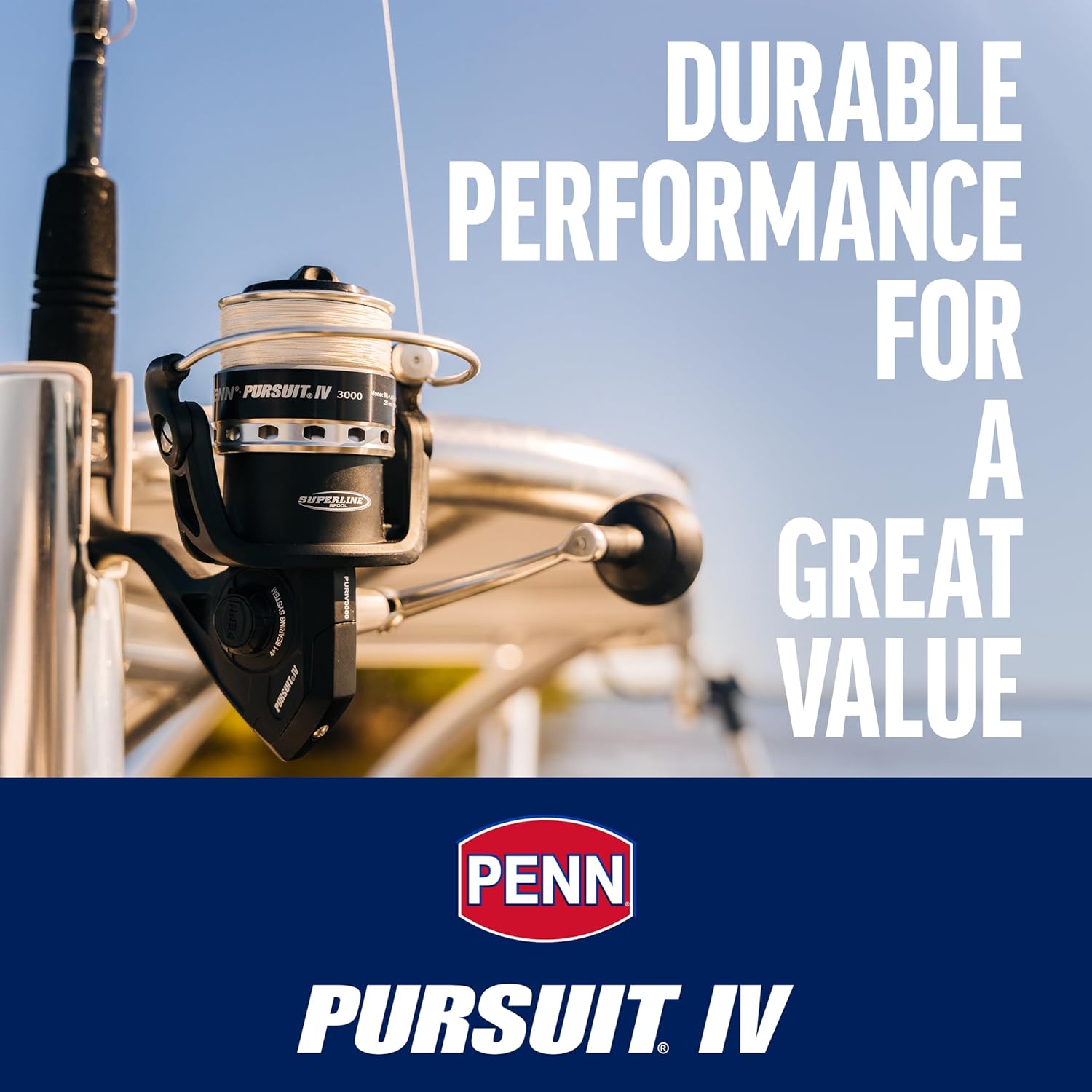
Penn Pursuit IV Spinning Combo
Making the Most of Your One-Day License
To ensure a successful and enjoyable fishing trip with your one-day license, consider the following tips:
- Research Fishing Spots: Before heading out, investigate the best fishing locations in the area. Look for spots known for the type of fish you hope to catch, and check local fishing reports for up-to-date information on water conditions and fish activity.
- Check the Weather: Keep an eye on the weather forecast leading up to your fishing day. Adverse weather conditions can impact fish behavior and make for an unpleasant experience. If possible, plan your trip for a day with favorable weather.
-
Gather the Right Gear: Ensure you have all the necessary equipment for your fishing adventure. This includes:
- Appropriate rod and reel
- Fishing line
- Hooks, lures, and bait
- Pliers or fish gripper
- Net
- Cooler for your catch
- Sunscreen and hat
- Plenty of water and snacks
- Familiarize Yourself with Regulations: In addition to obtaining a one-day fishing license, it's crucial to understand and follow all fishing regulations in the area you'll be visiting. These may include catch limits, size restrictions, and approved fishing methods.
-
Practice Responsible Fishing: As a steward of the environment, it's essential to practice responsible fishing habits. This includes:
- Properly disposing of trash
- Respecting wildlife and their habitats
- Adhering to catch-and-release guidelines when necessary
- Using appropriate fishing techniques to minimize harm to fish
-
Learn Basic Fishing Skills: If you're new to fishing or need a refresher, take some time to practice essential skills before your trip:
- Knot tying
- Casting techniques
- Proper hook setting
- Fish handling and release methods
- Consider a Guided Tour: For those new to fishing or unfamiliar with the area, a guided fishing tour can be an excellent investment. Professional guides have extensive knowledge of local waters, fish behaviors, and effective techniques to help maximize your chances of success.
- Prepare Yourself Physically: Get a good night's sleep before your fishing trip to ensure you're alert and energized. This is especially important if you're planning an early morning start. Being well-rested can also help combat potential seasickness if you're fishing from a boat.
- Bring a Camera: Don't forget to document your fishing adventure! A waterproof camera or smartphone in a protective case can help you capture memories of your day on the water.
Understanding Fishing License Exemptions
While most anglers will need to purchase a one-day fishing license, there are some exceptions. Always check with the state agency where you plan to fish, as exemptions can vary and are subject to change. Common exemptions may include:
- Children under a specific age (usually 16 or younger)
- Veterans or active military personnel
- Persons with disabilities
- Resident seniors (in some states)
Additionally, many states offer “Free Fishing Days” throughout the year, where anglers can fish without a license. These days provide an excellent opportunity to try fishing without incurring any license fees.
The Importance of Fishing Licenses
Understanding why fishing licenses are required can help you appreciate their value beyond just legal compliance:
- Conservation Efforts: License fees fund crucial conservation projects, including habitat restoration, fish stocking, and pollution control. These initiatives ensure sustainable fish populations and healthy ecosystems.
- Regulation and Balance: Licenses help manage the number of anglers to prevent potential overfishing, maintaining a healthy balance in aquatic ecosystems.
- Supporting Research: Funds from licenses fuel research that leads to better practices in fishery management and environmental preservation.
- Education and Resources: License fees support educational programs that teach safety, responsible fishing techniques, and conservation ethics.
Frequently Asked Questions
- Can I use my one-day fishing license to fish in multiple locations? This depends on the state issuing the license. Some states allow you to fish in any public body of water within the state, while others may restrict your license to a specific region or type of water (freshwater or saltwater). Always check the terms of your license to understand where it is valid.
- Do I need a separate license for each day I plan to fish? Yes, a one-day fishing license is valid for a single calendar day. If you want to fish for multiple days, you'll need to purchase a license for each day or consider a short-term or annual license that covers a longer period.
- Are there any age restrictions for one-day fishing licenses? Age requirements vary by state, but most states offer reduced-price or free licenses for children, seniors, and disabled individuals. Some states also have a minimum age requirement for purchasing a license, typically between 12 and 16 years old.
- Do I need a fishing license if I'm only catching and releasing fish? In most states, you need a valid fishing license even if you plan to release all the fish you catch. The act of fishing itself requires a license, regardless of what you do with your catch.
- Can I use my one-day fishing license to fish in a different state? No, fishing licenses are issued by individual states and are only valid within that state's boundaries. If you plan to fish in multiple states, you'll need to obtain a license for each state you visit.