
Understanding Fishing Licenses
Fishing licenses are legal documents required by state wildlife agencies for individuals who wish to fish in public waters. These licenses serve several important purposes:
- Conservation efforts: License fees fund crucial conservation programs, habitat restoration, and fish stocking initiatives.
- Regulation and balance: Licenses help manage the number of anglers to prevent overfishing and maintain healthy ecosystems.
- Supporting research: Funds from licenses fuel research for better fishery management and environmental preservation.
- Education and resources: License fees support educational programs on responsible fishing techniques and conservation ethics.
Now that we understand the importance of fishing licenses, let’s explore the common reasons why you might encounter difficulties obtaining one.
Common Reasons for Fishing License Denials or Difficulties
1. Incomplete or Incorrect Application
One of the most frequent reasons for fishing license denials is submitting an incomplete or incorrect application. This can include:
- Missing personal information
- Incorrect identification details
- Failure to sign the application
Solution: Double-check all information before submitting your application. If applying online, ensure all required fields are filled out accurately.
2. Failing to Meet Residency Requirements
Many states offer different licenses and fees for residents and non-residents. If you’re unable to prove your residency status, you may face difficulties obtaining a license.
Solution: Be prepared to provide proof of residency, such as a driver’s license, utility bill, or other state-issued identification.
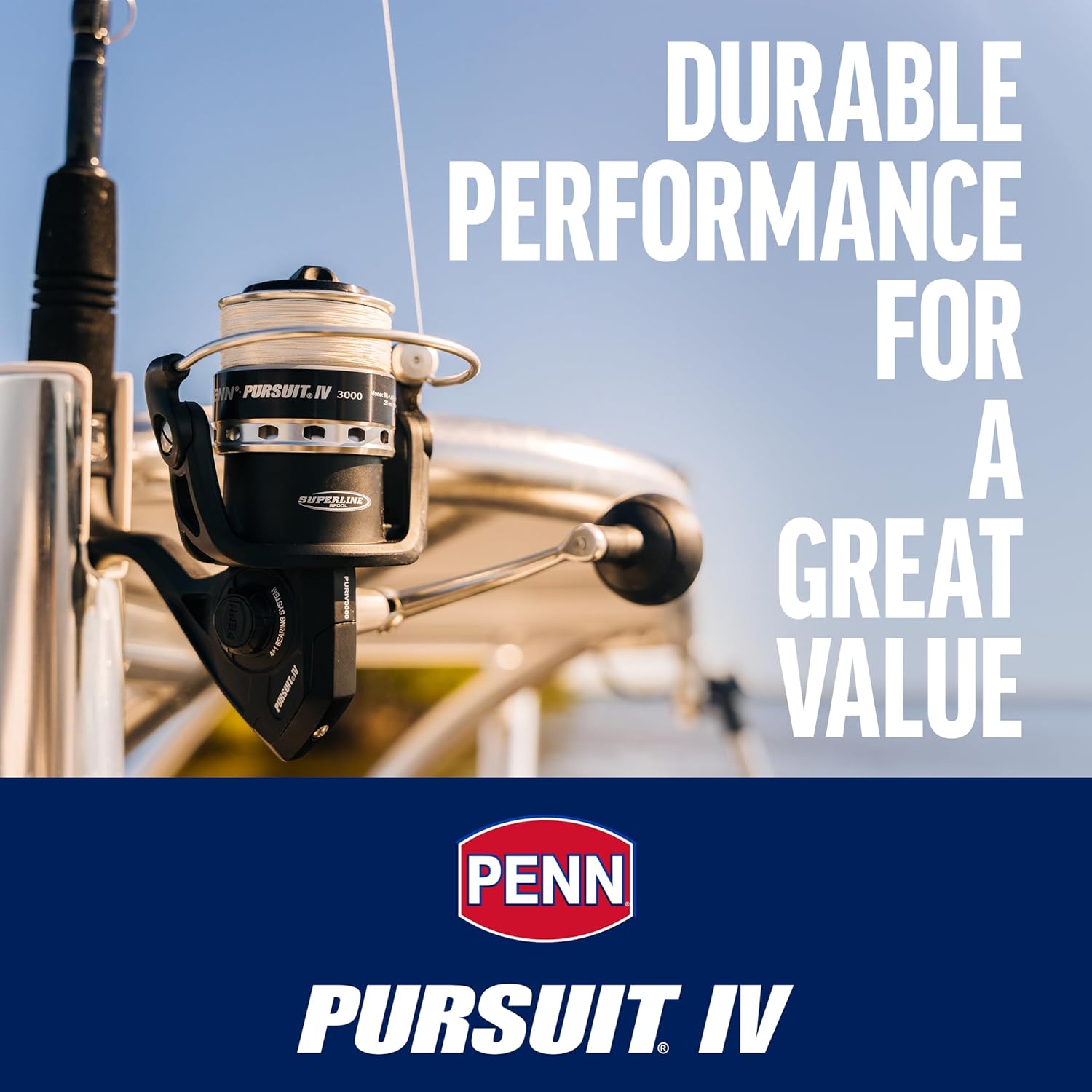
Penn Pursuit IV Spinning Combo
3. Age Restrictions
Age requirements for fishing licenses vary by state. Generally, most states require individuals between 16 and 65 years old to have a license, with exceptions for youth and seniors.
Solution: Check your state’s specific age requirements. If you’re under the required age, you may be eligible for a youth license or exemption.
4. Prior Violations or Legal Issues
If you have previous fishing violations or unpaid fines, you may be denied a new license.
Solution: Resolve any outstanding violations or fines before applying for a new license. Contact your state’s wildlife agency to address any issues.
5. Failure to Complete Required Education or Safety Courses
Some states require anglers to complete fishing education or safety courses before obtaining a license, especially for specific types of fishing.
Solution: Research your state’s requirements and complete any necessary courses before applying for your license.
6. Technical Issues with Online Applications
As more states move towards online licensing systems, technical glitches can sometimes occur.
Solution: If you encounter issues with an online application, try using a different browser or device. Alternatively, consider applying in person at a licensed vendor or state wildlife office.
7. Seasonal Restrictions or Closures
Some fishing areas may have seasonal restrictions or closures that affect license availability.
Solution: Check your state’s fishing regulations and season dates before applying for a license. Consider purchasing a license for a different area or waiting until the season opens.
8. Quota Limitations
In some cases, states may limit the number of licenses issued for certain types of fishing or specific areas.
Solution: Apply for your license early in the season to increase your chances of obtaining one before quotas are reached. Consider alternative fishing locations if your preferred area is at capacity.
9. Failure to Provide Proper Identification
Most states require valid identification when applying for a fishing license.
Solution: Ensure you have a government-issued ID, such as a driver’s license or passport, when applying for your license.
10. Non-compliance with Child Support Orders
Some states may deny fishing licenses to individuals who are not in compliance with child support orders.
Solution: Address any outstanding child support issues before applying for a fishing license. Contact your state’s child support enforcement agency for assistance.
State-Specific Regulations and Requirements
It’s crucial to understand that fishing license requirements can vary significantly from state to state. Here are some examples of state-specific regulations:
- California: Requires a sport fishing license for individuals 16 years and older, with separate licenses for freshwater and saltwater fishing.
- Florida: Offers various license options, including freshwater, saltwater, and combination licenses. Some exemptions exist for residents fishing in their home county.
- Texas: Provides a wide range of license options, including all-water fishing packages and special licenses for seniors and disabled veterans.
Always check your state’s specific regulations and requirements before applying for a fishing license.
How to Apply for a Fishing License
Now that we’ve covered common reasons for fishing license difficulties, let’s review the general process for obtaining a license:
- Online application: Most states offer online licensing systems for convenient application and renewal.
- In-person purchase: Licenses can often be purchased at sporting goods stores, bait shops, or state wildlife offices.
- Phone application: Some states allow license purchases over the phone.
When applying, be prepared to provide:
- Personal information (name, address, date of birth)
- Valid identification
- Payment for license fees
- Any required certifications or course completions
Benefits of Holding a Valid Fishing License
Obtaining a valid fishing license offers several benefits beyond legal compliance:
- Supporting conservation: Your license fees directly contribute to wildlife conservation efforts.
- Access to better facilities: License revenues often fund improvements to fishing access points and facilities.
- Peace of mind: Fishing with a valid license ensures a stress-free experience without worrying about potential fines or penalties.