
In the United States, fishing licenses are issued by state governments, with each state having its own specific regulations and fees. Whether you’re a seasoned pro or a first-time angler, understanding the licensing process is essential to ensure you’re fishing legally and responsibly.
In this comprehensive guide, we’ll dive into the world of fishing licenses, exploring who issues them, how to obtain them, and why they’re so important for the conservation of our nation’s aquatic resources. So grab your tackle box, and let’s get started!
Why Fishing Licenses Matter
Before we delve into the specifics of obtaining a fishing license, let’s take a moment to understand why they’re so crucial. Fishing licenses are more than just a legal requirement; they’re a vital tool in the conservation and management of our fish populations and aquatic habitats.
When you purchase a fishing license, a portion of the fees goes directly toward supporting various conservation initiatives in your state. These initiatives include:
- Habitat Restoration: Fishing license fees help fund projects that restore and enhance fish habitats, such as stream bank stabilization, fish passage improvements, and the creation of artificial reefs.
- Fish Stocking: Many states use license fees to support fish hatcheries, which raise and stock fish in lakes, rivers, and streams to maintain healthy populations and provide ample fishing opportunities.
- Research and Monitoring: License fees also support scientific research and monitoring programs that help wildlife agencies better understand and manage fish populations and their habitats.
- Access and Infrastructure: Your license fees help maintain and improve fishing access sites, boat ramps, fishing piers, and other infrastructure that make it easier for anglers to enjoy their favorite pastime.
- Education and Outreach: A portion of license fees is often used to support educational programs that teach new anglers about fishing techniques, conservation, and outdoor ethics.
By purchasing a fishing license, you’re not only ensuring that you’re fishing legally, but you’re also directly contributing to the conservation and enhancement of the resources that make fishing possible. It’s a small investment that yields significant returns for the future of fishing.
State-by-State Fishing License Issuers
Now that we understand the importance of fishing licenses let’s take a closer look at who issues them in each state. While the specific agency responsible for issuing licenses may vary from state to state, they typically fall under the jurisdiction of the state’s fish and wildlife department or natural resources agency.
Below, you’ll find a state-by-state breakdown of the primary fishing license issuers:
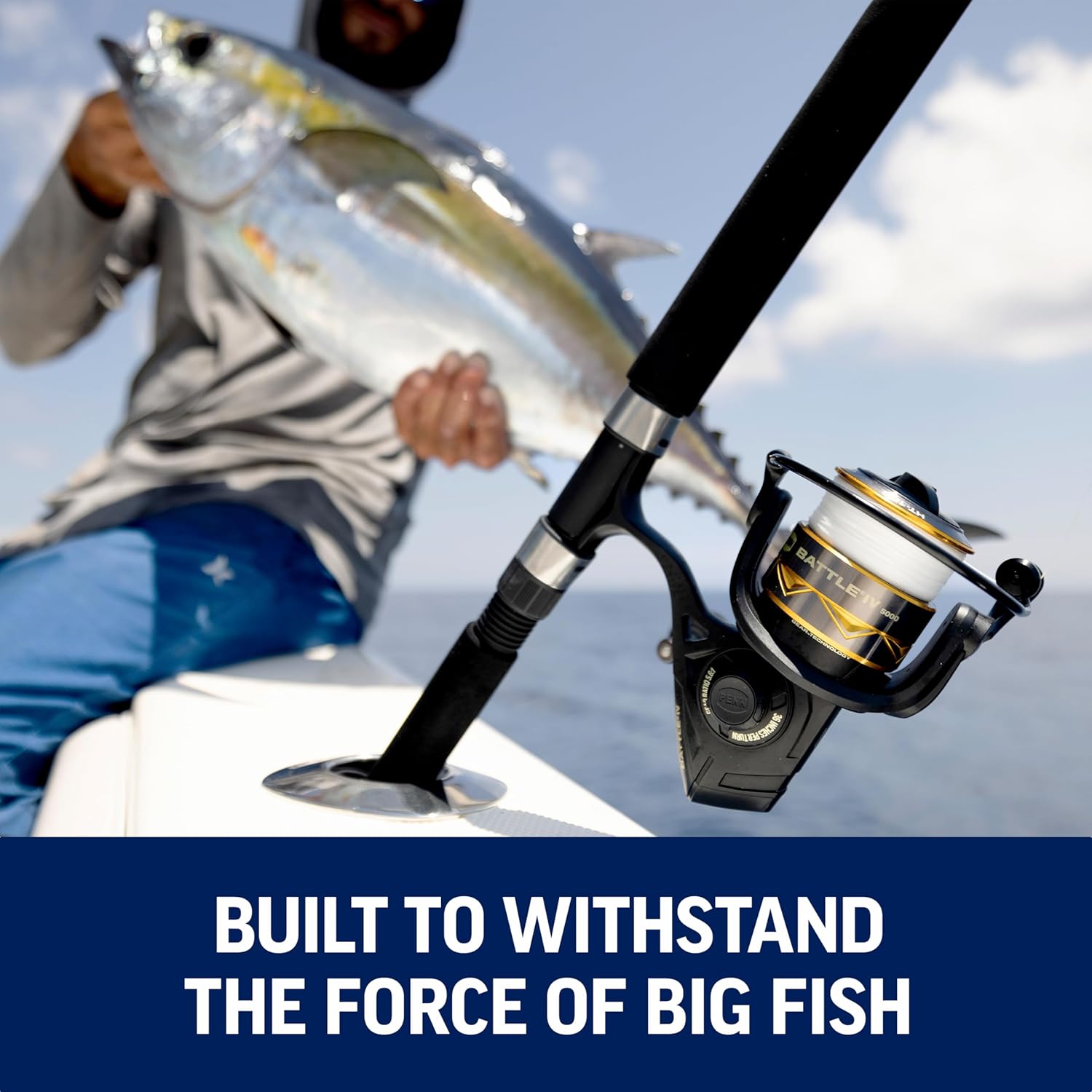
Penn Battle III Surf Spinning Combo
Alabama
- Agency: Alabama Department of Conservation and Natural Resources
- Website: www.outdooralabama.com
Alaska
- Agency: Alaska Department of Fish and Game
- Website: www.adfg.alaska.gov
Arizona
- Agency: Arizona Game and Fish Department
- Website: www.azgfd.com
Arkansas
- Agency: Arkansas Game and Fish Commission
- Website: www.agfc.com
California
- Agency: California Department of Fish and Wildlife
- Website: www.wildlife.ca.gov
Colorado
- Agency: Colorado Parks and Wildlife
- Website: cpw.state.co.us
Connecticut
- Agency: Connecticut Department of Energy and Environmental Protection
- Website: portal.ct.gov/DEEP
Delaware
- Agency: Delaware Division of Fish and Wildlife
- Website: dnrec.alpha.delaware.gov
Florida
- Agency: Florida Fish and Wildlife Conservation Commission
- Website: myfwc.com
Georgia
- Agency: Georgia Department of Natural Resources - Wildlife Resources Division
- Website: georgiawildlife.com
Hawaii
- Agency: Hawaii Department of Land and Natural Resources - Division of Aquatic Resources
- Website: dlnr.hawaii.gov/dar
Idaho
- Agency: Idaho Department of Fish and Game
- Website: idfg.idaho.gov
Illinois
- Agency: Illinois Department of Natural Resources
- Website: www2.illinois.gov/dnr
Indiana
- Agency: Indiana Department of Natural Resources
- Website: www.in.gov/dnr
Iowa
- Agency: Iowa Department of Natural Resources
- Website: www.iowadnr.gov
Kansas
- Agency: Kansas Department of Wildlife, Parks, and Tourism
- Website: ksoutdoors.com
Kentucky
- Agency: Kentucky Department of Fish and Wildlife Resources
- Website: fw.ky.gov
Louisiana
- Agency: Louisiana Department of Wildlife and Fisheries
- Website: www.wlf.louisiana.gov
Maine
- Agency: Maine Department of Inland Fisheries and Wildlife
- Website: www.maine.gov/ifw
Maryland
- Agency: Maryland Department of Natural Resources
- Website: dnr.maryland.gov
Massachusetts
- Agency: Massachusetts Division of Fisheries and Wildlife
- Website: www.mass.gov/orgs/division-of-fisheries-and-wildlife
Michigan
- Agency: Michigan Department of Natural Resources
- Website: www.michigan.gov/dnr
Minnesota
- Agency: Minnesota Department of Natural Resources
- Website: www.dnr.state.mn.us
Mississippi
- Agency: Mississippi Department of Wildlife, Fisheries, and Parks
- Website: www.mdwfp.com
Missouri
- Agency: Missouri Department of Conservation
- Website: mdc.mo.gov
Montana
- Agency: Montana Fish, Wildlife & Parks
- Website: fwp.mt.gov
Nebraska
- Agency: Nebraska Game and Parks Commission
- Website: outdoornebraska.gov
Nevada
- Agency: Nevada Department of Wildlife
- Website: www.ndow.org
New Hampshire
- Agency: New Hampshire Fish and Game Department
- Website: www.wildlife.state.nh.us
New Jersey
- Agency: New Jersey Division of Fish and Wildlife
- Website: www.njfishandwildlife.com
New Mexico
- Agency: New Mexico Department of Game and Fish
- Website: www.wildlife.state.nm.us
New York
- Agency: New York State Department of Environmental Conservation
- Website: www.dec.ny.gov
North Carolina
- Agency: North Carolina Wildlife Resources Commission
- Website: www.ncwildlife.org
North Dakota
- Agency: North Dakota Game and Fish Department
- Website: gf.nd.gov
Ohio
- Agency: Ohio Department of Natural Resources - Division of Wildlife
- Website: ohiodnr.gov
Oklahoma
- Agency: Oklahoma Department of Wildlife Conservation
- Website: www.wildlifedepartment.com
Oregon
- Agency: Oregon Department of Fish and Wildlife
- Website: www.dfw.state.or.us
Pennsylvania
- Agency: Pennsylvania Fish and Boat Commission
- Website: www.fishandboat.com
Rhode Island
- Agency: Rhode Island Department of Environmental Management
- Website: www.dem.ri.gov
South Carolina
- Agency: South Carolina Department of Natural Resources
- Website: www.dnr.sc.gov
South Dakota
- Agency: South Dakota Game, Fish and Parks
- Website: gfp.sd.gov
Tennessee
- Agency: Tennessee Wildlife Resources Agency
- Website: www.tn.gov/twra
Texas
- Agency: Texas Parks and Wildlife Department
- Website: tpwd.texas.gov
Utah
- Agency: Utah Division of Wildlife Resources
- Website: wildlife.utah.gov
Vermont
- Agency: Vermont Fish and Wildlife Department
- Website: vtfishandwildlife.com
Virginia
- Agency: Virginia Department of Wildlife Resources
- Website: dwr.virginia.gov
Washington
- Agency: Washington Department of Fish and Wildlife
- Website: wdfw.wa.gov
West Virginia
- Agency: West Virginia Division of Natural Resources
- Website: wvdnr.gov
Wisconsin
- Agency: Wisconsin Department of Natural Resources
- Website: dnr.wisconsin.gov
Wyoming
- Agency: Wyoming Game and Fish Department
- Website: wgfd.wyo.gov
By visiting the appropriate state agency website, you can find detailed information on the types of licenses available, fees, age requirements, and the various methods for purchasing your license, whether online, by phone, or in person.
Types of Fishing Licenses
While the specific types of fishing licenses may vary from state to state, there are some common categories you’ll likely encounter:
- Annual Licenses: These licenses are valid for a full year, typically from the date of purchase or from a specific start date (e.g., January 1st). Annual licenses are often the most cost-effective option for anglers who plan to fish regularly throughout the year.
- Short-Term Licenses: Many states offer short-term licenses for anglers who only plan to fish for a limited time. These licenses may be valid for a single day, a few days, or up to a week or more. Short-term licenses are ideal for vacationers or those who only fish occasionally.
- Resident vs. Non-Resident Licenses: Most states offer different license options and fees for residents and non-residents. Resident licenses are typically less expensive and may have additional privileges, such as the ability to purchase certain specialty licenses or permits.
- Youth Licenses: To encourage young anglers to take up fishing, many states offer discounted or even free licenses for children and teenagers. The age range for youth licenses varies by state, but it typically includes anglers under 16 or 18 years old.
- Senior Licenses: Some states offer discounted licenses for senior anglers, usually those aged 65 or older. These licenses may be annual or lifetime, depending on the state.
- Specialty Licenses: Depending on the state and the type of fishing you plan to do, you may need to purchase additional licenses or permits. For example, if you want to fish for migratory species like salmon or steelhead, you may need a special endorsement or tag. Similarly, if you plan to fish in certain high-demand areas or for certain species, you may need to enter a lottery or purchase a limited-entry permit.
When purchasing your fishing license, be sure to carefully review the options available in your state and choose the one that best fits your needs and budget. Don’t hesitate to reach out to your state’s fish and wildlife agency if you have any questions or need assistance in selecting the right license.
Fishing License Fees and Discounts
Fishing license fees can vary significantly from state to state and depending on the type of license you purchase. In general, annual licenses for residents tend to be the most affordable, while non-resident and short-term licenses are more expensive.
To give you a rough idea of the cost, here are some examples of fishing license fees from various states as of 2024:
- California: Annual resident fishing license - $52.66; Annual non-resident fishing license - $142.05
- Florida: Annual resident saltwater fishing license - $17.00; Annual non-resident saltwater fishing license - $47.00
- Minnesota: Annual resident fishing license - $25.00; Annual non-resident fishing license - $51.00
- New York: Annual resident fishing license - $25.00; Annual non-resident fishing license - $50.00
- Texas: Annual resident “All Water” fishing license (freshwater and saltwater) - $47.00; Annual non-resident “All Water” fishing license - $63.00
Keep in mind that these prices are subject to change, and there may be additional fees for certain specialty licenses or permits.
Many states offer discounts on fishing licenses for certain groups, such as:
- Youth: As mentioned earlier, most states offer discounted or free licenses for young anglers, typically those under 16 or 18 years old.
- Seniors: Some states provide discounted licenses for senior anglers, usually starting at age 65.
- Veterans and Active Military: Many states offer discounted or even free licenses for veterans, active-duty military personnel, and disabled veterans.
- Disabled Anglers: Some states provide discounted or free licenses for anglers with disabilities.
- Combination Licenses: If you plan to both fish and hunt, you may be able to save money by purchasing a combination hunting and fishing license, rather than buying each license separately.
It’s always a good idea to check with your state’s fish and wildlife agency to see what discounts or special offers may be available to you.
How to Obtain a Fishing License
Obtaining a fishing license is a straightforward process, with most states offering several convenient options:
- Online: The easiest and most popular method is to purchase your license online through your state’s fish and wildlife agency website. You’ll typically need to provide some basic personal information, such as your name, address, and date of birth, and pay with a credit card. Once your purchase is complete, you can usually print out a temporary license to use until your official license arrives in the mail.
- By Phone: Many states allow you to purchase a fishing license over the phone by calling a designated toll-free number. You’ll need to provide the same information as you would for an online purchase and pay with a credit card.
- In Person: You can often buy a fishing license in person at your state’s fish and wildlife agency offices, as well as at many sporting goods stores, bait and tackle shops, and even some convenience stores. When purchasing in person, you may be able to pay with cash, check, or credit card, depending on the location.
- By Mail: Some states allow you to purchase a fishing license by mail. You’ll need to download an application form from your state’s fish and wildlife agency website, fill it out, and mail it in along with the appropriate payment.
Regardless of the method you choose, be sure to carefully review your state’s fishing regulations and any special requirements for the type of fishing you plan to do. Some states may require you to complete a fishing education course or obtain additional permits for certain species or fishing methods.
Once you have your fishing license, be sure to keep it with you whenever you’re fishing, as you may be asked to present it to a game warden or other law enforcement officer. In many states, you can now store your fishing license on your smartphone using a designated app or by taking a photo of your physical license.