
Understanding Fishing License Exemptions for Minors
Most states offer fishing license exemptions for minors to promote youth participation in the sport. These exemptions typically apply to children and teenagers under a certain age, allowing them to fish without a license when accompanied by a licensed adult. However, the specific age requirements and conditions vary by state.
It’s essential to note that while many states provide license exemptions for minors, there may be additional requirements or restrictions. For example, some states may have different age limits for certain types of fishing, such as saltwater or freshwater fishing. Others may require a free permit or registration for minors, even if a license is not necessary.
To ensure compliance with your state’s regulations, always check the official website of your state’s fish and wildlife agency for the most up-to-date information on youth fishing license requirements. These agencies provide detailed guidelines, age limits, and any special conditions that apply to minors fishing in your state.
State-by-State Legal Fishing Age Overview
To help you plan your family fishing adventures, we’ve compiled a state-by-state breakdown of the legal fishing age requirements. Use this quick reference to determine when your young angler can fish license-free:
| State | License-Free Fishing Age | Official Website |
|---|---|---|
| Alabama | Under 16 | Alabama Department of Conservation and Natural Resources |
| Alaska | Under 18 | Alaska Department of Fish and Game |
| Arizona | Under 10 | Arizona Game and Fish Department |
| Arkansas | Under 16 | Arkansas Game and Fish Commission |
| California | Under 16 | California Department of Fish and Wildlife |
| Colorado | Under 16 | Colorado Parks and Wildlife |
| Connecticut | Under 16 | Connecticut Department of Energy and Environmental Protection |
| Delaware | Under 16 | Delaware Division of Fish and Wildlife |
| Florida | Under 16 | Florida Fish and Wildlife Conservation Commission |
| Georgia | Under 16 | Georgia Department of Natural Resources |
Note: This table is a sample and does not include all 50 states. For a complete list, please refer to the full article.
In addition to the state-specific age requirements, it’s important to consider any reciprocal agreements between states. Some states have agreements that allow anglers with a valid fishing license from one state to fish in another state’s waters. However, these agreements may have specific conditions or limitations, so it’s always best to check with the fish and wildlife agencies of the states you plan to fish in.
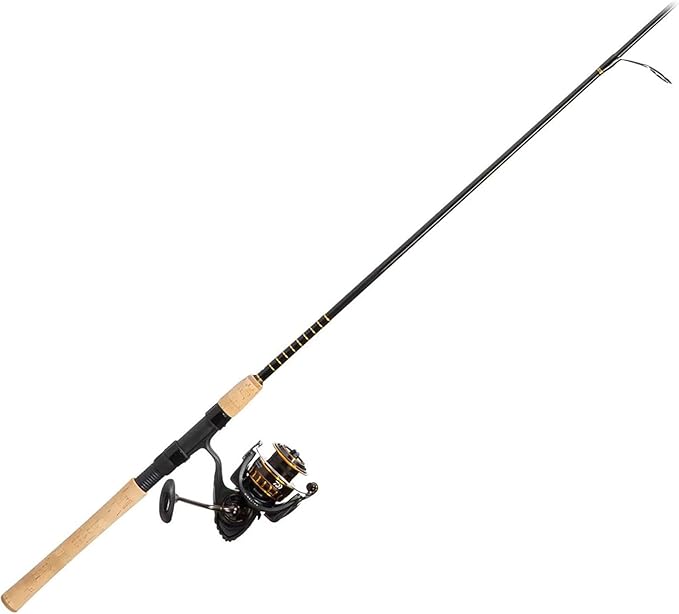
Daiwa BG Spinning Combo
Frequently Asked Questions About Youth Fishing Licenses
What if my child is over the legal fishing age?
Once your child reaches the legal fishing age in your state, they’ll need to obtain a valid fishing license to continue enjoying the sport. Most states offer affordable youth licenses, encouraging continued participation in fishing. Some states even provide discounted or graduated license fees for young anglers transitioning from the license-free age to the licensed age.
When purchasing a fishing license for your child, be sure to review the available options. Many states offer different types of licenses based on factors such as the duration of validity (e.g., annual, short-term, or lifetime licenses), the type of fishing (e.g., freshwater or saltwater), and the species of fish targeted. Consider your child’s fishing interests and frequency when selecting the most appropriate license.
Are there any exceptions to the legal fishing age?
Yes, some states offer additional exceptions to the legal fishing age requirements. For example:
- Free Fishing Days: Many states designate specific days or weekends as “Free Fishing Days” when anyone can fish without a license, regardless of age. These special occasions are designed to introduce newcomers to the sport and promote family fishing. Check your state’s fish and wildlife agency website for information on upcoming Free Fishing Days.
- Fishing on Private Property: In some cases, fishing on private property, such as a pond or lake owned by you or a friend, may not require a fishing license. However, it’s essential to obtain permission from the property owner and adhere to any specific rules they may have in place. Keep in mind that state regulations may still apply to the number and size of fish caught, even on private property.
- Fishing at Stocked Ponds or Fishing Piers: Some states allow license-free fishing at specific stocked ponds or fishing piers, often located in parks or urban areas. These designated areas are intended to provide accessible fishing opportunities for youth and beginners. Check with your local parks department or fish and wildlife agency to find out if there are any stocked ponds or fishing piers in your area that allow fishing without a license.
Do I need a license if I’m assisting my child while fishing?
The requirements for adults assisting children while fishing vary by state. In some states, if you are actively participating in fishing alongside your child, you’ll need a valid fishing license. This includes activities such as casting, reeling, or handling the fishing equipment.
However, in other states, if you are simply supervising and not actively fishing yourself, you may not need a license. This allows parents or guardians to provide guidance and assistance to their young anglers without needing a license themselves.
To determine the specific requirements in your state, consult the official website of your state’s fish and wildlife agency. They will provide clear guidelines on whether adults assisting children need a fishing license.
Engaging the Next Generation of Anglers
Introducing children to fishing at a young age can foster a lifelong love for the sport and a deep appreciation for the great outdoors. By understanding the legal fishing age requirements in your state, you can plan memorable fishing trips that comply with regulations while instilling a passion for fishing in the next generation.
Consider these ideas to engage young anglers:
By fostering a love for fishing and guiding your child through the sport responsibly, you’ll help create a new generation of passionate, conservation-minded anglers who will carry on the tradition for years to come.