
Fishing is a popular pastime across the United States, with nearly 50 million Americans participating each year. However, there are specific license requirements that every angler must follow based on their state of residence and age. So what is the minimum age to get a fishing license in the USA?
The minimum age to legally obtain a fishing license ranges from 9 years old to 18 years old, depending on individual state regulations. Most states set 16 years as the baseline age for requiring a fishing license. However, some states allow younger children to fish license-free or offer special “junior” licenses with reduced fees. On the other end, a few states push the licensing age higher to 17 or 18 years old.
Beyond meeting age requirements, additional factors like residency status, fishing location, license duration, and intended catch can all impact fishing license regulations. Understanding the basics helps ensure you are following local fishing guidelines and supporting important conservation efforts.
Overview of Fishing License Requirements in the USA
Recreational fishing licenses are essential for fishing in all U.S. coastal waters and inland states, with the exception of Hawaii. These licenses are designed to regulate fishing activities and generate funds for the conservation and enhancement of fisheries through several key initiatives:
- Fish Stocking: Supporting hatcheries to raise and release fish into lakes and rivers.
- Habitat Conservation: Protecting and enhancing shorelines, wetlands, and spawning areas.
- Research: Conducting studies on fish populations and habitats to establish appropriate catch limits.
- Enforcement: Employing game wardens to ensure compliance with fishing regulations.
Licenses are mandated and regulated at the state level by natural resource or fish and wildlife agencies. As of 2025, costs for fishing licenses vary widely, ranging from approximately $5 for a daily permit to over $1,000 for an annual non-resident or lifetime license.
There are distinct licensing options available for residents—defined as individuals living in the state for six months or longer—and non-residents. Common license types include those specific to saltwater fishing, trout fishing, commercial fishing, crabbing, clamming, bow fishing, and more.
Key Updates for 2025:
- Minnesota: A new electronic licensing system will launch on March 4, 2025, allowing residents and non-residents to purchase licenses online or via a mobile app. From late February 2025 to March 3, residents will be exempt from license requirements for game or fish.
- Colorado: The 2024-2025 fishing license is valid from March 1, 2024, through March 31, 2025. An $11.50 Habitat Stamp is required for anglers aged 18-64 with their first license purchase.
- Massachusetts: The 2025 freshwater fishing license fees include $36.50 for residents and $46.50 for non-residents.
- California: The new sport fishing licenses will be valid from June 1, 2025, through May 31, 2026. Fees will increase slightly across various categories.
By ensuring your content is structured clearly with headings and bullet points while providing direct answers to common questions about fishing licenses, you can enhance visibility in search results and improve the likelihood of appearing in featured snippets.
Fishing License Age Limits Across the USA
Understanding the fishing license age limits is crucial for anglers across the United States. While most states require individuals to be at least 16 years old to obtain a fishing license, several states have different regulations. Here’s a breakdown of the age requirements by state:
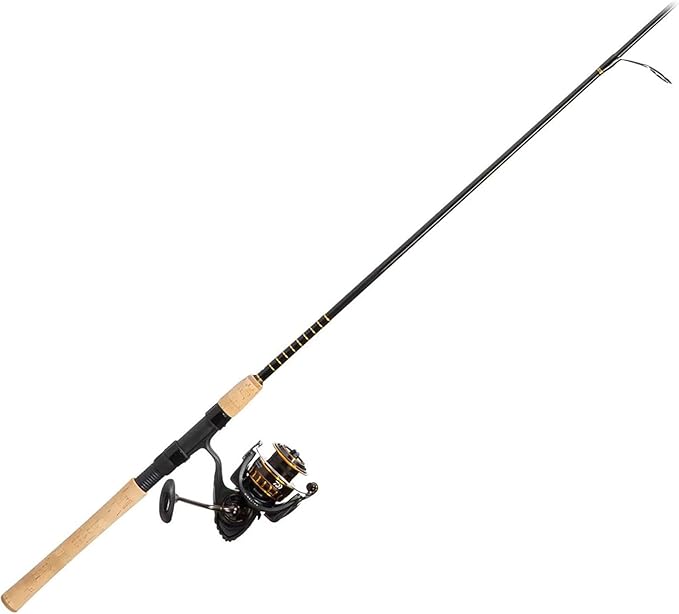
Daiwa BG Spinning Combo
Minimum Age Requirements by State
| Minimum Age | States |
|---|---|
| 10 Years | Arizona |
| 15 Years | Delaware, District of Columbia, Georgia, Hawaii (freshwater only), Mississippi, Nevada, New Jersey, Oklahoma, Rhode Island (freshwater only), South Carolina, Virginia |
| 17 Years | Alabama, California |
| 18 Years | Indiana |
In many of these states, children under the minimum age can fish without a license. For example, Arizona allows youth under 10 to fish for free, while Virginia permits those under 16 to fish without a license. In New Jersey, reduced-rate junior licenses are available starting at age 16. For more detailed information on state-specific regulations, you can visit the New Jersey Division of Fish and Wildlife and Virginia Department of Wildlife Resources.
Understanding License Exemptions
It’s important to note that many states offer exemptions for young anglers. For instance, in California, individuals aged 16 and older must possess a valid sport fishing license when fishing. However, youth under this age can often fish without needing a license if accompanied by an adult who holds one. More details can be found on the California Department of Fish and Wildlife website.
Additionally, states like North Dakota allow residents under 16 years to fish without a license as long as they are accompanied by someone who has one. This policy encourages family fishing outings and promotes outdoor activities among young people. For further information, check out the North Dakota Game and Fish Department.
Importance of Staying Informed
Fishing regulations can change frequently; therefore, it’s essential for anglers to stay updated on their state’s requirements. Many state agencies provide online resources where you can verify current regulations and obtain licenses. For instance, you can find comprehensive fishing license information on the Massachusetts Government website or the Michigan Department of Natural Resources.
Exceptions to Fishing License Rules
When it comes to fishing licenses, various exceptions exist that allow certain individuals to fish without the need for a standard license. Understanding these exceptions can help anglers save money and enjoy fishing legally. Here are some key categories of exemptions:
Age and Residency Exceptions
- Residents aged 65 and older: Many states, including Florida and Delaware, exempt residents over the age of 65 from needing a fishing license. However, they must provide proof of age and residency, such as a driver’s license or state ID. For instance, in Florida, seniors can obtain a no-cost Resident 65+ Hunt/Fish Certificate online or at local tax collectors' offices Florida Fish and Wildlife Conservation Commission .
- Youth under 16 years: Most states do not require a fishing license for individuals under the age of 16. This is beneficial for families looking to introduce children to fishing without the added cost of a license.
Military and Disability Exceptions
- Military personnel on leave: Active-duty military members are often exempt from purchasing a fishing license while on leave. For example, in Virginia, these individuals must present their leave papers when asked Virginia DWR .
- Individuals with disabilities: Many states allow persons with disabilities to fish without a license if they provide appropriate documentation. This includes residents who require assistance due to their disability while fishing.
Specific Situational Exceptions
- Fishing on private property: Anglers fishing in private ponds or lakes may not need a license, provided they have permission from the landowner. This applies across various states, including Wisconsin and Delaware Wisconsin DNR .
- Special fishing days: Some states designate specific days as "license-free" days where anyone can fish without a license. These events are often promoted to encourage new anglers to try fishing.
Purchasing a Fishing License
When ready to buy a recreational fishing license, you will typically need:
- Identification: This includes your driver’s license number, social security number, and birthdate.
- Proof of residency (for resident licenses): Documents such as utility bills or voter IDs may be required.
- Payment options: Licenses can often be purchased online through state agency websites, at local bait shops, or by phone.
For example, Texas Parks & Wildlife provides detailed information on how to obtain licenses through their official site Texas Parks & Wildlife Department .
Displaying Your License
When fishing, you must carry your physical or digital license form on you at all times. Digital licenses can be stored on a smartphone for quick access. Physical licenses should be kept on your person and not back in your vehicle or tackle box.
Most states require you show your license immediately upon request by conservation officers, park rangers, law enforcement, and other wildlife officials. Violators fishing without a license face warnings, fines, or arrest.
Why Do Fishing Licenses Matter?
While paying fees and carrying licenses may seem inconvenient, the collective funds support essential fisheries conservation and management programs. With recreational license sales and excise taxes on fishing tackle, state agencies improve:
- Water quality through runoff controls and enforcing Clean Water Act policies.
- Fish habitat via restoring vegetation, adding structure.
- Access by building boat ramps and shore fishing areas.
- Education through community fishing events and school programs.
These efforts help preserve healthy, sustainable fisheries that allow anglers to enjoy fishing for generations to come. Following license rules is critical, so we can continue reaping these long-term benefits.
In summary, nearly every state requires licenses for recreational fishing, with age requirements starting as young as 9 years to up to 18 years depending on your state of residence. But beyond age limits, ensure you know your state’s specific license rules based on fishing location, residency status, intended catch, gear restrictions, and other regulations. Taking responsibility to follow fishing guidelines supports ongoing conservation - and avoids penalties down the road.