
Understanding Child Fishing License Age Requirements
Fishing license age requirements for children vary by state, so it’s crucial to familiarize yourself with the specific regulations in your area. While some states allow children under a certain age to fish without a license, others require licenses for anglers of all ages. To help you navigate these requirements, we’ve compiled a table summarizing the age regulations for some popular fishing states:
| State | Age Requirement |
|---|---|
| California | Under 16 do not need a license |
| Texas | Under 17 do not need a license |
| Florida | Under 16 do not need a license |
| New York | Under 16 do not need a license |
| Wisconsin | Under 16 do not need a license |
For a complete list of state-specific age requirements, visit the official U.S. Fish and Wildlife Service website.
State Spotlight: California Child Fishing License Regulations
In the Golden State, children under 16 years old can fish without a license. However, they must adhere to all other fishing regulations, such as daily bag limits, size restrictions, and seasonal closures. Once a child turns 16, they must purchase a valid California fishing license to continue fishing legally. To learn more about California’s fishing regulations, visit the California Department of Fish and Wildlife website.
State Spotlight: Texas Child Fishing License Regulations
Texas allows children under 17 to fish without a license, provided they follow all other fishing rules and regulations. Upon turning 17, individuals must obtain a proper Texas fishing license to engage in fishing activities. For the most up-to-date information on Texas fishing regulations, check out the Texas Parks and Wildlife Department website.
The Importance of Purchasing a Child Fishing License
Even if your child is under the age requirement for a fishing license in your state, there are compelling reasons to consider purchasing one:
Supporting Conservation Efforts
Fishing license sales directly contribute to the conservation and management of fish populations and their habitats. By purchasing a license for your child, you’re helping to fund essential projects that ensure sustainable fishing for generations to come. These projects include:
- Fish stocking programs
- Habitat restoration and protection
- Research and monitoring of fish populations
- Angler education and outreach
Fostering Environmental Stewardship
Introducing your child to the licensing process early on helps to instill a sense of responsibility and stewardship towards the environment. It teaches them the importance of following regulations, respecting wildlife, and contributing to the preservation of our natural resources. By involving children in the licensing process, you’re setting a positive example and helping to create a new generation of responsible anglers.
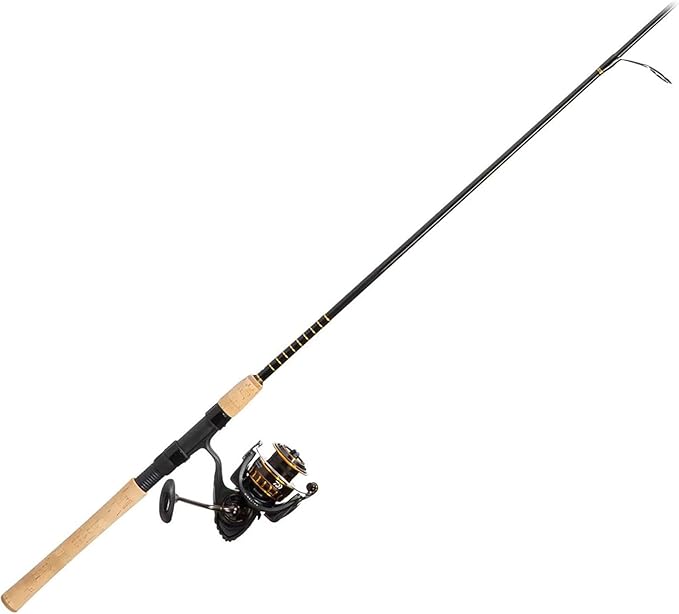
Daiwa BG Spinning Combo
Child Fishing License Application Process and Fees
Obtaining a child fishing license is a straightforward process that can typically be completed online, by phone, or in person at authorized license vendors. Follow these steps to ensure a smooth application process:
- Visit your state's official fish and wildlife website or locate an authorized license vendor in your area.
- Select the appropriate fishing license type for your child based on age, residency, and duration (e.g., annual, short-term).
- Provide the necessary information, such as your child's name, date of birth, and contact details.
- Pay the license fee using a credit card, debit card, or other accepted payment method.
- Once the transaction is complete, you'll receive the fishing license, which your child must carry while fishing.
Fishing license fees vary by state and license type. Some states offer reduced rates for children, while others may provide free licenses for certain age groups. For example:
- In California, an annual resident fishing license for a child aged 16-17 costs $25.66 as of 2024.
- Texas offers a discounted "Youth Fishing Package" for anglers aged 17 and under, which includes a fishing license and endorsements for just $10.
To find the most current information on license fees in your state, visit your state’s official fish and wildlife website or contact an authorized license vendor.
Frequently Asked Questions about Child Fishing
What fishing regulations must children follow?
Children must adhere to the same fishing regulations as adults, including:
- Daily bag limits: The number of fish a person can catch and keep per day.
- Size restrictions: The minimum and/or maximum length of fish that can be kept.
- Seasonal closures: Specific times of the year when fishing for certain species is prohibited.
- Gear restrictions: Limitations on the type of fishing equipment that can be used.
Be sure to familiarize yourself and your child with the specific regulations in your fishing area to avoid any unintentional violations.
Where can I purchase a child fishing license?
You can purchase a child fishing license through various channels, including:
- Online: Visit your state's official fish and wildlife website and follow the prompts to purchase a license.
- Phone: Call your state's fish and wildlife agency or an authorized license vendor to complete the purchase over the phone.
- In-person: Visit an authorized license vendor, such as a sporting goods store, bait and tackle shop, or some convenience stores, to purchase a license in person.
Can children fish without adult supervision?
Age requirements for unsupervised fishing vary by state. In some areas, children under a certain age must be accompanied by a licensed adult angler. For example:
- In California, children under 16 can fish without a license but must be accompanied by a licensed adult if fishing independently.
- Texas allows children under 17 to fish without adult supervision, provided they have the appropriate license (if required) and follow all fishing regulations.
Always check your local regulations before allowing your child to fish independently to ensure compliance with state laws.
Do children need a fishing license to fish on private property?
In most cases, children do not need a fishing license to fish on private property with the owner’s permission. However, some states may have specific requirements or exceptions. For instance:
- In Wisconsin, children under 16 can fish without a license on private property with the owner's consent, but they must still adhere to all other fishing regulations.
- In New York, a fishing license is required for all anglers, regardless of age, when fishing on private property unless the property owner has stocked the pond or lake with fish purchased from a licensed hatchery.
To ensure compliance, always verify your state’s regulations regarding fishing on private property.